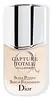
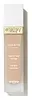
Dior Capture Totale - Super Potent Serum Foundation SPF 20 PA++ Versus Sisley Paris Sisleya Le Teint Foundation

What's inside
What's inside
 Key Ingredients
Benefits
Concerns
Ingredients Side-by-side
Water
Skin ConditioningDimethicone
Emollient

Methyl Trimethicone
Skin Conditioning
Ethylhexyl Salicylate
UV Absorber

Lauryl PEG-9 Polydimethylsiloxyethyl Dimethicone
Skin Conditioning
Phenyl Trimethicone
Skin Conditioning
Synthetic Fluorphlogopite
Glycerin
Humectant

Pentylene Glycol
Skin Conditioning
Silica
Abrasive


Phenylbenzimidazole Sulfonic Acid
UV Absorber
Butylene Glycol
Humectant
Sorbitan Sesquioleate
Emulsifying

Tromethamine
BufferingAcrylates/Dimethicone Copolymer
Skin Conditioning
Aframomum Angustifolium Seed Extract
Skin ConditioningPaeonia Lactiflora Root Extract
Skin ConditioningJasminum Officinale Flower Extract
Masking


Lilium Candidum Bulb Extract
Skin ConditioningMica
Cosmetic ColorantDimethiconol
Emollient
Sodium Myristoyl Glutamate
CleansingGlyceryl Undecyl Dimethicone
Parfum
Masking

Chlorphenesin
Antimicrobial
Caprylyl Glycol
Emollient
Sodium Chloride
MaskingDimethicone/Vinyl Dimethicone Crosspolymer
Skin Conditioning
Polysorbate 80
Emulsifying
Sodium Surfactin
CleansingHydrogen Dimethicone
Aluminum Hydroxide
EmollientAdenosine
Skin Conditioning

Sodium Acetylated Hyaluronate
Humectant
Xylitol
Humectant
Tocopherol
Antioxidant




Palmaria Palmata Extract
Skin Protecting
Sodium Benzoate
Masking
Hydrolyzed Soy Protein
Humectant
Trehalose
Humectant
Potassium Sorbate
Preservative
CI 77163
Cosmetic Colorant
CI 77491
Cosmetic ColorantCI 77492
Cosmetic ColorantCI 77499
Cosmetic ColorantCI 77891
Cosmetic ColorantCI 77947
Water, Dimethicone, Methyl Trimethicone, Ethylhexyl Salicylate, Lauryl PEG-9 Polydimethylsiloxyethyl Dimethicone, Phenyl Trimethicone, Synthetic Fluorphlogopite, Glycerin, Pentylene Glycol, Silica, Phenylbenzimidazole Sulfonic Acid, Butylene Glycol, Sorbitan Sesquioleate, Tromethamine, Acrylates/Dimethicone Copolymer, Aframomum Angustifolium Seed Extract, Paeonia Lactiflora Root Extract, Jasminum Officinale Flower Extract, Lilium Candidum Bulb Extract, Mica, Dimethiconol, Sodium Myristoyl Glutamate, Glyceryl Undecyl Dimethicone, Parfum, Chlorphenesin, Caprylyl Glycol, Sodium Chloride, Dimethicone/Vinyl Dimethicone Crosspolymer, Polysorbate 80, Sodium Surfactin, Hydrogen Dimethicone, Aluminum Hydroxide, Adenosine, Sodium Acetylated Hyaluronate, Xylitol, Tocopherol, Palmaria Palmata Extract, Sodium Benzoate, Hydrolyzed Soy Protein, Trehalose, Potassium Sorbate, CI 77163, CI 77491, CI 77492, CI 77499, CI 77891, CI 77947
Water
Skin ConditioningDicaprylyl Carbonate
EmollientC9-12 Alkane
SolventGlycerin
Humectant
Isododecane
EmollientCaprylyl Methicone
Skin Conditioning
Butylene Glycol
Humectant
Isodecyl Neopentanoate
EmollientDimethicone/Vinyl Dimethicone Crosspolymer
Skin Conditioning
Dimethicone
Emollient
Boron Nitride
Absorbent
Pentylene Glycol
Skin Conditioning
Polyglyceryl-4 Isostearate
Emulsifying
Cetyl PEG/PPG-10/1 Dimethicone
Emulsifying
Hexyl Laurate
Emollient
Hydrogenated Polydicyclopentadiene
Sodium Chloride
MaskingSaccharide Isomerate
Humectant
Panthenol
Skin Conditioning
Tocopheryl Acetate
Antioxidant
Hydrolyzed Soy Protein
Humectant
Adenosine
Skin Conditioning
Prunus Serrulata Flower Extract
Skin ConditioningSalix Alba Leaf Extract
Skin ConditioningAlgae Extract
Emollient
Albizia Julibrissin Bark Extract
MaskingVitis Vinifera Leaf Extract
Skin ConditioningPolysilicone-11
Synthetic Fluorphlogopite
Stearalkonium Hectorite
Gel FormingHydrogenated Lecithin
Emulsifying
Dimethiconol
Emollient
Propylene Carbonate
SolventSilica
Abrasive
Isoceteth-10
EmulsifyingCitric Acid
Buffering
Sodium Citrate
BufferingEthylhexylglycerin
Skin ConditioningParfum
Masking
Sorbic Acid
Preservative
Phenoxyethanol
Preservative
Sodium Benzoate
Masking
Potassium Sorbate
Preservative
CI 77891
Cosmetic ColorantIron Oxides
Mica
Cosmetic ColorantWater, Dicaprylyl Carbonate, C9-12 Alkane, Glycerin, Isododecane, Caprylyl Methicone, Butylene Glycol, Isodecyl Neopentanoate, Dimethicone/Vinyl Dimethicone Crosspolymer, Dimethicone, Boron Nitride, Pentylene Glycol, Polyglyceryl-4 Isostearate, Cetyl PEG/PPG-10/1 Dimethicone, Hexyl Laurate, Hydrogenated Polydicyclopentadiene, Sodium Chloride, Saccharide Isomerate, Panthenol, Tocopheryl Acetate, Hydrolyzed Soy Protein, Adenosine, Prunus Serrulata Flower Extract, Salix Alba Leaf Extract, Algae Extract, Albizia Julibrissin Bark Extract, Vitis Vinifera Leaf Extract, Polysilicone-11, Synthetic Fluorphlogopite, Stearalkonium Hectorite, Hydrogenated Lecithin, Dimethiconol, Propylene Carbonate, Silica, Isoceteth-10, Citric Acid, Sodium Citrate, Ethylhexylglycerin, Parfum, Sorbic Acid, Phenoxyethanol, Sodium Benzoate, Potassium Sorbate, CI 77891, Iron Oxides, Mica
Ingredients Explained
These ingredients are found in both products.
Ingredients higher up in an ingredient list are typically present in a larger amount.
Adenosine is a purine nucleoside that your body already makes in every cell. In skincare, it acts mainly as a skin conditioning and anti-aging agent.
The way it works is fairly well mapped out:
Your skin has cells called fibroblasts that build collagen (the stuff that keeps skin firm and smooth). Adenosine basically flips a switch on these cells that tells them to get to work making more collagen and other proteins. These cells slow down on their own as skin ages, so Adenosine helps give them a little nudge to keep going.
The clinical backing is pretty solid too.
A blind, randomized, placebo-controlled trial of 126 women aged 45-65 tested a 0.1% cream twice daily and found real improvements in crow's feet and frown lines using a precise 3D skin-mapping technique; these changes showed up by week 3 and held at 2 months.
A later study using Adenosine-loaded dissolving microneedle patches reported gains in wrinkle depth, dermal density, elasticity, and hydration.
On concentrations, South Korea's Ministry of Food and Drug Safety has set 0.04% as the approved functional anti-wrinkle level. You'll typically see this ingredient used somewhere in the 0.04-0.1% range since it works at low doses.
This ingredient has been found safe for cosmetics with the data showing no irritation or sensitization.
Overall, this is a great ingredient for any anti-aging routine and has no photosensitizing effect, so it suits both AM and PM use.
Learn more about AdenosineButylene Glycol (or BG) is used within cosmetic products for a few different reasons:
Overall, Butylene Glycol is a safe and well-rounded ingredient that works well with other ingredients.
Though this ingredient works well with most skin types, some people with sensitive skin may experience a reaction such as allergic rashes, closed comedones, or itchiness.
Learn more about Butylene GlycolCi 77891 is a white pigment from Titanium dioxide. It is naturally found in minerals such as rutile and ilmenite.
It's main function is to add a white color to cosmetics. It can also be mixed with other colors to create different shades.
Ci 77891 is commonly found in sunscreens due to its ability to block UV rays.
Learn more about CI 77891Dimethicone is a type of synthetic silicone created from natural materials such as quartz. It is also known as polydimethylsiloxane.
What it does:
Dimethicone comes in different viscosities:
Depending on the viscosity, dimethicone has different properties.
Ingredients lists don't always show which type is used, so we recommend reaching out to the brand if you have questions about the viscosity.
This ingredient is unlikely to cause irritation because it does not get absorbed into skin. However, people with silicone allergies should be careful about using this ingredient.
Note: Dimethicone may contribute to pilling. This is because it is not oil or water soluble, so pilling may occur when layered with products. When mixed with heavy oils in a formula, the outcome is also quite greasy.
Learn more about DimethiconeThis ingredient is a silicone elastomer that works as a texture enhancer, adds a silky slip, and also helps absorb excess oil.
Because it's a large macromolecule that's insoluble in water and chemically inert, it's not expected to penetrate or be absorbed into skin.
Human patch tests with a facial lotion containing 1% of this ingredient found no sensitization.
Learn more about Dimethicone/Vinyl Dimethicone CrosspolymerDimethiconol is a silicone that resembles the popular dimethicone. Like other silicones, it is an emollient. Emollients create a thin film on skin to prevent moisture from escaping.
This ingredient helps to create a silky texture and improve spreadability. Due to its high molecular weight and thickness, it is often combined with cyclopentasiloxane.
Glycerin (or glycerol) is a compound naturally found in your skin. It's a powerhouse humectant that pulls water into the stratum corneum.
Topically, glycerin does several things at once:
Your skin makes glycerin on its own (mostly from sebaceous oil breakdown) and shuttles it to your outermost layer of skin, or your epidermis, via aquaporin-3.
Aquaporin-3 is a transporter that is essential for normal skin hydration, elasticity, and repair. Interestingly, mice lacking in AQP3 have dry and less elastic skin that can be fully corrected with glycerin.
This ingredient is non-irritating, plays well with almost every ingredient, and works across all skin types. Typical use is anywhere between 3-10% but can go up to 79% in some leave-on products.
Just know very high concentrations (>40%) can feel tacky in low humidity.
Glycerin is the name for this ingredient in American English. British English uses Glycerol/Glycerine.
Learn more about GlycerinHydrolyzed Soy Protein is a water-soluble blend of peptides and amino acids made by breaking down the protein from soybeans into smaller proteins.
It's the most widely used hydrolyzed vegetable protein in cosmetics and it acts mainly as a skin and hair conditioning agent.
The smaller fragments are water-loving so it forms a thin, moisture-retentive film on skin that helps reduce water loss and leaves things feeling softer and smoother.
You'll often see it credited with "firming" or "anti-aging" benefits as well; this claim traces back to lab research like Tokudome et al. (2012). This study added low-molecular-weight soybean peptides to cultured human skin fibroblasts and saw increased type I collagen gene expression + collagen content.
The caveat is that this is in-vitro and oral-peptide research so the only solid, well-established role for the topical ingredient is skin conditioning.
Typical use concentrations go up to 3.5% in mascara but this ingredient is typically used at low levels well under 1%.
It has a reassuring safety profile as well; it's not a skin irritant in testing up to 20% and has limited skin penetration due to its large size and water-loving nature.
Anyone with a known soy allergy should definitely patch test or skip this ingredient. There's also a single case of a soy-containing product aggravating rosacea via protein contact dermatitis, but this is very rare.
Learn more about Hydrolyzed Soy ProteinMica is a naturally occurring mineral used to add shimmer and color in cosmetics. It can also help improve the texture of a product or give it an opaque, white/silver color.
Serecite is the name for very fine but ragged grains of mica.
This ingredient is often coated with metal oxides like titanium dioxide. Trace amounts of heavy metals may be found in mica, but these metals are not harmful in our personal products.
Mica has been used since prehistoric times throughout the world. Ancient Egyptian, Indian, Greek, Roman, Aztec, and Chinese civilizations have used mica.
Learn more about MicaParfum is a catch-all term for an ingredient or more that is used to give a scent to products.
Also called "fragrance", this ingredient can be a blend of hundreds of chemicals or plant oils. This means every product with "fragrance" or "parfum" in the ingredients list is a different mixture.
For instance, Habanolide is a proprietary trade name for a specific aroma chemical. When used as a fragrance ingredient in cosmetics, most aroma chemicals fall under the broad labeling category of “FRAGRANCE” or “PARFUM” according to EU and US regulations.
The term 'parfum' or 'fragrance' is not regulated in many countries. In many cases, it is up to the brand to define this term.
For instance, many brands choose to label themselves as "fragrance-free" because they are not using synthetic fragrances. However, their products may still contain ingredients such as essential oils that are considered a fragrance by INCI standards.
One example is Calendula flower extract. Calendula is an essential oil that still imparts a scent or 'fragrance'.
Depending on the blend, the ingredients in the mixture can cause allergies and sensitivities on the skin. Some ingredients that are known EU allergens include linalool and citronellol.
Parfum can also be used to mask or cover an unpleasant scent.
The bottom line is: not all fragrances/parfum/ingredients are created equally. If you are worried about fragrances, we recommend taking a closer look at an ingredient. And of course, we always recommend speaking with a professional.
Learn more about ParfumPentylene Glycol (1,2-pentanediol) is a multitasking little diol with three main roles in a formula:
Research on alkanediols (the family pentylene glycol belongs to) show they work by disrupting microbial cell membranes. This disruption helps the primary preservative system in a product work more effectively at lower doses.
On the safety side, the Cosmetic Ingredient Review Expert Panel has concluded this ingredient to be safe as used in current cosmetic practices + concentrations.
Typical use levels in a formula run about 1-5%.
Learn more about Pentylene GlycolPotassium Sorbate is a preservative used to prevent yeast and mold in products. It is commonly found in both cosmetic and food products.
This ingredient comes from potassium salt derived from sorbic acid. Sorbic acid is a natural antibiotic and effective against fungus.
Both potassium sorbate and sorbic acid can be found in baked goods, cheeses, dried meats, dried fruit, ice cream, pickles, wine, yogurt, and more.
You'll often find this ingredient used with other preservatives.
Learn more about Potassium SorbateSilica, also known as silicon dioxide, is a naturally occurring mineral. It is used as a fine, spherical, and porous powder in cosmetics.
Though it has exfoliant properties, the function of silica varies depending on the product.
The unique structure of silica enhances the spreadability and adds smoothness, making it a great texture enhancer.
It is also used as an active carrier, emulsifier, and mattifier due to its ability to absorb excess oil.
In some products, tiny microneedles called spicules are made from silica or hydrolyzed sponge. When you rub them in, they lightly polish away dead skin layers and enhance the penetration of active ingredients.
Learn more about SilicaSodium Benzoate is a preservative. It's used in both cosmetic and food products to inhibit the growth of mold and bacteria. It is typically produced synthetically.
Both the US FDA and EU Health Committee have approved the use of sodium benzoate. In the US, levels of 0.1% (of the total product) are allowed.
Sodium benzoate works as a preservative by inhibiting the growth of bacteria inside of cells. It prevents the cell from fermenting a type of sugar using an enzyme called phosphofructokinase.
It is the salt of benzoic acid. Foods containing sodium benzoate include soda, salad dressings, condiments, fruit juices, wines, and snack foods.
Studies for using ascorbic acid and sodium benzoate in cosmetics are lacking, especially in skincare routines with multiple steps.
We always recommend speaking with a professional, such as a dermatologist, if you have any concerns.
Learn more about Sodium BenzoateChances are, you eat sodium chloride every day. Sodium Chloride is also known as table salt. This ingredient has many purposes in skincare: thickener, emulsifier, and exfoliator.
You'll most likely find this ingredient in cleansers where it is used to create a gel-like texture. As an emulsifier, it also prevents ingredients from separating.
You might see people debate whether Sodium Chloride is comedogenic, but there actually haven't been any comedogenic tests done on it. Either way, the overall formulation of a product matters a lot more than any single ingredient.
You might see this ingredient used in scrubs as a primary exfoliating ingredient.
Learn more about Sodium ChlorideSynthetic Fluorphlogopite is the synthethic version of mica. It consists of fluorine, aluminum and silicate.
Synthetic Fluorphlogopite is used to add volume to products.
It is considered non-irritating on the skin.
Learn more about Synthetic FluorphlogopiteWater. It's the most common cosmetic ingredient of all. You'll usually see it at the top of ingredient lists, meaning that it makes up the largest part of the product.
So why is it so popular? Water most often acts as a solvent - this means that it helps dissolve other ingredients into the formulation.
You'll also recognize water as that liquid we all need to stay alive. If you see this, drink a glass of water. Remember to stay hydrated!
Learn more about Water

