

What's inside
What's inside
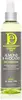 Key Ingredients
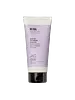
No key ingredients
Benefits
Concerns
Ingredients Side-by-side
Water
Skin ConditioningGlycerin
Humectant


Propylene Glycol
Humectant

PEG-12 Dimethicone
Skin Conditioning
Acetamide Mea
Foam BoostingPolysorbate 20
Emulsifying
Parfum
Masking


Cetrimonium Chloride
Antimicrobial
Panthenol
Skin Conditioning

Calendula Officinalis Flower Extract
Masking
Hydrastis Canadensis Leaf Extract
Lawsonia Inermis Extract
Antimicrobial
Equisetum Hyemale Extract
Skin ConditioningChamomilla Recutita Flower Extract
Masking
Saponaria Officinalis Root Extract
Skin ConditioningPrunus Serotina Bark Extract
MaskingHumulus Lupulus Extract
AntimicrobialPotassium Sorbate
Preservative
Sodium Benzoate
Masking
Cocos Nucifera Oil
Masking



Gardenia Taitensis Flower Extract
Skin ConditioningPersea Gratissima Oil
Skin Conditioning
Prunus Amygdalus Dulcis Oil
Skin Conditioning
Hydrolyzed Milk Protein
Skin ConditioningPhenoxyethanol
Preservative
Benzoic Acid
Masking
Ethylhexylglycerin
Skin ConditioningGlycereth-2 Cocoate
Emulsifying
Benzyl Benzoate
Antimicrobial
Linalool
Perfuming
Water, Glycerin, Propylene Glycol, PEG-12 Dimethicone, Acetamide Mea, Polysorbate 20, Parfum, Cetrimonium Chloride, Panthenol, Calendula Officinalis Flower Extract, Hydrastis Canadensis Leaf Extract, Lawsonia Inermis Extract, Equisetum Hyemale Extract, Chamomilla Recutita Flower Extract, Saponaria Officinalis Root Extract, Prunus Serotina Bark Extract, Humulus Lupulus Extract, Potassium Sorbate, Sodium Benzoate, Cocos Nucifera Oil, Gardenia Taitensis Flower Extract, Persea Gratissima Oil, Prunus Amygdalus Dulcis Oil, Hydrolyzed Milk Protein, Phenoxyethanol, Benzoic Acid, Ethylhexylglycerin, Glycereth-2 Cocoate, Benzyl Benzoate, Linalool
Water
Skin ConditioningHydroxypropyl Starch Phosphate
Stearyl Alcohol
Emollient
Cetyl Alcohol
Emollient
Glycerin
Humectant
Stearalkonium Chloride
Preservative
Cetearyl Alcohol
Emollient
Corn Starch Modified
AbsorbentPhenoxyethanol
Preservative
Magnesium Sulfate
Ceteareth-20
Cleansing
Polyquaternium-55
Polyquaternium-10
Alcohol
Antimicrobial
Cetrimonium Chloride
Antimicrobial
Panthenol
Skin Conditioning
Parfum
Masking
Sodium PCA
Humectant
Ethylhexylglycerin
Skin ConditioningLimonene
Perfuming
Tetrasodium EDTA
ChelatingPvp
Emulsion StabilisingBenzyl Benzoate
Antimicrobial
Hydrolyzed Pea Protein
EmollientHydrolyzed Vegetable Protein
Skin ConditioningCaprylyl Glycol
Emollient
Tris(Tetramethylhydroxypiperidinol)Citrate
StabilisingCoumarin
Perfuming
Lactobacillus/Tomato Fruit Ferment Extract
Skin ConditioningOryza Sativa Extract
Absorbent

Keratin Amino Acids
Skin ConditioningMelissa Officinalis Leaf Extract
Skin ConditioningCalendula Officinalis Flower Extract
Masking
Chamomilla Recutita Flower Extract
Masking
Prunus Serotina Bark Extract
MaskingHumulus Lupulus Extract
AntimicrobialCymbopogon Schoenanthus Extract
Skin ConditioningUrtica Dioica Extract
AstringentRosmarinus Officinalis Leaf Extract
AntimicrobialSalvia Officinalis Leaf Extract
CleansingAchillea Millefolium Extract
CleansingSodium Benzoate
Masking
Potassium Sorbate
Preservative
Leuconostoc/Radish Root Ferment Filtrate
Antimicrobial
Acyl Coenzyme A Desaturase
Skin ConditioningChlorphenesin
Antimicrobial
Benzoic Acid
Masking
Sorbic Acid
Preservative
Water, Hydroxypropyl Starch Phosphate, Stearyl Alcohol, Cetyl Alcohol, Glycerin, Stearalkonium Chloride, Cetearyl Alcohol, Corn Starch Modified, Phenoxyethanol, Magnesium Sulfate, Ceteareth-20, Polyquaternium-55, Polyquaternium-10, Alcohol, Cetrimonium Chloride, Panthenol, Parfum, Sodium PCA, Ethylhexylglycerin, Limonene, Tetrasodium EDTA, Pvp, Benzyl Benzoate, Hydrolyzed Pea Protein, Hydrolyzed Vegetable Protein, Caprylyl Glycol, Tris(Tetramethylhydroxypiperidinol)Citrate, Coumarin, Lactobacillus/Tomato Fruit Ferment Extract, Oryza Sativa Extract, Keratin Amino Acids, Melissa Officinalis Leaf Extract, Calendula Officinalis Flower Extract, Chamomilla Recutita Flower Extract, Prunus Serotina Bark Extract, Humulus Lupulus Extract, Cymbopogon Schoenanthus Extract, Urtica Dioica Extract, Rosmarinus Officinalis Leaf Extract, Salvia Officinalis Leaf Extract, Achillea Millefolium Extract, Sodium Benzoate, Potassium Sorbate, Leuconostoc/Radish Root Ferment Filtrate, Acyl Coenzyme A Desaturase, Chlorphenesin, Benzoic Acid, Sorbic Acid
Ingredients Explained
These ingredients are found in both products.
Ingredients higher up in an ingredient list are typically present in a larger amount.
Benzoic Acid is an organic acid that shows up in cosmetics as a preservative. It helps keep a product from spoiling by holding back the growth of yeast, mold, and some bacteria.
This ingredient also functions as a fragrance ingredient that helps mask the unpleasant scent of other ingredients.
The way it works is worth understanding; benzoic acid works when the formula is acidic. It is able to sneak into a microbe's cell and mess up how it functions to stop it from growing in an acidic product.
However, the acid switches to an inactive form and stops working if a product isn't acidic enough (above ~5 pH). This is why you'll often see it in low pH products or teamed up with other preservatives to cover the gap.
Safety wise, it's one of the better studied preservatives out there.
The Cosmetic Ingredient Review Expert Panel has concluded this ingredient to be safe for use in cosmetic formulations at concentrations up to 5%.
A large international review found this ingredient had no effects on the human body and had low irritation potential.
Just so you know, real world use is usually much lower than the 5% ceiling (usually 1% of less).
The EU caps it at 2.5% in rinse-off products, 1.7% in oral care, and 0.5% in leave-on products.
One thing worth mentioning (it's nothing to worry about): some people get a little stinging or flushing where they apply it. This isn't a true allergy; it's a temporary and harmless reaction. This is the same kind of mild tingle you might notice from sorbic acid.
Learn more about Benzoic AcidBenzyl Benzoate is usually created from the condensation of benzoic acid and benzyl alcohol. It is used as a preservative, solvent, and has a floral/balsamic scent in large amounts.
As a preservative, Benzyl Benzoate works against bacteria and fungus. It is often used to treat scabies and lice in medicine.
Solvents are used to keep ingredients together in a product. They can help dissolve ingredients to stable bases or help evenly distribute ingredients throughout the product.
Due to its fragrance, Benzyl Benzoate can be sensitizing and may cause contact dermatitis. It is a known EU allergen. We recommend speaking with a professional if you have any concerns.
Benzyl Benzoate can be naturally found in cranberries and peaches.
Learn more about Benzyl BenzoateCalendula Officinalis Flower Extract comes from the marigold flower and has been used on skin for centuries for its calming effect.
In the lab, its active compounds appear to calm inflammation and support the early "healing" phase of minor wounds.
This is why Europe's medicines regulator has approved calendula extracts as a traditional remedy for minor skin inflammation and healing small wounds.
The stronger human evidence is around would/ulcer care rather than everyday cosmetic claims; a review that pulled together 14 studies found that calendula helped calm the early, inflamed stage of a wound and helped new skin tissue form faster.
Two studies also showed it shrank leg ulcers (the kind caused by poor circulation). Results were mixed for burns and for the skin irritation people get from radiation treatment, so it's not a sure thing there.
In cosmetics, it's mostly a skin conditioning and soothing agent.
The Cosmetic Ingredient Review panel concluded that calendula-derived ingredients are safe as used and that the ingredients are not irritating, sensitizing, or photosensitizing in clinical tests (though they may be mild eye irritants).
Typical use levels are quite low; industry data reported it used at under 0.5% (one supplier noted a 10-25% extract blend used at 1-10% in the finished product). Historical use goes up to 10%.
The only thing to keep in mind is if you have daisy/ragweed allergies. Calendula is in the same family and one patch-test study found 2% of dermatitis patients reacted to marigold. Be sure to patch test if you have sensitive or allergy-prone skin.
Learn more about Calendula Officinalis Flower ExtractThis ingredient is a preservative, antimicrobial, and emulsifier. It is often used in cosmetics for its ability to cleanse, condition, and reduce static.
Cetrimonium chloride is a quaternary ammonium salt, meaning it has a water-soluble structure.
Chamomilla Recutita Flower Extract comes from the Chamomile flower.
Chamomile is rich in antioxidants and has anti-inflammatory properties. Several compounds found in chamomile help with soothing, such as bisbolol.
Antioxidant components in chamomile make it an effective ingredient to help slow the signs of aging. Antioxidants help fight free-radical molecules, or molecules that may damage your skin.
Essential oils from chamomile have been found to improve wound healing due to its antimicrobial properties.
Ancient Greeks and Egyptians used Chamomile to treat skin redness and dryness. Chamomile has also been used to help treat stomach issues.
Learn more about Chamomilla Recutita Flower ExtractEthylhexylglycerin is created from glycerin. It is a multitasker ingredient that:
The CIR Expert Panel found minimal skin absorption or sensitization of any kind in a safety assessment. Though this ingredient is considered well-tolerated, a small number of cases of allergic dermatitis have been published since 2002. Just be sure to patch test if you are unsure.
Industry-reported use ranges from 8% in rinse-off products and 2% in leave-on formulations.
Learn more about EthylhexylglycerinGlycerin (or glycerol) is a compound naturally found in your skin. It's a powerhouse humectant that pulls water into the stratum corneum.
Topically, glycerin does several things at once:
Your skin makes glycerin on its own (mostly from sebaceous oil breakdown) and shuttles it to your outermost layer of skin, or your epidermis, via aquaporin-3.
Aquaporin-3 is a transporter that is essential for normal skin hydration, elasticity, and repair. Interestingly, mice lacking in AQP3 have dry and less elastic skin that can be fully corrected with glycerin.
This ingredient is non-irritating, plays well with almost every ingredient, and works across all skin types. Typical use is anywhere between 3-10% but can go up to 79% in some leave-on products.
Just know very high concentrations (>40%) can feel tacky in low humidity.
Glycerin is the name for this ingredient in American English. British English uses Glycerol/Glycerine.
Learn more about GlycerinWe don't have a description for Humulus Lupulus Extract yet.
Panthenol is a common ingredient that helps hydrate and soothe the skin. It is found naturally in our skin and hair.
There are two forms of panthenol: D and L.
D-panthenol is also known as dexpanthenol. Most cosmetics use dexpanthenol or a mixture of D and L-panthenol.
Panthenol is famous due to its ability to go deeper into the skin's layers. Using this ingredient has numerous pros (and no cons):
Like hyaluronic acid, panthenol is a humectant. Humectants are able to bind and hold large amounts of water to keep skin hydrated.
This ingredient works well for wound healing. It works by increasing tissue in the wound and helps close open wounds.
Once oxidized, panthenol converts to pantothenic acid. Panthothenic acid is found in all living cells.
This ingredient is also referred to as pro-vitamin B5.
Learn more about PanthenolParfum is a catch-all term for an ingredient or more that is used to give a scent to products.
Also called "fragrance", this ingredient can be a blend of hundreds of chemicals or plant oils. This means every product with "fragrance" or "parfum" in the ingredients list is a different mixture.
For instance, Habanolide is a proprietary trade name for a specific aroma chemical. When used as a fragrance ingredient in cosmetics, most aroma chemicals fall under the broad labeling category of “FRAGRANCE” or “PARFUM” according to EU and US regulations.
The term 'parfum' or 'fragrance' is not regulated in many countries. In many cases, it is up to the brand to define this term.
For instance, many brands choose to label themselves as "fragrance-free" because they are not using synthetic fragrances. However, their products may still contain ingredients such as essential oils that are considered a fragrance by INCI standards.
One example is Calendula flower extract. Calendula is an essential oil that still imparts a scent or 'fragrance'.
Depending on the blend, the ingredients in the mixture can cause allergies and sensitivities on the skin. Some ingredients that are known EU allergens include linalool and citronellol.
Parfum can also be used to mask or cover an unpleasant scent.
The bottom line is: not all fragrances/parfum/ingredients are created equally. If you are worried about fragrances, we recommend taking a closer look at an ingredient. And of course, we always recommend speaking with a professional.
Learn more about ParfumPhenoxyethanol is one of the most widely used preservatives in skincare (and for good reason!).
It has a large spectrum of antimicrobial activity and especially effective bacteria, yeast, and mold while only having a weak effect on your skin's natural microbiome.
On a cellular level, it disrupts the cell membranes of microbes by poking holes that make the cell leak. This shuts down the chemical reactions the microbe needs to make energy so it can no longer survive.
Another perk of this ingredient is that it stays functional across a wide pH range (3-10).
You'll often see it paired with boosters like Ethylhexylglycerin; one study showed that a 1:9 ratio of Ethylhexylglycerin to Phenoxyethanol damages bacterial membranes as effectively as doubling the Phenoxyethanol concentration on its own.
Typical use concentrations range from 0.3-1% depending on the formula, and this ingredient is capped at 1% int the EU.
Safety-wise, the fear mongering does not hold up to the evidence. The EU's Scientific Committee on Consumer Safety and FDA consider it safe as a preservative at up to 1%, including for children of all ages.
Adverse systemic effects only showed up in animal studies at exposures roughly 200x higher than what people get from cosmetics. And despite its very widespread use, this ingredient is a rare sensitizer and allergic reactions are uncommon.
Learn more about PhenoxyethanolPotassium Sorbate is a preservative used to prevent yeast and mold in products. It is commonly found in both cosmetic and food products.
This ingredient comes from potassium salt derived from sorbic acid. Sorbic acid is a natural antibiotic and effective against fungus.
Both potassium sorbate and sorbic acid can be found in baked goods, cheeses, dried meats, dried fruit, ice cream, pickles, wine, yogurt, and more.
You'll often find this ingredient used with other preservatives.
Learn more about Potassium SorbateWe don't have a description for Prunus Serotina Bark Extract yet.
Sodium Benzoate is a preservative. It's used in both cosmetic and food products to inhibit the growth of mold and bacteria. It is typically produced synthetically.
Both the US FDA and EU Health Committee have approved the use of sodium benzoate. In the US, levels of 0.1% (of the total product) are allowed.
Sodium benzoate works as a preservative by inhibiting the growth of bacteria inside of cells. It prevents the cell from fermenting a type of sugar using an enzyme called phosphofructokinase.
It is the salt of benzoic acid. Foods containing sodium benzoate include soda, salad dressings, condiments, fruit juices, wines, and snack foods.
Studies for using ascorbic acid and sodium benzoate in cosmetics are lacking, especially in skincare routines with multiple steps.
We always recommend speaking with a professional, such as a dermatologist, if you have any concerns.
Learn more about Sodium BenzoateWater. It's the most common cosmetic ingredient of all. You'll usually see it at the top of ingredient lists, meaning that it makes up the largest part of the product.
So why is it so popular? Water most often acts as a solvent - this means that it helps dissolve other ingredients into the formulation.
You'll also recognize water as that liquid we all need to stay alive. If you see this, drink a glass of water. Remember to stay hydrated!
Learn more about Water

