Dear Me Beauty Skin Barrier Sunscreen Gel SPF50+ PA++++ Versus Isntree Hyaluronic Acid Perfect Sun Block SPF 50 PA++++
This mineral sunscreen covers the full UV range and blocks ~98% of UVB at SPF 50.
This mineral sunscreen covers the full UV range and blocks ~98% of UVB at SPF 50.


What's inside
What's inside
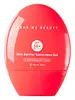 Key Ingredients
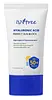
Benefits
Concerns
Ingredients Side-by-side
Water
Skin ConditioningZinc Oxide
Cosmetic Colorant


Titanium Dioxide
Cosmetic Colorant
Glycerin
Humectant


Hydroxyethyl Acrylate/Sodium Acryloyldimethyl Taurate Copolymer
Emulsion StabilisingAloe Ferox Leaf Juice Extract
Skin ConditioningAcrylates/Polytrimethylsiloxymethacrylate Copolymer
Skin ConditioningPolyquaternium-7
Propanediol
Solvent
Isohexadecane
EmollientSodium Hyaluronate
Humectant


Ceramide NP
Skin Conditioning

Chlorphenesin
Antimicrobial
Polysorbate 60
Emulsifying

Acrylates Crosspolymer
AbsorbentPhenoxyethanol
Preservative
Allantoin
Skin Conditioning
Panthenol
Skin Conditioning
Laureth-1 Phosphate
SurfactantEctoin
Skin Conditioning
Potassium Hydroxide
BufferingWater, Zinc Oxide, Titanium Dioxide, Glycerin, Hydroxyethyl Acrylate/Sodium Acryloyldimethyl Taurate Copolymer, Aloe Ferox Leaf Juice Extract, Acrylates/Polytrimethylsiloxymethacrylate Copolymer, Polyquaternium-7, Propanediol, Isohexadecane, Sodium Hyaluronate, Ceramide NP, Chlorphenesin, Polysorbate 60, Acrylates Crosspolymer, Phenoxyethanol, Allantoin, Panthenol, Laureth-1 Phosphate, Ectoin, Potassium Hydroxide
Water
Skin ConditioningC12-15 Alkyl Benzoate
AntimicrobialTitanium Dioxide
Cosmetic Colorant
Propanediol
Solvent
Butylene Glycol
Humectant
Acrylates Copolymer
Niacinamide
Smoothing





Cetyl Ethylhexanoate
Emollient1,2-Hexanediol
Skin Conditioning
Aluminum Stearate
Cosmetic ColorantPolyhydroxystearic Acid
Emulsifying
Pentylene Glycol
Skin Conditioning
Polymethylsilsesquioxane

Caprylic/Capric Triglyceride
Masking
Pinus Pinaster Bark Extract
Antioxidant
Ceramide NP
Skin Conditioning
Olea Europaea Fruit Oil
Masking



Ficus Carica Fruit Extract
Humectant
Centella Asiatica Extract
Cleansing
Lactobacillus Ferment Lysate
Skin Conditioning
Sodium Hyaluronate
Humectant
Silica
Abrasive
Alumina
Abrasive
Glycerin
Humectant
Hydrogenated Lecithin
Emulsifying
Stearic Acid
Cleansing
Hydroxypropyl Methylcellulose Stearoxy Ether
Sodium Stearoyl Glutamate
CleansingPolyacrylate Crosspolymer-6
Emulsion StabilisingTocopherol
Antioxidant
Astaxanthin
Skin Conditioning
Hyaluronic Acid
Humectant
Sodium Hyaluronate Crosspolymer
Humectant
Hydrolyzed Hyaluronic Acid
Humectant
Ascorbyl Propyl Hyaluronate
Skin Conditioning
Hydroxypropyltrimonium Hyaluronate
Adenosine
Skin Conditioning
Ammonium Acryloyldimethyltaurate/Vp Copolymer
Hydrolyzed Sodium Hyaluronate
Skin Conditioning
Sodium Acetylated Hyaluronate
Humectant
Xanthan Gum
EmulsifyingT-Butyl Alcohol
Perfuming


Ethylhexylglycerin
Skin ConditioningWater, C12-15 Alkyl Benzoate, Titanium Dioxide, Propanediol, Butylene Glycol, Acrylates Copolymer, Niacinamide, Cetyl Ethylhexanoate, 1,2-Hexanediol, Aluminum Stearate, Polyhydroxystearic Acid, Pentylene Glycol, Polymethylsilsesquioxane, Caprylic/Capric Triglyceride, Pinus Pinaster Bark Extract, Ceramide NP, Olea Europaea Fruit Oil, Ficus Carica Fruit Extract, Centella Asiatica Extract, Lactobacillus Ferment Lysate, Sodium Hyaluronate, Silica, Alumina, Glycerin, Hydrogenated Lecithin, Stearic Acid, Hydroxypropyl Methylcellulose Stearoxy Ether, Sodium Stearoyl Glutamate, Polyacrylate Crosspolymer-6, Tocopherol, Astaxanthin, Hyaluronic Acid, Sodium Hyaluronate Crosspolymer, Hydrolyzed Hyaluronic Acid, Ascorbyl Propyl Hyaluronate, Hydroxypropyltrimonium Hyaluronate, Adenosine, Ammonium Acryloyldimethyltaurate/Vp Copolymer, Hydrolyzed Sodium Hyaluronate, Sodium Acetylated Hyaluronate, Xanthan Gum, T-Butyl Alcohol, Ethylhexylglycerin
Reviews
Ingredients Explained
These ingredients are found in both products.
Ingredients higher up in an ingredient list are typically present in a larger amount.
Ceramide NP (formerly known as Ceramide 3) is one of the skin's naturally occurring lipids.
Since ceramides are the major lipid components of the skin, they are crucial for maintaining skin barrier and hydration. Ceramide NP most closely mirrors the dominant kind in human skin amongst ceramide subtypes.
This ceramide works by slotting into gaps within the stratum corneum's lipid matrix to limit trans-epidermal water loss (TEWL) and shield the skin against external irritants.
A study with 312 patients found that using a ceramide-containing routine for 4 weeks reduced the severity of atopic dermatitis by over 61%.
Another clinical study in subjects aged 60 and older found that a ceramide body wash and moisturizer improved skin dryness and itchy skin in 15 days.
Overall, ceramides are considered non-irritating and safety tests have found little to no observable adverse effects from using this ingredient.
Ceramide NP is usually sourced from plants (like soybean or rice bran), or produced synthetically.
Learn more about Ceramide NPGlycerin (or glycerol) is a compound naturally found in your skin. It's a powerhouse humectant that pulls water into the stratum corneum.
Topically, glycerin does several things at once:
Your skin makes glycerin on its own (mostly from sebaceous oil breakdown) and shuttles it to your outermost layer of skin, or your epidermis, via aquaporin-3.
Aquaporin-3 is a transporter that is essential for normal skin hydration, elasticity, and repair. Interestingly, mice lacking in AQP3 have dry and less elastic skin that can be fully corrected with glycerin.
This ingredient is non-irritating, plays well with almost every ingredient, and works across all skin types. Typical use is anywhere between 3-10% but can go up to 79% in some leave-on products.
Just know very high concentrations (>40%) can feel tacky in low humidity.
Glycerin is the name for this ingredient in American English. British English uses Glycerol/Glycerine.
Learn more about GlycerinPropanediol is an all-star ingredient. It softens, hydrates, and smooths the skin.
It’s often used to:
Propanediol is not likely to cause sensitivity and considered safe to use. It is derived from corn or petroleum with a clear color and no scent.
Learn more about PropanediolSodium Hyaluronate is the salt form of hyaluronic acid. It is a long sugar chain that is naturally found in your skin, joints, and connective tissue that maintains hydration and elasticity.
In skincare, it works as a humectant. It pulls water from the environment and deeper layers of skin and binds it to the surface.
Interestingly, the size of the molecule affects its behavior:
Some clinical evidence links low molecular weight versions to improved wrinkle depth, elasticity, anti-inflammatory effects, and barrier repair.
Many serums use a blend of both weights so you can get surface hydration plus longer-lasting and deeper effects.
You'll typically see concentrations between 0.1-2% for this ingredient.
Learn more about Sodium HyaluronateTitanium Dioxide (TD) is a mineral UV filter widely used in sunscreens and cosmetics.
It's one of only two UV filters officially classified as "mineral" by regulatory agencies (the other being Zinc Oxide).
A really common myth is that mineral filters work by reflecting UV light off your skin like tiny mirrors.
They don't only do that; modern research shows TD protects mostly by absorbing UV radiation, the same way chemical filters do.
When researchers measured this, reflection accounted for only about 4-5% of the protection (and less than SPF 2 on its own). The other ~95% comes from absorption: the UV photons hit the particle and their energy gets soaked up by its semiconductor band gap rather than bouncing off.
So "reflects vs. absorbs" was never really the right way to split mineral from chemical filters.
TD gives broad-spectrum protection that's strongest in the UVB and UVA-2 range and weaker in the UVA-1 range. Its UVA protection isn't quite as strong as Zinc Oxide's which is why you'll often see the two paired together.
Together, they make a solid broad-spectrum system.
TD is a great pick for sensitive, acne-prone, or redness-prone skin because it's non-irritating and chemically inert. Regulatory reviews classify it as a non-sensitizer and mild-to-non-irritant.
It's also unlikely to cause the "eye sting" some chemical filters are known for.
The main trade-off is cosmetic; TD can leave a white cast and has a thicker texture. This is why mineral sunscreens are often less cosmetically elegant than chemical or hybrid formulas (and harder to shade-match on deeper skin tones).
Formulators often use micronized or nano-sized TD to cut down on white case and improve spreadability. Smaller particles scatter less visible light so the formula looks less chalky while still filtering UV.
TD is almost always bundled with coatings like Alumina, Silica, Stearic Acid, or Dimethicone. These coatings do two important jobs:
TD can be used at up to 25% in a finished sunscreen; this is the regulatory ceiling in both the US and the EU.
In practice, the amount in any given product varies a lot depending on the target SPF and whether it's paired with other UV filters.
TD is one of the most heavily vetted sunscreen ingredients out there. It is approved as a UV filter in all major markets worldwide, including the US, EU, UK, Japan, Korea, China, Australia, and Canada.
The safety evidence is solid. There was an old worry that nano particles might absorb through skin into the body but multiple studies (including on damaged, sunburned, and UV-irradiated skin) have shown that TD stays on the surface and the layer of dead skin cells on top of everything else.
There's also no evidence of carcinogenicity, mutagenicity, or reproductive toxicity from dermal exposure of this ingredient.
For those who have seen the headline about a 2022 EU ban on TD, that was on TD as a food additive (a complete separate use from topical sunscreen).
There are ongoing questions about how nano-TD might affect marine ecosystems. As of now, there has been no conclusive evidence that any form of TD (or any other sunscreen filter) harms coral reefs or marine life.
The science is still developing and it's a space worth watching rather than packing over.
However, several destinations have reef-safety sunscreen rules that restrict certain chemical filters and steer visitors toward mineral, non-nano options. If you're traveling somewhere with these rules, a non-nano mineral sunscreen is the safe bet.
Learn more about Titanium DioxideWater. It's the most common cosmetic ingredient of all. You'll usually see it at the top of ingredient lists, meaning that it makes up the largest part of the product.
So why is it so popular? Water most often acts as a solvent - this means that it helps dissolve other ingredients into the formulation.
You'll also recognize water as that liquid we all need to stay alive. If you see this, drink a glass of water. Remember to stay hydrated!
Learn more about Water

