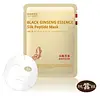
This calming sheet mask is formulated around Panax Ginseng Root Extract and Panthenol to calm redness and hydrate skin.
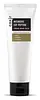
This anti-aging moisturizer is formulated around Niacinamide and Sh-Oligopeptide-1 to soften the look of wrinkles.

What's inside
What's inside
 Key Ingredients
Benefits
Concerns
No concerns
Ingredients Side-by-side
Water
Skin ConditioningInositol
Humectant
Propanediol
Solvent
Magnesium Chloride
Inonotus Obliquus Extract
Skin ConditioningPanax Ginseng Root Extract
Emollient


Pentylene Glycol
Skin Conditioning
Panthenol
Skin Conditioning
Marrubium Vulgare Extract
Skin ConditioningBetaine
Humectant
1,2-Hexanediol
Skin Conditioning
Glycerin
Humectant
Hydroxyacetophenone
Antioxidant
Acrylates/C10-30 Alkyl Acrylate Crosspolymer
Emulsion StabilisingTriethanolamine
BufferingPhenoxyethanol
Preservative
Caprylhydroxamic Acid
ChelatingCitric Acid
Buffering


Sodium Benzoate
Masking
Potassium Sorbate
Preservative
Water, Inositol, Propanediol, Magnesium Chloride, Inonotus Obliquus Extract, Panax Ginseng Root Extract, Pentylene Glycol, Panthenol, Marrubium Vulgare Extract, Betaine, 1,2-Hexanediol, Glycerin, Hydroxyacetophenone, Acrylates/C10-30 Alkyl Acrylate Crosspolymer, Triethanolamine, Phenoxyethanol, Caprylhydroxamic Acid, Citric Acid, Sodium Benzoate, Potassium Sorbate
Water
Skin ConditioningGlycerin
Humectant
Paraffinum Liquidum
Emollient


Butylene Glycol
Humectant
Dipropylene Glycol
HumectantCaprylic/Capric Triglyceride
Masking
Sodium Hyaluronate
Humectant

Butylene Glycol Dicaprylate/Dicaprate
EmollientPolyglyceryl-3 Methylglucose Distearate
Emulsifying
Niacinamide
Smoothing





Glyceryl Acrylate/Acrylic Acid Copolymer
HumectantPropylene Glycol
Humectant
1,2-Hexanediol
Skin Conditioning
Cetearyl Alcohol
Emollient

Polysorbate 60
Emulsifying
Cyclomethicone
Emollient
Macadamia Integrifolia Seed Oil
Skin Conditioning
Butyrospermum Parkii Butter
Skin Conditioning
Betaine
Humectant
Panax Ginseng Root Extract
Emollient
Acanthopanax Senticosus Root Extract
Skin ConditioningPunica Granatum Fruit Extract
Antioxidant
Carthamus Tinctorius Flower Extract
Skin ConditioningPanax Ginseng Callus Culture Extract
Skin ConditioningHydrolyzed Collagen
Emollient
Ganoderma Lucidum Extract
Skin Protecting
Grifola Frondosa Extract
Skin ConditioningPhellinus Linteus Extract
Skin ConditioningFomes Officinalis Extract
Skin ProtectingSarcodon Aspratus Extract
Antioxidant
Trametes Versicolor Extract
Inonotus Obliquus Extract
Skin ConditioningAgaricus Blazei Extract
Skin ConditioningTricholoma Matsutake Extract
Skin ConditioningPropolis Extract
Skin Conditioning
Hydrogenated Lecithin
Emulsifying
Sh-Oligopeptide-1
Skin Conditioning
Copper Tripeptide-1
Skin Conditioning
Dimethicone
Emollient
Arachidyl Alcohol
Emollient
Behenyl Alcohol
Emollient
Arachidyl Glucoside
EmulsifyingPolysorbate 20
Emulsifying
Stearic Acid
Cleansing
Phenoxyethanol
Preservative
Arginine
Masking
Carbomer
Emulsion StabilisingPanthenol
Skin Conditioning
Allantoin
Skin Conditioning
Tocopheryl Acetate
Antioxidant
Adenosine
Skin Conditioning
Disodium EDTA
ChelatingXanthan Gum
EmulsifyingEthylhexylglycerin
Skin ConditioningParfum
Masking

Water, Glycerin, Paraffinum Liquidum, Butylene Glycol, Dipropylene Glycol, Caprylic/Capric Triglyceride, Sodium Hyaluronate, Butylene Glycol Dicaprylate/Dicaprate, Polyglyceryl-3 Methylglucose Distearate, Niacinamide, Glyceryl Acrylate/Acrylic Acid Copolymer, Propylene Glycol, 1,2-Hexanediol, Cetearyl Alcohol, Polysorbate 60, Cyclomethicone, Macadamia Integrifolia Seed Oil, Butyrospermum Parkii Butter, Betaine, Panax Ginseng Root Extract, Acanthopanax Senticosus Root Extract, Punica Granatum Fruit Extract, Carthamus Tinctorius Flower Extract, Panax Ginseng Callus Culture Extract, Hydrolyzed Collagen, Ganoderma Lucidum Extract, Grifola Frondosa Extract, Phellinus Linteus Extract, Fomes Officinalis Extract, Sarcodon Aspratus Extract, Trametes Versicolor Extract, Inonotus Obliquus Extract, Agaricus Blazei Extract, Tricholoma Matsutake Extract, Propolis Extract, Hydrogenated Lecithin, Sh-Oligopeptide-1, Copper Tripeptide-1, Dimethicone, Arachidyl Alcohol, Behenyl Alcohol, Arachidyl Glucoside, Polysorbate 20, Stearic Acid, Phenoxyethanol, Arginine, Carbomer, Panthenol, Allantoin, Tocopheryl Acetate, Adenosine, Disodium EDTA, Xanthan Gum, Ethylhexylglycerin, Parfum
Ingredients Explained
These ingredients are found in both products.
Ingredients higher up in an ingredient list are typically present in a larger amount.
1,2-Hexanediol is a synthetic liquid and another multi-functional powerhouse.
It is a:
- Humectant, drawing moisture into the skin
- Emollient, helping to soften skin
- Solvent, dispersing and stabilizing formulas
- Preservative booster, enhancing the antimicrobial activity of other preservatives
Betaine is a humectant. Like hyaluronic acid, it helps attract and retain moisture in the skin. It’s known for being gentle and for helping the skin maintain balanced hydration.
Betaine is mainly used to improve hydration and support calmer skin. It helps skin cells regulate water balance because it functions as an osmolyte.
Some studies suggest betaine may support making skin tone more even.
Fun fact: Betaine naturally exists in the skin and the body. In cosmetic products, it can be either plant-derived (most commonly from sugar beets) or synthetically produced for consistency and stability.
Betaine is also known as trimethylglycine.
Learn more about BetaineGlycerin (or glycerol) is a compound naturally found in your skin. It's a powerhouse humectant that pulls water into the stratum corneum.
Topically, glycerin does several things at once:
Your skin makes glycerin on its own (mostly from sebaceous oil breakdown) and shuttles it to your outermost layer of skin, or your epidermis, via aquaporin-3.
Aquaporin-3 is a transporter that is essential for normal skin hydration, elasticity, and repair. Interestingly, mice lacking in AQP3 have dry and less elastic skin that can be fully corrected with glycerin.
This ingredient is non-irritating, plays well with almost every ingredient, and works across all skin types. Typical use is anywhere between 3-10% but can go up to 79% in some leave-on products.
Just know very high concentrations (>40%) can feel tacky in low humidity.
Glycerin is the name for this ingredient in American English. British English uses Glycerol/Glycerine.
Learn more about GlycerinThis ingredient is also known as the chaga mushroom. It is a fungus that grows on birch trees.
Ginseng root is a well-loved ingredient in Asian skincare for good reason. It hydrates the skin, soothes irritation, and helps even out skin tone.
In traditional East Asian medicine, ginseng has been used for centuries both as food and as a healing remedy, and modern research continues to confirm its skin benefits.
One of the standout features of ginseng is its ability to improve blood circulation and oxygen delivery to the skin, bringing a fresh supply of nutrients to support overall skin health. It also has antioxidant and anti-inflammatory properties. This helps to protect your skin against damage from UV exposure, pollution, and daily stress.
Additionally, studies suggest that ginseng may help reduce hyperpigmentation by inhibiting tyrosinase, the enzyme involved in melanin production.
There are different types of ginseng used in skincare, and while they all share core benefits, their potency can vary.
Most products use fresh or white ginseng because it’s more affordable. However, red ginseng, produced by steaming the root, contains higher levels of ginsenosides, which are compounds with proven anti-aging effects. These ginsenosides help reduce the appearance of wrinkles and improve skin elasticity.
Note: All forms of ginseng are listed simply as “Panax ginseng” in ingredient lists. We recommend reaching out to the brand if you have questions about which type of ginseng is used in their ingredients.
For general antioxidant benefits, any ginseng extract will do, but for wrinkle care or firmer skin, red or fermented ginseng is often more effective.
In short, ginseng is a powerhouse ingredient that supports hydration, radiance, and resilience.
Learn more about Panax Ginseng Root ExtractPanthenol is a common ingredient that helps hydrate and soothe the skin. It is found naturally in our skin and hair.
There are two forms of panthenol: D and L.
D-panthenol is also known as dexpanthenol. Most cosmetics use dexpanthenol or a mixture of D and L-panthenol.
Panthenol is famous due to its ability to go deeper into the skin's layers. Using this ingredient has numerous pros (and no cons):
Like hyaluronic acid, panthenol is a humectant. Humectants are able to bind and hold large amounts of water to keep skin hydrated.
This ingredient works well for wound healing. It works by increasing tissue in the wound and helps close open wounds.
Once oxidized, panthenol converts to pantothenic acid. Panthothenic acid is found in all living cells.
This ingredient is also referred to as pro-vitamin B5.
Learn more about PanthenolPhenoxyethanol is one of the most widely used preservatives in skincare (and for good reason!).
It has a large spectrum of antimicrobial activity and especially effective bacteria, yeast, and mold while only having a weak effect on your skin's natural microbiome.
On a cellular level, it disrupts the cell membranes of microbes by poking holes that make the cell leak. This shuts down the chemical reactions the microbe needs to make energy so it can no longer survive.
Another perk of this ingredient is that it stays functional across a wide pH range (3-10).
You'll often see it paired with boosters like Ethylhexylglycerin; one study showed that a 1:9 ratio of Ethylhexylglycerin to Phenoxyethanol damages bacterial membranes as effectively as doubling the Phenoxyethanol concentration on its own.
Typical use concentrations range from 0.3-1% depending on the formula, and this ingredient is capped at 1% int the EU.
Safety-wise, the fear mongering does not hold up to the evidence. The EU's Scientific Committee on Consumer Safety and FDA consider it safe as a preservative at up to 1%, including for children of all ages.
Adverse systemic effects only showed up in animal studies at exposures roughly 200x higher than what people get from cosmetics. And despite its very widespread use, this ingredient is a rare sensitizer and allergic reactions are uncommon.
Learn more about PhenoxyethanolWater. It's the most common cosmetic ingredient of all. You'll usually see it at the top of ingredient lists, meaning that it makes up the largest part of the product.
So why is it so popular? Water most often acts as a solvent - this means that it helps dissolve other ingredients into the formulation.
You'll also recognize water as that liquid we all need to stay alive. If you see this, drink a glass of water. Remember to stay hydrated!
Learn more about Water

