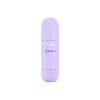
This barrier-repair toner is formulated around Panthenol to strengthen the skin barrier and calm redness.
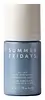
This hydrating toner is formulated around Panthenol and Aloe Barbadensis Leaf Juice to hydrate skin and calm redness.


What's inside
What's inside
 Key Ingredients
Benefits
Concerns
Ingredients Side-by-side
Water
Skin ConditioningChamaecyparis Obtusa Water
MaskingDipropylene Glycol
HumectantButylene Glycol
Humectant

Triethylhexanoin
MaskingHydrogenated Poly(C6-14 Olefin)
EmollientPanthenol
Skin Conditioning


Pentylene Glycol
Skin Conditioning
1,2-Hexanediol
Skin Conditioning
Glycerin
Humectant
Methylpropanediol
SolventStreptococcus Thermophilus Ferment
Humectant

Betaine
Humectant
Trilaureth-4 Phosphate
EmulsifyingHonokiol
Antioxidant
Ethylhexylglycerin
Skin ConditioningCitric Acid
Buffering

Sodium Phytate
Sodium Citrate
BufferingPolyquaternium-51
Skin Conditioning
Pyrus Malus Juice
Skin ConditioningCynanchum Atratum Extract
Skin ConditioningTocopherol
Antioxidant


Ethoxydiglycol
HumectantOctyldodecanol
Emollient
Asiaticoside
Antioxidant
Glycolipids
Skin ConditioningMadecassic Acid
Skin Conditioning
Asiatic Acid
Skin Conditioning
Hydrogenated Lecithin
Emulsifying
C12-13 Alketh-9
EmulsifyingWater, Chamaecyparis Obtusa Water, Dipropylene Glycol, Butylene Glycol, Triethylhexanoin, Hydrogenated Poly(C6-14 Olefin), Panthenol, Pentylene Glycol, 1,2-Hexanediol, Glycerin, Methylpropanediol, Streptococcus Thermophilus Ferment, Betaine, Trilaureth-4 Phosphate, Honokiol, Ethylhexylglycerin, Citric Acid, Sodium Phytate, Sodium Citrate, Polyquaternium-51, Pyrus Malus Juice, Cynanchum Atratum Extract, Tocopherol, Ethoxydiglycol, Octyldodecanol, Asiaticoside, Glycolipids, Madecassic Acid, Asiatic Acid, Hydrogenated Lecithin, C12-13 Alketh-9
Water
Skin ConditioningGlycerin
Humectant
Propanediol
Solvent
Pentylene Glycol
Skin Conditioning
1,2-Hexanediol
Skin Conditioning
Panthenol
Skin Conditioning
Aloe Barbadensis Leaf Juice
Skin Conditioning
Ceramide NP
Skin Conditioning
Ectoin
Skin Conditioning
Camellia Sinensis Leaf Extract
Antimicrobial

Centella Asiatica Extract
Cleansing
Cucumis Sativus Fruit Extract
Emollient
Allantoin
Skin Conditioning
Squalane
Emollient
Butyrospermum Parkii Butter
Skin Conditioning


Olea Europaea Fruit Oil
Masking

Tocopheryl Acetate
Antioxidant
Ethylhexylglycerin
Skin ConditioningButylene Glycol
Humectant
Hydrogenated Lecithin
Emulsifying
Behenyl Alcohol
Emollient
Polyglyceryl-3 Methylglucose Distearate
Emulsifying
Cetearyl Alcohol
Emollient
Inulin Lauryl Carbamate
Emulsion StabilisingGlycolipids
Skin ConditioningCaprylic/Capric Triglyceride
Masking
Methyl Diisopropyl Propionamide
MaskingCitric Acid
Buffering
Sodium Benzoate
Masking
Potassium Sorbate
Preservative
Tocopherol
Antioxidant
Water, Glycerin, Propanediol, Pentylene Glycol, 1,2-Hexanediol, Panthenol, Aloe Barbadensis Leaf Juice, Ceramide NP, Ectoin, Camellia Sinensis Leaf Extract, Centella Asiatica Extract, Cucumis Sativus Fruit Extract, Allantoin, Squalane, Butyrospermum Parkii Butter, Olea Europaea Fruit Oil, Tocopheryl Acetate, Ethylhexylglycerin, Butylene Glycol, Hydrogenated Lecithin, Behenyl Alcohol, Polyglyceryl-3 Methylglucose Distearate, Cetearyl Alcohol, Inulin Lauryl Carbamate, Glycolipids, Caprylic/Capric Triglyceride, Methyl Diisopropyl Propionamide, Citric Acid, Sodium Benzoate, Potassium Sorbate, Tocopherol
Reviews
Ingredients Explained
These ingredients are found in both products.
Ingredients higher up in an ingredient list are typically present in a larger amount.
1,2-Hexanediol is a synthetic liquid and another multi-functional powerhouse.
It is a:
- Humectant, drawing moisture into the skin
- Emollient, helping to soften skin
- Solvent, dispersing and stabilizing formulas
- Preservative booster, enhancing the antimicrobial activity of other preservatives
Butylene Glycol (or BG) is used within cosmetic products for a few different reasons:
Overall, Butylene Glycol is a safe and well-rounded ingredient that works well with other ingredients.
Though this ingredient works well with most skin types, some people with sensitive skin may experience a reaction such as allergic rashes, closed comedones, or itchiness.
Learn more about Butylene GlycolCitric Acid is an alpha hydroxy acid (AHA) naturally found in citrus fruits like oranges, lemons, and limes.
Like other AHAs, citric acid can exfoliate skin by breaking down the bonds that hold dead skin cells together. This helps reveal smoother and brighter skin underneath.
However, this exfoliating effect only happens at high concentrations (20%) which can be hard to find in cosmetic products.
Due to this, citric acid is usually included in small amounts as a pH adjuster. This helps keep products slightly more acidic and compatible with skin's natural pH.
In skincare formulas, citric acid can:
While it can provide some skin benefits, research shows lactic acid and glycolic acid are generally more effective and less irritating exfoliants.
Most citric acid used in skincare today is made by fermenting sugars (usually from molasses). This synthetic version is identical to the natural citrus form but easier to stabilize and use in formulations.
Read more about some other popular AHA's here:
Learn more about Citric AcidEthylhexylglycerin is created from glycerin. It is a multitasker ingredient that:
The CIR Expert Panel found minimal skin absorption or sensitization of any kind in a safety assessment. Though this ingredient is considered well-tolerated, a small number of cases of allergic dermatitis have been published since 2002. Just be sure to patch test if you are unsure.
Industry-reported use ranges from 8% in rinse-off products and 2% in leave-on formulations.
Learn more about EthylhexylglycerinGlycerin (or glycerol) is a compound naturally found in your skin. It's a powerhouse humectant that pulls water into the stratum corneum.
Topically, glycerin does several things at once:
Your skin makes glycerin on its own (mostly from sebaceous oil breakdown) and shuttles it to your outermost layer of skin, or your epidermis, via aquaporin-3.
Aquaporin-3 is a transporter that is essential for normal skin hydration, elasticity, and repair. Interestingly, mice lacking in AQP3 have dry and less elastic skin that can be fully corrected with glycerin.
This ingredient is non-irritating, plays well with almost every ingredient, and works across all skin types. Typical use is anywhere between 3-10% but can go up to 79% in some leave-on products.
Just know very high concentrations (>40%) can feel tacky in low humidity.
Glycerin is the name for this ingredient in American English. British English uses Glycerol/Glycerine.
Learn more about GlycerinGlycolipids are natural, sustainable biosurfactants. They are both surfactants (cleansing agents) and emollients.
Made from lipids and sugars, in-vitro studies show glycolipids are a gentle alternative to conventional surfactants. They also possess foaming properties to give cleaning products a nice texture.
One manufacturer study found their glycolipid also demonstrated sebum reduction and helped reduced oiliness after four weeks. This means it can also be great for scalp care.
Learn more about GlycolipidsHydrogenated Lecithin is a more stable version of lecithin.
It's made by taking lecithin (a phospholipid commonly found in soybeans and egg yolks) and hydrogenating it. This just means the unsaturated fatty acids are turned into saturated ones so they don't go bad as easily.
This ingredient is an emollient, emulsifier, and penetration enhancer. As an emollient, it helps soften and hydrate skin by trapping moisture within. As an emulsifier, it prevents oil and water ingredients from separating.
Hydrogenated Lecithin can form tiny spherical structures made of phospholipid bilayers called liposomes. These liposomes are able to capture compounds inside their structure and deliver them through the skin barrier.
Because phospholipids are a natural component of our cell membranes, this ingredient is inherently compatible with skin.
A 2021 study found lecithin-based surfactants were less harsh and more tolerable comared to Sodium Lauryl Sulfate (SLS).
Learn more about Hydrogenated LecithinPanthenol is a common ingredient that helps hydrate and soothe the skin. It is found naturally in our skin and hair.
There are two forms of panthenol: D and L.
D-panthenol is also known as dexpanthenol. Most cosmetics use dexpanthenol or a mixture of D and L-panthenol.
Panthenol is famous due to its ability to go deeper into the skin's layers. Using this ingredient has numerous pros (and no cons):
Like hyaluronic acid, panthenol is a humectant. Humectants are able to bind and hold large amounts of water to keep skin hydrated.
This ingredient works well for wound healing. It works by increasing tissue in the wound and helps close open wounds.
Once oxidized, panthenol converts to pantothenic acid. Panthothenic acid is found in all living cells.
This ingredient is also referred to as pro-vitamin B5.
Learn more about PanthenolPentylene Glycol (1,2-pentanediol) is a multitasking little diol with three main roles in a formula:
Research on alkanediols (the family pentylene glycol belongs to) show they work by disrupting microbial cell membranes. This disruption helps the primary preservative system in a product work more effectively at lower doses.
On the safety side, the Cosmetic Ingredient Review Expert Panel has concluded this ingredient to be safe as used in current cosmetic practices + concentrations.
Typical use levels in a formula run about 1-5%.
Learn more about Pentylene GlycolTocopherol is a fat-soluble antioxidant known as Vitamin E.
You'll find this ingredient in the vast majority of skincare (for good reason). It works to neutralize free radicals, or unstable molecules generated by UV exposure, pollution, and other environmental stressors, before they can cause oxidative damage to your skin cells.
Topically applied tocopherol has been shown to protect against UV damage by ramping up the skin's own natural defense enzymes.
It also acts as a skin conditioning agent; some studies show that regular topical use can improve the skin's water-binding capacity over 2-4 weeks.
This ingredient is especially loved for being a team player. When combined with Vitamin C, the photoprotective effect of both ingredients roughly doubles and the combo also helps reduce UV-induced DNA damage.
This ingredient has some brightening potential but it's more of a prevention ingredient than spot-fader. Cell studies show it can slow down melanin production but it's worth noting that it's not the most powerful brightener out there.
In formulations, it also serves as a stabilizer that helps protect other oxidation-prone ingredients from degrading.
Concentrations usually range from 0.1-1% in most leave-on products.
Learn more about TocopherolWater. It's the most common cosmetic ingredient of all. You'll usually see it at the top of ingredient lists, meaning that it makes up the largest part of the product.
So why is it so popular? Water most often acts as a solvent - this means that it helps dissolve other ingredients into the formulation.
You'll also recognize water as that liquid we all need to stay alive. If you see this, drink a glass of water. Remember to stay hydrated!
Learn more about Water

