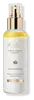
This hydrating serum is formulated around Niacinamide and Persea Gratissima Oil to hydrate skin and calm redness.

What's inside
What's inside
 Key Ingredients
Benefits
Concerns
Ingredients Side-by-side
Water
Skin ConditioningDipropylene Glycol
HumectantNeopentyl Glycol Diheptanoate
EmollientGlycereth-26
Humectant
1,2-Hexanediol
Skin Conditioning
Niacinamide
Smoothing











Sorbitol
Humectant
Hydroxyethyl Urea
Humectant
Persea Gratissima Oil
Skin Conditioning




Salvia Hispanica Seed Extract
Emollient
Ocimum Basilicum Flower/Leaf/Stem Extract
TonicBetaine
Humectant
Avena Sativa Kernel Extract
Abrasive

Butylene Glycol
Humectant
Tuber Magnatum Extract
Skin ConditioningGlycerin
Humectant
Helianthus Annuus Seed Oil
Emollient
Tocopheryl Acetate
Antioxidant
Disodium EDTA
ChelatingDipotassium Glycyrrhizate
Humectant
Adenosine
Skin Conditioning
Sodium Palmitoyl Proline
Skin ConditioningBifida Ferment Lysate
Skin Conditioning
Nymphaea Alba Flower Extract
Skin ConditioningHydrolyzed Hyaluronic Acid
Humectant
Glycine Soja Oil
Emollient
Saussurea Involucrata Extract
HumectantPanax Ginseng Root Extract
Emollient
Nelumbo Nucifera Flower Extract
Skin ConditioningMorus Alba Bark Extract
Skin ConditioningLilium Candidum Flower Extract
Skin ConditioningLeontopodium Alpinum Extract
Skin ConditioningHouttuynia Cordata Extract
Skin Conditioning
Freesia Refracta Extract
Skin ConditioningCarbomer
Emulsion StabilisingBellis Perennis Flower Extract
Skin ConditioningArginine
Masking
Potassium Sorbate
Preservative
Bixa Orellana Seed Oil
Emollient
Tocopherol
Antioxidant
Parfum
Masking


Linalool
Perfuming
Hexyl Cinnamal
Perfuming
Limonene
Perfuming
Citronellol
Perfuming
Water, Dipropylene Glycol, Neopentyl Glycol Diheptanoate, Glycereth-26, 1,2-Hexanediol, Niacinamide, Sorbitol, Hydroxyethyl Urea, Persea Gratissima Oil, Salvia Hispanica Seed Extract, Ocimum Basilicum Flower/Leaf/Stem Extract, Betaine, Avena Sativa Kernel Extract, Butylene Glycol, Tuber Magnatum Extract, Glycerin, Helianthus Annuus Seed Oil, Tocopheryl Acetate, Disodium EDTA, Dipotassium Glycyrrhizate, Adenosine, Sodium Palmitoyl Proline, Bifida Ferment Lysate, Nymphaea Alba Flower Extract, Hydrolyzed Hyaluronic Acid, Glycine Soja Oil, Saussurea Involucrata Extract, Panax Ginseng Root Extract, Nelumbo Nucifera Flower Extract, Morus Alba Bark Extract, Lilium Candidum Flower Extract, Leontopodium Alpinum Extract, Houttuynia Cordata Extract, Freesia Refracta Extract, Carbomer, Bellis Perennis Flower Extract, Arginine, Potassium Sorbate, Bixa Orellana Seed Oil, Tocopherol, Parfum, Linalool, Hexyl Cinnamal, Limonene, Citronellol
Water
Skin ConditioningPropanediol
Solvent
Bifida Ferment Lysate 3.6%
Skin Conditioning
Lactobacillus Ferment Lysate 3.6%
Skin Conditioning
Dipropylene Glycol
HumectantPentylene Glycol
Skin Conditioning
Butylene Glycol
Humectant
Lactococcus Ferment Lysate
Skin Conditioning
Pichia Ferment Lysate Filtrate
HumectantSaccharomyces Ferment Lysate Filtrate
Skin Conditioning
1,2-Hexanediol
Skin Conditioning
Colostrum
Skin Conditioning
Chlorella Vulgaris Extract
Skin ConditioningXylitol
Humectant
Vincetoxicum Atratum Extract
Skin ConditioningAlthaea Rosea Flower Extract
Skin ConditioningHyaluronic Acid
Humectant
Milk Lipids
Skin Conditioning
Betaine
Humectant
Panthenol
Skin Conditioning
Glucose
Humectant
Glycerin
Humectant
Fructooligosaccharides
Humectant
Fructose
Humectant
Ethylhexylglycerin
Skin ConditioningDiphenyl Dimethicone
Emollient
Adenosine
Skin Conditioning
Triethylhexanoin
MaskingSodium Citrate
BufferingSodium Phytate
ChelatingCitric Acid
Buffering
Hydrogenated Lecithin
Emulsifying
Beta-Glucan
Skin Conditioning
Tocopherol
Antioxidant
Magnesium Chloride
Tetradecyl Aminobutyroylvalylaminobutyric Urea Trifluoroacetate
Skin ConditioningWater, Propanediol, Bifida Ferment Lysate 3.6%, Lactobacillus Ferment Lysate 3.6%, Dipropylene Glycol, Pentylene Glycol, Butylene Glycol, Lactococcus Ferment Lysate, Pichia Ferment Lysate Filtrate, Saccharomyces Ferment Lysate Filtrate, 1,2-Hexanediol, Colostrum, Chlorella Vulgaris Extract, Xylitol, Vincetoxicum Atratum Extract, Althaea Rosea Flower Extract, Hyaluronic Acid, Milk Lipids, Betaine, Panthenol, Glucose, Glycerin, Fructooligosaccharides, Fructose, Ethylhexylglycerin, Diphenyl Dimethicone, Adenosine, Triethylhexanoin, Sodium Citrate, Sodium Phytate, Citric Acid, Hydrogenated Lecithin, Beta-Glucan, Tocopherol, Magnesium Chloride, Tetradecyl Aminobutyroylvalylaminobutyric Urea Trifluoroacetate
Reviews
Ingredients Explained
These ingredients are found in both products.
Ingredients higher up in an ingredient list are typically present in a larger amount.
1,2-Hexanediol is a synthetic liquid and another multi-functional powerhouse.
It is a:
- Humectant, drawing moisture into the skin
- Emollient, helping to soften skin
- Solvent, dispersing and stabilizing formulas
- Preservative booster, enhancing the antimicrobial activity of other preservatives
Adenosine is a purine nucleoside that your body already makes in every cell. In skincare, it acts mainly as a skin conditioning and anti-aging agent.
The way it works is fairly well mapped out:
Your skin has cells called fibroblasts that build collagen (the stuff that keeps skin firm and smooth). Adenosine basically flips a switch on these cells that tells them to get to work making more collagen and other proteins. These cells slow down on their own as skin ages, so Adenosine helps give them a little nudge to keep going.
The clinical backing is pretty solid too.
A blind, randomized, placebo-controlled trial of 126 women aged 45-65 tested a 0.1% cream twice daily and found real improvements in crow's feet and frown lines using a precise 3D skin-mapping technique; these changes showed up by week 3 and held at 2 months.
A later study using Adenosine-loaded dissolving microneedle patches reported gains in wrinkle depth, dermal density, elasticity, and hydration.
On concentrations, South Korea's Ministry of Food and Drug Safety has set 0.04% as the approved functional anti-wrinkle level. You'll typically see this ingredient used somewhere in the 0.04-0.1% range since it works at low doses.
This ingredient has been found safe for cosmetics with the data showing no irritation or sensitization.
Overall, this is a great ingredient for any anti-aging routine and has no photosensitizing effect, so it suits both AM and PM use.
Learn more about AdenosineBetaine is a humectant. Like hyaluronic acid, it helps attract and retain moisture in the skin. It’s known for being gentle and for helping the skin maintain balanced hydration.
Betaine is mainly used to improve hydration and support calmer skin. It helps skin cells regulate water balance because it functions as an osmolyte.
Some studies suggest betaine may support making skin tone more even.
Fun fact: Betaine naturally exists in the skin and the body. In cosmetic products, it can be either plant-derived (most commonly from sugar beets) or synthetically produced for consistency and stability.
Betaine is also known as trimethylglycine.
Learn more about BetaineBifida Ferment Lysate is a postbiotic ingredient made by fermenting Bifidobacterium to extract a nutrient-rich mix of peptides, amino acids, vitamins, organic acids, and polysaccharides.
These components are basically the building blocks that your skin already uses to stay hydrated, repair itself, and maintain its barrier. That's why this ingredient helps your skin hold onto moisture and stay resilient against irritation.
One in-vitro study found that this ingredient tells your skin cells to produce more of the proteins (filaggrin, loricrin, and involucrin) for building a strong and healthy barrier. This study also found this ingredient to be a solid antioxidant that helped neutralize damage against UV and pollution.
A study with people from 2010 found that sensitive, reactive skin using a cream with 10% of this ingredient for a month became noticeably less dry, less reactive, and harder to irritate compared to the group using a plain cream.
In short, this ingredient is a well-tolerated ingredient that can help with barrier repair, antioxidant protection, and calming reactive skin.
This ingredient is generally considered fungal acne (Malassezia) safe; Bifidobacterium is a bacterium, not a yeast or fungus.
The fungal acne concern with fermented ingredients mainly applies to yeast-derived ferments like Saccharomyces and Galactomyces, because those are in the same kingdom as Malassezia and could theoretically contain residual compounds that feed it.
Bifida is a completely different organism, so on its own it doesn't provide a food source for the Malassezia yeast that causes fungal acne.
Learn more about Bifida Ferment LysateButylene Glycol (or BG) is used within cosmetic products for a few different reasons:
Overall, Butylene Glycol is a safe and well-rounded ingredient that works well with other ingredients.
Though this ingredient works well with most skin types, some people with sensitive skin may experience a reaction such as allergic rashes, closed comedones, or itchiness.
Learn more about Butylene GlycolDipropylene Glycol is a synthetically created humectant, stabilizer, and solvent.
This ingredient helps:
Dipropylene glycol is technically an alcohol, but it belongs to the glycol family (often considered part of the ‘good’ alcohols). This means it is hydrating and gentle on skin unlike drying solvent alcohols like denatured alcohol.
As a masking agent, Dipropylene Glycol can be used to cover the smell of other ingredients. However, it does not have a scent.
Studies show Dipropylene Glycol is considered safe to use in skincare.
Learn more about Dipropylene GlycolGlycerin (or glycerol) is a compound naturally found in your skin. It's a powerhouse humectant that pulls water into the stratum corneum.
Topically, glycerin does several things at once:
Your skin makes glycerin on its own (mostly from sebaceous oil breakdown) and shuttles it to your outermost layer of skin, or your epidermis, via aquaporin-3.
Aquaporin-3 is a transporter that is essential for normal skin hydration, elasticity, and repair. Interestingly, mice lacking in AQP3 have dry and less elastic skin that can be fully corrected with glycerin.
This ingredient is non-irritating, plays well with almost every ingredient, and works across all skin types. Typical use is anywhere between 3-10% but can go up to 79% in some leave-on products.
Just know very high concentrations (>40%) can feel tacky in low humidity.
Glycerin is the name for this ingredient in American English. British English uses Glycerol/Glycerine.
Learn more about GlycerinTocopherol is a fat-soluble antioxidant known as Vitamin E.
You'll find this ingredient in the vast majority of skincare (for good reason). It works to neutralize free radicals, or unstable molecules generated by UV exposure, pollution, and other environmental stressors, before they can cause oxidative damage to your skin cells.
Topically applied tocopherol has been shown to protect against UV damage by ramping up the skin's own natural defense enzymes.
It also acts as a skin conditioning agent; some studies show that regular topical use can improve the skin's water-binding capacity over 2-4 weeks.
This ingredient is especially loved for being a team player. When combined with Vitamin C, the photoprotective effect of both ingredients roughly doubles and the combo also helps reduce UV-induced DNA damage.
This ingredient has some brightening potential but it's more of a prevention ingredient than spot-fader. Cell studies show it can slow down melanin production but it's worth noting that it's not the most powerful brightener out there.
In formulations, it also serves as a stabilizer that helps protect other oxidation-prone ingredients from degrading.
Concentrations usually range from 0.1-1% in most leave-on products.
Learn more about TocopherolWater. It's the most common cosmetic ingredient of all. You'll usually see it at the top of ingredient lists, meaning that it makes up the largest part of the product.
So why is it so popular? Water most often acts as a solvent - this means that it helps dissolve other ingredients into the formulation.
You'll also recognize water as that liquid we all need to stay alive. If you see this, drink a glass of water. Remember to stay hydrated!
Learn more about Water

