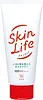
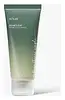
Cow Brand Mutenka SkinLife Medicated Acne Care Foaming Face Wash Versus Anua Heartleaf Pore Clay Pack
This wash off mask is made with Kaolin and Houttuynia Cordata Extract for a rinse-off pore-care boost.


What's inside
What's inside
 Key Ingredients
Benefits
Concerns
Ingredients Side-by-side
O-Cymen-5-Ol
Antimicrobial
Dipotassium Glycyrrhizate
Humectant

Myristic Acid
Cleansing




Lauric Acid
Cleansing
Stearic Acid
Cleansing
Behenic Acid
Cleansing
Arginine Cocoate
Skin Conditioning

Malic Acid
Buffering





Citrus Limon Fruit Extract
Masking
Glycerin
Humectant
Butylene Glycol
Humectant
Disteardimonium Hectorite
StabilisingTin Oxide
Abrasive
Citric Acid
Buffering
Parfum
Masking

Potassium Hydroxide
BufferingWater
Skin ConditioningKaolin 20%
Abrasive


Houttuynia Cordata Extract 10.1%
Skin Conditioning
Glycerin
Humectant
Propanediol
Solvent
Butylene Glycol
Humectant
Bentonite
Absorbent
Hexylene Glycol
EmulsifyingZea Mays Starch
Absorbent
1,2-Hexanediol
Skin Conditioning
Glyceryl Glucoside
Humectant
Betaine
Humectant
Decyl Glucoside
Cleansing
Centella Asiatica Extract
Cleansing

Ficus Carica Fruit Extract
Humectant
Laminaria Japonica Extract
Skin Protecting
Eclipta Prostrata Leaf Extract
Skin ConditioningSodium Hyaluronate
Humectant
Hydrogenated Lecithin
Emulsifying
Soluble Collagen
Humectant
Potassium Cetyl Phosphate
EmulsifyingCalamine
AbsorbentHouttuynia Cordata Powder
Skin ConditioningXanthan Gum
EmulsifyingDipropylene Glycol
HumectantChlorella Vulgaris Powder
Skin ConditioningSodium Acrylate/Sodium Acryloyldimethyl Taurate Copolymer
Emulsion StabilisingPolyisobutene
Triethoxycaprylylsilane

Allantoin
Skin Conditioning
Sorbitan Oleate
Emulsifying
Caprylyl/Capryl Glucoside
CleansingFructooligosaccharides
Humectant
Protease
Exfoliating
Beta-Glucan
Skin Conditioning
Panthenol
Skin Conditioning
Hydrolyzed Hyaluronic Acid
Humectant
Ceramide NP
Skin Conditioning
Quercetin
Antioxidant
Palmitoyl Proline
Skin ConditioningTripeptide-5
Skin Conditioning
Parfum
Masking
Hydroxyacetophenone
Antioxidant
Ethylhexylglycerin
Skin ConditioningPentylene Glycol
Skin Conditioning
CI 77492
Cosmetic ColorantWater, Kaolin 20%, Houttuynia Cordata Extract 10.1%, Glycerin, Propanediol, Butylene Glycol, Bentonite, Hexylene Glycol, Zea Mays Starch, 1,2-Hexanediol, Glyceryl Glucoside, Betaine, Decyl Glucoside, Centella Asiatica Extract, Ficus Carica Fruit Extract, Laminaria Japonica Extract, Eclipta Prostrata Leaf Extract, Sodium Hyaluronate, Hydrogenated Lecithin, Soluble Collagen, Potassium Cetyl Phosphate, Calamine, Houttuynia Cordata Powder, Xanthan Gum, Dipropylene Glycol, Chlorella Vulgaris Powder, Sodium Acrylate/Sodium Acryloyldimethyl Taurate Copolymer, Polyisobutene, Triethoxycaprylylsilane, Allantoin, Sorbitan Oleate, Caprylyl/Capryl Glucoside, Fructooligosaccharides, Protease, Beta-Glucan, Panthenol, Hydrolyzed Hyaluronic Acid, Ceramide NP, Quercetin, Palmitoyl Proline, Tripeptide-5, Parfum, Hydroxyacetophenone, Ethylhexylglycerin, Pentylene Glycol, CI 77492
Reviews
Ingredients Explained
These ingredients are found in both products.
Ingredients higher up in an ingredient list are typically present in a larger amount.
Butylene Glycol (or BG) is used within cosmetic products for a few different reasons:
Overall, Butylene Glycol is a safe and well-rounded ingredient that works well with other ingredients.
Though this ingredient works well with most skin types, some people with sensitive skin may experience a reaction such as allergic rashes, closed comedones, or itchiness.
Learn more about Butylene GlycolGlycerin (or glycerol) is a compound naturally found in your skin. It's a powerhouse humectant that pulls water into the stratum corneum.
Topically, glycerin does several things at once:
Your skin makes glycerin on its own (mostly from sebaceous oil breakdown) and shuttles it to your outermost layer of skin, or your epidermis, via aquaporin-3.
Aquaporin-3 is a transporter that is essential for normal skin hydration, elasticity, and repair. Interestingly, mice lacking in AQP3 have dry and less elastic skin that can be fully corrected with glycerin.
This ingredient is non-irritating, plays well with almost every ingredient, and works across all skin types. Typical use is anywhere between 3-10% but can go up to 79% in some leave-on products.
Just know very high concentrations (>40%) can feel tacky in low humidity.
Glycerin is the name for this ingredient in American English. British English uses Glycerol/Glycerine.
Learn more about GlycerinParfum is a catch-all term for an ingredient or more that is used to give a scent to products.
Also called "fragrance", this ingredient can be a blend of hundreds of chemicals or plant oils. This means every product with "fragrance" or "parfum" in the ingredients list is a different mixture.
For instance, Habanolide is a proprietary trade name for a specific aroma chemical. When used as a fragrance ingredient in cosmetics, most aroma chemicals fall under the broad labeling category of “FRAGRANCE” or “PARFUM” according to EU and US regulations.
The term 'parfum' or 'fragrance' is not regulated in many countries. In many cases, it is up to the brand to define this term.
For instance, many brands choose to label themselves as "fragrance-free" because they are not using synthetic fragrances. However, their products may still contain ingredients such as essential oils that are considered a fragrance by INCI standards.
One example is Calendula flower extract. Calendula is an essential oil that still imparts a scent or 'fragrance'.
Depending on the blend, the ingredients in the mixture can cause allergies and sensitivities on the skin. Some ingredients that are known EU allergens include linalool and citronellol.
Parfum can also be used to mask or cover an unpleasant scent.
The bottom line is: not all fragrances/parfum/ingredients are created equally. If you are worried about fragrances, we recommend taking a closer look at an ingredient. And of course, we always recommend speaking with a professional.
Learn more about Parfum

