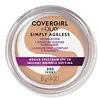
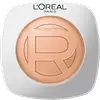
Covergirl Simply Ageless Instant Wrinkle Defying Foundation SPF 28 Versus L'Oreal True Match Tinted Balm


What's inside
What's inside
 Key Ingredients
Benefits
Concerns
Ingredients Side-by-side
Water
Skin ConditioningCyclopentasiloxane
Emollient
Talc
Abrasive
Butylene Glycol
Humectant

Niacinamide
Smoothing










Acetyl Glucosamine
Skin Conditioning
Euphorbia Cerifera Cera
Astringent

Isotridecyl Isononanoate
EmollientSilica
Abrasive
PEG-9 Polydimethylsiloxyethyl Dimethicone
Emulsifying
Sorbitan Isostearate
Emulsifying
Paraffin
Skin Conditioning
Microcrystalline Wax
Emulsion StabilisingAluminum Hydroxide
EmollientTocopheryl Acetate
Antioxidant

Phenoxyethanol
Preservative
Hydrogen Dimethicone
Methicone
Emollient
Dimethicone
Emollient
Panthenol
Skin Conditioning
Stearic Acid
Cleansing
Disodium EDTA
ChelatingGlycerin
Humectant
Pentylene Glycol
Skin Conditioning
Hydroxypropyl Cyclodextrin
MaskingCitric Acid
Buffering
Fructose
Humectant
Sodium Hydroxide
BufferingUrea
Buffering
Disodium Stearoyl Glutamate
CleansingAscorbyl Glucoside
Antioxidant
Iodopropynyl Butylcarbamate
Preservative
Allantoin
Skin Conditioning
Maltose
MaskingSodium Chloride
MaskingSodium Lactate
Buffering
Sodium PCA
Humectant
Trehalose
Humectant
Glucose
Humectant
Sodium Hyaluronate
Humectant
CI 77891
Cosmetic ColorantIron Oxides
CI 77491
Cosmetic ColorantCI 77492
Cosmetic ColorantCI 77499
Cosmetic ColorantWater, Cyclopentasiloxane, Talc, Butylene Glycol, Niacinamide, Acetyl Glucosamine, Euphorbia Cerifera Cera, Isotridecyl Isononanoate, Silica, PEG-9 Polydimethylsiloxyethyl Dimethicone, Sorbitan Isostearate, Paraffin, Microcrystalline Wax, Aluminum Hydroxide, Tocopheryl Acetate, Phenoxyethanol, Hydrogen Dimethicone, Methicone, Dimethicone, Panthenol, Stearic Acid, Disodium EDTA, Glycerin, Pentylene Glycol, Hydroxypropyl Cyclodextrin, Citric Acid, Fructose, Sodium Hydroxide, Urea, Disodium Stearoyl Glutamate, Ascorbyl Glucoside, Iodopropynyl Butylcarbamate, Allantoin, Maltose, Sodium Chloride, Sodium Lactate, Sodium PCA, Trehalose, Glucose, Sodium Hyaluronate, CI 77891, Iron Oxides, CI 77491, CI 77492, CI 77499
Octyldodecanol
Emollient
Silica
Abrasive
Hydrogenated Polyisobutene
EmollientDiisostearyl Malate
EmollientPolybutene
Polyethylene
Abrasive
Bis-Behenyl/Isostearyl/Phytosteryl Dimer Dilinoleyl Dimer Dilinoleate
EmollientPolyvinyl Laurate
Paraffin
Skin Conditioning
Microcrystalline Wax
Emulsion StabilisingPentaerythrityl Tetra-Di-T-Butyl Hydroxyhydrocinnamate
Antioxidant
Synthetic Wax
Abrasive
Aluminum Hydroxide
EmollientEthylhexyl Palmitate
Emollient
Trihydroxystearin
Skin Conditioning
Tocopherol
Antioxidant
Sodium Hyaluronate
Humectant
Glucomannan
Skin ConditioningParfum
Masking

Octyldodecanol, Silica, Hydrogenated Polyisobutene, Diisostearyl Malate, Polybutene, Polyethylene, Bis-Behenyl/Isostearyl/Phytosteryl Dimer Dilinoleyl Dimer Dilinoleate, Polyvinyl Laurate, Paraffin, Microcrystalline Wax, Pentaerythrityl Tetra-Di-T-Butyl Hydroxyhydrocinnamate, Synthetic Wax, Aluminum Hydroxide, Ethylhexyl Palmitate, Trihydroxystearin, Tocopherol, Sodium Hyaluronate, Glucomannan, Parfum
Reviews
Ingredients Explained
These ingredients are found in both products.
Ingredients higher up in an ingredient list are typically present in a larger amount.
Aluminum Hydroxide is a form of aluminum. It can be naturally found in nature as the mineral gibbsite. In cosmetics, Aluminum Hydroxide is used as a colorant, pH adjuster, and absorbent.
As a colorant, Aluminum Hydroxide may add opacity, or reduce the transparency. Aluminum hydroxide is contains both basic and acidic properties.
According to manufacturers, this ingredient is an emollient and humectant. This means it helps hydrate the skin.
In medicine, this ingredient is used to help relieve heartburn and help heal ulcers.
There is currently no credible scientific evidence linking aluminum hydroxide in cosmetics to increased cancer risk.
Major health organizations allow the use of aluminum hydroxide in personal care products and have not flagged it as a carcinogenic risk at typical usage levels.
Learn more about Aluminum HydroxideMicrocrystalline Wax is derived from petroleum through a de-oiling process, then highly refined and purified before use in cosmetics.
In skincare formulations, it is used to improve texture and create a smooth, even consistency. It also helps stabilize products by preventing ingredients from separating.
Paraffin is a solid wax that pulls its weight as an emollient, occlusive, and consistency-booster.
It softens skin and lays down a protective film to slow water loss and gives products a stable body and structure.
The cosmetic grade stuff is highly refined with a solid safety record. The CIR Expert Panel has repeatedly reaffirmed this ingredient to be safe in current practices of use and concentration.
The worry about carcinogenic compounds only applies to industrial grades, not the purified version used in skincare.
Despite its reputation, the highly reformed form is non-comedogenic and doesn't penetrate deeply into skin.
The good news for fungal-acne prone folks: the Malassezia yeast feeds on fatty acids and lipids and paraffin doesn't contain any of these (so there's nothing for the yeast to metabolize). This ingredient is considered fungal acne safe.
Learn more about ParaffinSilica, also known as silicon dioxide, is a naturally occurring mineral. It is used as a fine, spherical, and porous powder in cosmetics.
Though it has exfoliant properties, the function of silica varies depending on the product.
The unique structure of silica enhances the spreadability and adds smoothness, making it a great texture enhancer.
It is also used as an active carrier, emulsifier, and mattifier due to its ability to absorb excess oil.
In some products, tiny microneedles called spicules are made from silica or hydrolyzed sponge. When you rub them in, they lightly polish away dead skin layers and enhance the penetration of active ingredients.
Learn more about SilicaSodium Hyaluronate is the salt form of hyaluronic acid. It is a long sugar chain that is naturally found in your skin, joints, and connective tissue that maintains hydration and elasticity.
In skincare, it works as a humectant. It pulls water from the environment and deeper layers of skin and binds it to the surface.
Interestingly, the size of the molecule affects its behavior:
Some clinical evidence links low molecular weight versions to improved wrinkle depth, elasticity, anti-inflammatory effects, and barrier repair.
Many serums use a blend of both weights so you can get surface hydration plus longer-lasting and deeper effects.
You'll typically see concentrations between 0.1-2% for this ingredient.
Learn more about Sodium Hyaluronate

