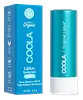
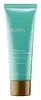
COOLA Organic Liplux Classic Sunscreen Lip Balm SPF 30 Versus Biossance Squalane + Zinc Sheer Mineral Sunscreen SPF 30 PA +++
This lip moisturizer is formulated around Aloe Barbadensis Leaf Extract to hydrate lips.
This hybrid sunscreen covers the full UV range and blocks ~97% of UVB at SPF 30.

What's inside
What's inside
 Key Ingredients
Benefits
Concerns
Ingredients Side-by-side
Butyl Methoxydibenzoylmethane 2.9%
UV Absorber
Ethylhexyl Salicylate 4.9%
UV Absorber
Octocrylene 7.6%
UV Absorber

Aloe Barbadensis Leaf Extract
Emollient


Astrocaryum Vulgare Kernel Oil
Skin Conditioning


Behenyl Behenate
EmollientButyloctyl Salicylate
Skin Conditioning
Caprylic/Capric Triglyceride
Masking

Carthamus Tinctorius Seed Oil
Masking
Cocos Nucifera Oil
Masking


Copernicia Cerifera Wax
Euphorbia Cerifera Wax
Aroma

Helianthus Annuus Seed Oil
Emollient
Linoleic Acid
Cleansing

Persea Gratissima Oil
Skin Conditioning
Phospholipids
Skin Conditioning
Phytosterols
Skin Conditioning
Polyhydroxystearic Acid
Emulsifying
Ricinus Communis Seed Oil
Masking
Rosa Canina Fruit Extract
Astringent
Rosmarinus Officinalis Leaf Extract
AntimicrobialRubus Idaeus Seed Oil
Emollient
Simmondsia Chinensis Seed Oil
Emollient
Stevia Rebaudiana Extract
Tetrahexyldecyl Ascorbate
Antioxidant




Theobroma Grandiflorum Seed Butter
Skin Conditioning
Tocopherol
Antioxidant

Butyl Methoxydibenzoylmethane 2.9%, Ethylhexyl Salicylate 4.9%, Octocrylene 7.6%, Aloe Barbadensis Leaf Extract, Astrocaryum Vulgare Kernel Oil, Behenyl Behenate, Butyloctyl Salicylate, Caprylic/Capric Triglyceride, Carthamus Tinctorius Seed Oil, Cocos Nucifera Oil, Copernicia Cerifera Wax, Euphorbia Cerifera Wax, Aroma, Helianthus Annuus Seed Oil, Linoleic Acid, Persea Gratissima Oil, Phospholipids, Phytosterols, Polyhydroxystearic Acid, Ricinus Communis Seed Oil, Rosa Canina Fruit Extract, Rosmarinus Officinalis Leaf Extract, Rubus Idaeus Seed Oil, Simmondsia Chinensis Seed Oil, Stevia Rebaudiana Extract, Tetrahexyldecyl Ascorbate, Theobroma Grandiflorum Seed Butter, Tocopherol
Zinc Oxide
Cosmetic Colorant
Water
Skin ConditioningCaprylic/Capric Triglyceride
Masking
Squalane
Emollient
Glycerin
Humectant
Cetearyl Alcohol
Emollient
Methyl Dihydroabietate
Sorbitan Olivate
Emulsifying
Coco-Glucoside
Cleansing
Cetyl Palmitate
Emollient
Polyglyceryl-3 Polyricinoleate
Emulsifying
Caprylyl/Capryl Glucoside
CleansingNymphaea Alba Flower Extract
Skin ConditioningAcacia Senegal Gum
MaskingEthyl Ferulate
Antioxidant
Xanthan Gum
EmulsifyingSodium Gluconate
ChelatingLecithin
Emollient
Sodium Palmitoyl Proline
Skin ConditioningPolyhydroxystearic Acid
Emulsifying
Ethylhexylglycerin
Skin ConditioningPhenoxyethanol
Preservative
Isostearic Acid
Cleansing
Zinc Oxide, Water, Caprylic/Capric Triglyceride, Squalane, Glycerin, Cetearyl Alcohol, Methyl Dihydroabietate, Sorbitan Olivate, Coco-Glucoside, Cetyl Palmitate, Polyglyceryl-3 Polyricinoleate, Caprylyl/Capryl Glucoside, Nymphaea Alba Flower Extract, Acacia Senegal Gum, Ethyl Ferulate, Xanthan Gum, Sodium Gluconate, Lecithin, Sodium Palmitoyl Proline, Polyhydroxystearic Acid, Ethylhexylglycerin, Phenoxyethanol, Isostearic Acid
Reviews
Ingredients Explained
These ingredients are found in both products.
Ingredients higher up in an ingredient list are typically present in a larger amount.
Caprylic/Capric Triglyceride (aka MCT Oil) is a lightweight emollient, solvent, and texture enhancer. It is considered a skin-softener by helping to prevent moisture loss.
Though it behaves like an oil, it is not technically one due to its chemical composition. One perk of this ingredient is that it is very stable, resistant to oxidation, and unlikely to go rancid.
In practice, that translates to a long shelf life and a consistently elegant skin feel.
While there is an assumption Caprylic Triglyceride can clog pores due to it being derived from coconut oil, there is no research supporting this. Just patch test if you have concerns.
Fractionated coconut oil and MCT Oil are both listed as Caprylic/Capric Triglyceride according to INCI. This is because INCI names are based on the ingredient’s final chemical composition and not its marketing name or source.
This ingredient is treated as the gold standard fungal acne safe oil. Even though it is coconut derived, the problematic lauric acid is stripped out.
This leaves just caprylic (C8) and capric (C10) acid. These chain lengths actually trend antifungal; a 2020 study found caprylic acid was enough to disrupt Malassezia furfur cell membrane, with a caprylic acid derivative damaging membrane structures at concentrations as low as 0.2%.
Learn more about Caprylic/Capric TriglyceridePolyhydroxystearic Acid is a vegetable-derived soft wax made from castor oil. It's an emulsion stabilizer, thickener, and film former.
You'll likely see it in sunscreens because it helps disperse pigments and UV-reflecting minerals like titanium dioxide and zinc oxide evenly.
Depending on the concentration, it can drastically change the texture of a product from pasty solid (like lipstick) to sprayable liquid.
The CIR Expert Panel for Cosmetic Ingredient Safety has concluded this ingredient to be safe in cosmetics. The highest reported use concentration is 14.2% in lipsticks.
Learn more about Polyhydroxystearic Acid

