
What's inside
What's inside
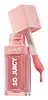 Key Ingredients
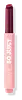
Benefits
Concerns
Ingredients Side-by-side
Polybutene
Octyldodecanol
Emollient
Pentaerythrityl Tetraisostearate
Emollient

Hydrogenated Polydecene
EmollientPalmitoyl Hexapeptide-12
Skin Conditioning

Ceramide Ng
Skin Conditioning



Aroma


Menthone Glycerin Acetal
Refreshing
Silica Dimethyl Silylate
EmollientSqualane
Emollient
Caprylic/Capric Triglyceride
Masking
Hydrogenated Styrene/Isoprene Copolymer
C12-15 Alkyl Benzoate
AntimicrobialSimmondsia Chinensis Seed Oil
Emollient

Phenoxyethanol
Preservative
Fragaria Ananassa Seed Oil
Antioxidant
Rubus Idaeus Seed Oil
Emollient
Tocopherol
Antioxidant



Tribehenin
Emollient
Caprylyl Glycol
Emollient
Ethylene/Propylene/Styrene Copolymer
Saccharin
MaskingEthylhexylglycerin
Skin ConditioningHexylene Glycol
EmulsifyingPEG-10 Phytosterol
EmulsifyingZingiber Officinale Root Extract
Masking
Diethylhexyl Syringylidenemalonate
Skin Protecting
Butylene/Ethylene/Styrene Copolymer
Pentaerythrityl Tetra-Di-T-Butyl Hydroxyhydrocinnamate
Antioxidant
Polybutene, Octyldodecanol, Pentaerythrityl Tetraisostearate, Hydrogenated Polydecene, Palmitoyl Hexapeptide-12, Ceramide Ng, Aroma, Menthone Glycerin Acetal, Silica Dimethyl Silylate, Squalane, Caprylic/Capric Triglyceride, Hydrogenated Styrene/Isoprene Copolymer, C12-15 Alkyl Benzoate, Simmondsia Chinensis Seed Oil, Phenoxyethanol, Fragaria Ananassa Seed Oil, Rubus Idaeus Seed Oil, Tocopherol, Tribehenin, Caprylyl Glycol, Ethylene/Propylene/Styrene Copolymer, Saccharin, Ethylhexylglycerin, Hexylene Glycol, PEG-10 Phytosterol, Zingiber Officinale Root Extract, Diethylhexyl Syringylidenemalonate, Butylene/Ethylene/Styrene Copolymer, Pentaerythrityl Tetra-Di-T-Butyl Hydroxyhydrocinnamate
Diisostearyl Malate
EmollientPhytosteryl/Isostearyl/Cetyl/Stearyl/Behenyl Dimer Dilinoleate
Skin Conditioning
Bis-Diglyceryl Polyacyladipate-2
Emollient
Polyglyceryl-2 Triisostearate
Emulsifying
Hydrogenated Polyisobutene
EmollientCeresin
Emulsion StabilisingPolyethylene
Abrasive

C12-15 Alkyl Benzoate
AntimicrobialRicinus Communis Seed Oil
Masking
Menthone Glycerin Acetal
Refreshing
Alumina
Abrasive
Microcrystalline Wax
Emulsion StabilisingAroma
Sodium Hyaluronate
Humectant
Caprylic/Capric Triglyceride
Masking
Tribehenin
Emollient
Phenoxyethanol
Preservative
Tocopheryl Acetate
Antioxidant
Caprylyl Glycol
Emollient
Diethylhexyl Syringylidenemalonate
Skin Protecting
Helianthus Annuus Seed Wax
Skin Conditioning
Ceramide Ng
Skin Conditioning
PEG-10 Phytosterol
EmulsifyingEthylhexylglycerin
Skin ConditioningHexylene Glycol
EmulsifyingTocopherol
Antioxidant
Zingiber Officinale Root Extract
Masking
Triethoxycaprylylsilane

Astrocaryum Tucuma Seed Butter
Emollient
Palmitoyl Hexapeptide-12
Skin Conditioning
Silica
Abrasive

CI 42090
Cosmetic ColorantIron Oxides
CI 15850
Cosmetic ColorantCI 77891
Cosmetic ColorantDiisostearyl Malate, Phytosteryl/Isostearyl/Cetyl/Stearyl/Behenyl Dimer Dilinoleate, Bis-Diglyceryl Polyacyladipate-2, Polyglyceryl-2 Triisostearate, Hydrogenated Polyisobutene, Ceresin, Polyethylene, C12-15 Alkyl Benzoate, Ricinus Communis Seed Oil, Menthone Glycerin Acetal, Alumina, Microcrystalline Wax, Aroma, Sodium Hyaluronate, Caprylic/Capric Triglyceride, Tribehenin, Phenoxyethanol, Tocopheryl Acetate, Caprylyl Glycol, Diethylhexyl Syringylidenemalonate, Helianthus Annuus Seed Wax, Ceramide Ng, PEG-10 Phytosterol, Ethylhexylglycerin, Hexylene Glycol, Tocopherol, Zingiber Officinale Root Extract, Triethoxycaprylylsilane, Astrocaryum Tucuma Seed Butter, Palmitoyl Hexapeptide-12, Silica, CI 42090, Iron Oxides, CI 15850, CI 77891
Reviews
Ingredients Explained
These ingredients are found in both products.
Ingredients higher up in an ingredient list are typically present in a larger amount.
Aroma refers to an ingredient, or mixture of ingredients, that impart or mask a flavor.
The name is slightly confusing. This is because INCI associates aroma with flavor instead of smell.
Here is the official definition from the The International Cosmetic Ingredient Dictionary and Handbook:
“Aroma is a term for ingredient labeling used to identify that a product contains a material or combination of materials normally added to a cosmetic to produce or to mask a particular flavor.”
INCI shows the only purpose of aroma to be "flavouring".
However, due to regulation differences, some companies may use aroma in place of parfum.
In Canada, this ingredient only has to be listed in concentrations above 1%.
Learn more about AromaC12-15 Alkyl Benzoate is a lightweight emollient made by combinig benzoic acid with fatty alcohols that are 12-15 carbons long.
In cosmetics, it plays several roles:
The Cosmetic Review Expert Panel has concluded the alkyl benzoate group to be safe as used in cosmetics; it wasn't found to be a skin irritant and unlikely to be absorbed due to its low water solubility.
This report recorded almost 1000 reported uses with concentrations up to 59% in leave-on products but your cosmetics will typically use 0.5-15% depending on the product.
It's often called a "SPF booster": this is because it keeps UV filters properly dissolved and evenly distributed to support a sunscreen's performance. It doesn't actually raise SPF on its own.
Overall, this ingredient is well tolerated.
This ingredient is fungal acne safe because it is an ester of benzoic acid.
Think of this ingredient as two parts stuck together: an oily part and an acid part. Malassezia only gets a meal when it can snip off a fatty acid to eat. With C12-15 Alkyl Benzoate, the acid part is benzoic acid, which isn't a fatty acid and which the yeast can't use as food.
Benzoic acid is actually used as a preservative to stop yeast from growing.
The oily part is a blend of C12-15 fatty alcohols but fatty alcohols in this size range can support only a little Malassezia growth (mostly for one species of Malassezia as well).
In the ingredient, those alcohols stay locked inside the molecule. The yeast can only reach them by snipping the benzoate bond, and that type of bond is harder for it to cut than a normal fatty bond.
So not much gets released. And whatever does get snipped comes packaged with benzoic acid, which discourages yeast growth.
Learn more about C12-15 Alkyl BenzoateCaprylic/Capric Triglyceride (aka MCT Oil) is a lightweight emollient, solvent, and texture enhancer. It is considered a skin-softener by helping to prevent moisture loss.
Though it behaves like an oil, it is not technically one due to its chemical composition. One perk of this ingredient is that it is very stable, resistant to oxidation, and unlikely to go rancid.
In practice, that translates to a long shelf life and a consistently elegant skin feel.
While there is an assumption Caprylic Triglyceride can clog pores due to it being derived from coconut oil, there is no research supporting this. Just patch test if you have concerns.
Fractionated coconut oil and MCT Oil are both listed as Caprylic/Capric Triglyceride according to INCI. This is because INCI names are based on the ingredient’s final chemical composition and not its marketing name or source.
This ingredient is treated as the gold standard fungal acne safe oil. Even though it is coconut derived, the problematic lauric acid is stripped out.
This leaves just caprylic (C8) and capric (C10) acid. These chain lengths actually trend antifungal; a 2020 study found caprylic acid was enough to disrupt Malassezia furfur cell membrane, with a caprylic acid derivative damaging membrane structures at concentrations as low as 0.2%.
Learn more about Caprylic/Capric TriglycerideCaprylyl Glycol is a humectant, skin conditioner, emollient, and preservative booster derived from either caprylic acid or synthetically created.
Typical use levels vary from 0.3-1% as a preservative booster and go up to 2% to condition skin.
Because it is not a free-fatty acid, this ingredient is fungal acne safe (there's nothing for Malassezia to feed on).
Learn more about Caprylyl GlycolCeramide NG is a type of Ceramide. The NG stands for a sphinganine base.
Ceramides are intercellular lipids naturally found in our skin that bonds dead skin cells together to create a barrier. They are known for their ability to hold water and thus are a great ingredient for dry skin.
Ceramides are an important building block for our skin barrier. A stronger barrier helps the skin look more firm and hydrated. By bolstering the skin ceramides act as a barrier against irritating ingredients. This can help with inflammation as well.
If you would like to eat ceramides, sweet potatoes contain a small amount.
Read more about other common types of ceramides here:
Ceramide AP
Ceramide EOP
Ceramide NP
Diethylhexyl Syringylidenemalonate (DESM) is a photostabilizer, antioxidant, and SPF booster.
One of DESM's main roles is stabilizing UV filters, especially avobenzone. Avobenzone is notoriously unstable when exposed to sunlight. By enhancing the stability of these filters, DESM helps maintain the sunscreen's effectivess through wear. It also helps improve protection against long-wave UVA rays by increasing the wavelength of the formula.
Besides enhancing UVA protection, DESM can boost the SPF of high-SPF formulations by up to 5 units.
DESM also preserves the color integrity of cosmetic products and helps reduce the chance of yellowing of fading due to light exposure.
This ingredient is typically found in concentrations between 0.3% - 0.5%. There are currently no maximum usage limits by regulatory bodies.
Though this ingredient is a chemical UV filter, it can often be found in "100% mineral" sunscreens. This is due to regulatory loopholes.
Learn more about Diethylhexyl SyringylidenemalonateEthylhexylglycerin is created from glycerin. It is a multitasker ingredient that:
The CIR Expert Panel found minimal skin absorption or sensitization of any kind in a safety assessment. Though this ingredient is considered well-tolerated, a small number of cases of allergic dermatitis have been published since 2002. Just be sure to patch test if you are unsure.
Industry-reported use ranges from 8% in rinse-off products and 2% in leave-on formulations.
Learn more about EthylhexylglycerinHexylene Glycol is a multitasker ingredient that works as a solvent, humectant, emulsifier, viscosity reducer, and preservative booster.
It is able to dissolve both water and oil-soluble ingredients to stabilize tricky actives and make products spread more easily.
As a humectant, it pulls water into the skin. But it's a pretty minor moisturizing ingredient compared to other humectants, like glycerin.
Interestingly, it can act as a mild penetration enhancer. One in vitro study on human skin found a 12% concentration upped the absorption of mometasone furoate (a medicinal ingredient used to treat inflammatory skin conditions) up to 7%.
This ingredient is typically used at levels of 0.1-10% depending on the role it's playing.
A patch test study on eczema patients didn't find a significant increase in irritation versus the control group, but the potential for irritation rises at higher concentrations.
Learn more about Hexylene GlycolMenthone Glycerin Acetal can worsen rosacea.
Palmitoyl Hexapeptide-12 is a synthetic lipopeptide. This just means it's a short chain of six amino acids with a palmitic acid molecule attached to one end.
The palmitoyl group increases the lipophilicity, helping it penetrate the lipid-rich outer layer of skin more effectively.
Once inside, it helps with keeping skin springy and firm. It works by mimicking the skin repair signals your skin naturally sends out when it's damaged and telling it to kick into rebuild mode.
Studies have shown it can help strengthen the skin barrier as well so it's useful beyond just anti-aging.
In vitro studies suggest it can switch on genes that help skin cells grow, move around, and rebuild skin structure. Just keep in mind most of the strong evidence is from lab studies rather than large-scale clinical trials.
Lab studies suggest it can switch on genes that help skin cells grow, move around, and rebuild skin structure.
This ingredient is usually used at very low concentrations (0.002% in leave-on products).
Fungal acne note:
Usually a palmitic acid component can feed Malassezia in unbound form, but here is is covalently bonded to the peptide. This means it is very difficult for Malassezia to access, and therefore very unlikely to cause fungal acne.
We don't have a description for PEG-10 Phytosterol yet.
Phenoxyethanol is one of the most widely used preservatives in skincare (and for good reason!).
It has a large spectrum of antimicrobial activity and especially effective bacteria, yeast, and mold while only having a weak effect on your skin's natural microbiome.
On a cellular level, it disrupts the cell membranes of microbes by poking holes that make the cell leak. This shuts down the chemical reactions the microbe needs to make energy so it can no longer survive.
Another perk of this ingredient is that it stays functional across a wide pH range (3-10).
You'll often see it paired with boosters like Ethylhexylglycerin; one study showed that a 1:9 ratio of Ethylhexylglycerin to Phenoxyethanol damages bacterial membranes as effectively as doubling the Phenoxyethanol concentration on its own.
Typical use concentrations range from 0.3-1% depending on the formula, and this ingredient is capped at 1% int the EU.
Safety-wise, the fear mongering does not hold up to the evidence. The EU's Scientific Committee on Consumer Safety and FDA consider it safe as a preservative at up to 1%, including for children of all ages.
Adverse systemic effects only showed up in animal studies at exposures roughly 200x higher than what people get from cosmetics. And despite its very widespread use, this ingredient is a rare sensitizer and allergic reactions are uncommon.
Learn more about PhenoxyethanolTocopherol is a fat-soluble antioxidant known as Vitamin E.
You'll find this ingredient in the vast majority of skincare (for good reason). It works to neutralize free radicals, or unstable molecules generated by UV exposure, pollution, and other environmental stressors, before they can cause oxidative damage to your skin cells.
Topically applied tocopherol has been shown to protect against UV damage by ramping up the skin's own natural defense enzymes.
It also acts as a skin conditioning agent; some studies show that regular topical use can improve the skin's water-binding capacity over 2-4 weeks.
This ingredient is especially loved for being a team player. When combined with Vitamin C, the photoprotective effect of both ingredients roughly doubles and the combo also helps reduce UV-induced DNA damage.
This ingredient has some brightening potential but it's more of a prevention ingredient than spot-fader. Cell studies show it can slow down melanin production but it's worth noting that it's not the most powerful brightener out there.
In formulations, it also serves as a stabilizer that helps protect other oxidation-prone ingredients from degrading.
Concentrations usually range from 0.1-1% in most leave-on products.
Learn more about TocopherolTribehenin is the triglyceride of glycerin and behenic acid. It is an emollient that helps soften and condition skin.
Safety-wise, this is a well-vetted ingredient. Repeated-insult patch tests of 0.38% tribehenin did not trigger sensitization.
This ingredient may not be fungal acne safe because behenic acid falls into the chain-length range that Malassezia yeasts can feed on.
Learn more about TribeheninZingiber Officinale is more commonly known as ginger.
Ginger root has antioxidant, anti-inflammation, and antimicrobial properties.
The antioxidant properties help protect your body from free-radicals. Free-radicals are molecules that may damage your skin cells. As a result, ginger may help slow down signs of aging such as hyperpigmentation and wrinkles.
Studies show ginger inhibits the enzyme that breaks down collagen. It also helps with:
This ingredient has no negative side-effects and is safe to use unless one has a specific allergy to it.
Ginger originates from Southeast Asia but has spread throughout the world. It is now a common spice used in many cultures.
Learn more about Zingiber Officinale Root Extract

