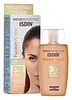
This chemical sunscreen covers the full UV range and blocks ~98% of UVB at SPF 50.


What's inside
What's inside
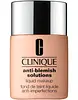 Key Ingredients
Benefits
Concerns
Ingredients Side-by-side
Water
Skin ConditioningMethyl Trimethicone
Skin Conditioning
Nylon-12


Butylene Glycol
Humectant

Alcohol Denat.
Antimicrobial




PEG-10 Dimethicone
Skin Conditioning
Dimethicone
Emollient
Silica
Abrasive

Trimethylsiloxysilicate
Emollient
Hamamelis Virginiana Water
Astringent
Trehalose
Humectant
Calcium Stearate
Cosmetic ColorantSalicylic Acid
Masking




Zinc PCA
Humectant

Algae Extract
Emollient
Lactobacillus Ferment
Skin Conditioning
Laminaria Saccharina Extract
Skin Protecting
Glycyrrhetinic Acid
Skin Conditioning
Glycerin
Humectant
Caffeine
Skin Conditioning
Dimethicone/Vinyl Dimethicone Crosspolymer
Skin Conditioning
Methicone
Emollient
Lauryl PEG-9 Polydimethylsiloxyethyl Dimethicone
Skin Conditioning
Isohexadecane
Emollient10-Hydroxydecanoic Acid
Skin ConditioningDimethicone/PEG-10/15 Crosspolymer
Sodium Chloride
MaskingDipropylene Glycol
HumectantTromethamine
BufferingLecithin
Emollient
Sorbitan Sesquioleate
Emulsifying
Propylene Carbonate
SolventDisteardimonium Hectorite
StabilisingTocopherol
Antioxidant


Sodium Citrate
BufferingDisodium EDTA
ChelatingPhenoxyethanol
Preservative
Benzoic Acid
Masking
Potassium Sorbate
Preservative
Mica
Cosmetic ColorantCI 77891
Cosmetic ColorantCI 77491
Cosmetic ColorantCI 77492
Cosmetic ColorantCI 77499
Cosmetic ColorantWater, Methyl Trimethicone, Nylon-12, Butylene Glycol, Alcohol Denat., PEG-10 Dimethicone, Dimethicone, Silica, Trimethylsiloxysilicate, Hamamelis Virginiana Water, Trehalose, Calcium Stearate, Salicylic Acid, Zinc PCA, Algae Extract, Lactobacillus Ferment, Laminaria Saccharina Extract, Glycyrrhetinic Acid, Glycerin, Caffeine, Dimethicone/Vinyl Dimethicone Crosspolymer, Methicone, Lauryl PEG-9 Polydimethylsiloxyethyl Dimethicone, Isohexadecane, 10-Hydroxydecanoic Acid, Dimethicone/PEG-10/15 Crosspolymer, Sodium Chloride, Dipropylene Glycol, Tromethamine, Lecithin, Sorbitan Sesquioleate, Propylene Carbonate, Disteardimonium Hectorite, Tocopherol, Sodium Citrate, Disodium EDTA, Phenoxyethanol, Benzoic Acid, Potassium Sorbate, Mica, CI 77891, CI 77491, CI 77492, CI 77499
Water
Skin ConditioningOctocrylene
UV Absorber
Propanediol
Solvent
Butyl Methoxydibenzoylmethane
UV Absorber
Ethylhexyl Salicylate
UV Absorber
Polymethyl Methacrylate
CI 77891
Cosmetic ColorantPhenylbenzimidazole Sulfonic Acid
UV Absorber
Polysilicone-15
UV Filter
Caprylic/Capric Triglyceride
Masking
Hydrogenated Polydecene
EmollientPropylene Glycol Dicaprylate/Dicaprate
EmollientTromethamine
BufferingBis-Ethylhexyloxyphenol Methoxyphenyl Triazine
UV Absorber
Silica
Abrasive
CI 77492
Cosmetic Colorant1,2-Hexanediol
Skin Conditioning
Hydroxyacetophenone
Antioxidant
Magnesium Aluminum Silicate
Absorbent
Polysorbate 60
Emulsifying
Disteardimonium Hectorite
StabilisingCaprylyl Glycol
Emollient
Tocopheryl Acetate
Antioxidant
Xanthan Gum
EmulsifyingCI 77491
Cosmetic ColorantPropylene Carbonate
SolventCI 77499
Cosmetic ColorantDisodium EDTA
ChelatingParfum
Masking

Aluminum Hydroxide
EmollientPEG-8
HumectantSodium Lauroyl Glutamate
SurfactantLysine
Skin ConditioningTocopherol
Antioxidant
Magnesium Chloride
Ascorbyl Palmitate
Antioxidant
Ascorbic Acid
Antioxidant
Citric Acid
Buffering
Water, Octocrylene, Propanediol, Butyl Methoxydibenzoylmethane, Ethylhexyl Salicylate, Polymethyl Methacrylate, CI 77891, Phenylbenzimidazole Sulfonic Acid, Polysilicone-15, Caprylic/Capric Triglyceride, Hydrogenated Polydecene, Propylene Glycol Dicaprylate/Dicaprate, Tromethamine, Bis-Ethylhexyloxyphenol Methoxyphenyl Triazine, Silica, CI 77492, 1,2-Hexanediol, Hydroxyacetophenone, Magnesium Aluminum Silicate, Polysorbate 60, Disteardimonium Hectorite, Caprylyl Glycol, Tocopheryl Acetate, Xanthan Gum, CI 77491, Propylene Carbonate, CI 77499, Disodium EDTA, Parfum, Aluminum Hydroxide, PEG-8, Sodium Lauroyl Glutamate, Lysine, Tocopherol, Magnesium Chloride, Ascorbyl Palmitate, Ascorbic Acid, Citric Acid
Reviews
Ingredients Explained
These ingredients are found in both products.
Ingredients higher up in an ingredient list are typically present in a larger amount.
Ci 77491 is also hydrated iron III oxide. It's sole purpose is to give a red/pink hue to products.
Iron III oxides are classified as inorganic chemicals for coloring.
Synthetically created Ci 77491 is considered safer than those naturally found. This is because the synthetically created version may contain less impurities. Iron oxides are generally non-toxic and non-allergenic.
Learn more about CI 77491CI 77492 is also hydrated iron III oxide. It's sole purpose is to give a yellow hue to products.
Iron III oxides are classified as inorganic chemicals for coloring.
Synthetically created CI 77492 is considered safer than those naturally found. This is because the synthetically created version may contain less impurities. Iron oxides are generally non-toxic and non-allergenic.
Learn more about CI 77492Ci 77499 is also hydrated iron III oxide. It is created from mixing red and black iron oxides. This helps give shades of darkness to a product.
Iron III oxides are classified as inorganic chemicals for coloring.
Ci 77891 is a white pigment from Titanium dioxide. It is naturally found in minerals such as rutile and ilmenite.
It's main function is to add a white color to cosmetics. It can also be mixed with other colors to create different shades.
Ci 77891 is commonly found in sunscreens due to its ability to block UV rays.
Learn more about CI 77891Disodium EDTA is a chelating agent. It grabs onto and deactivates metal ions that sneak into your products from water, packaging, or air.
This ingredient mainly works behind the scenes and helps with:
On top of that, this ingredient can counteract the effects of hard water by binding to the minerals in it.
One thing worth knowing is that Disodium EDTA has been shown to be a mild penetration enhancer. It can help other ingredients absorb into skin more effectively which can be a double-edged sword (great for actives, but can also make the active too strong if you have sensitive skin).
Clinical patch testing showed no significant skin irritation at typical use concentrations and minimal dermal absorption.
You'll most likely see this ingredient near the end of an ingredient list. It's typically found in concentrations less than 1%.
Learn more about Disodium EDTADisteardimonium Hectorite comes from the clay mineral named hectorite. It is used to add thickness to a product.
It can also help stabilize a product by helping to disperse other ingredients.
Hectorite is a rare, white clay mineral.
Learn more about Disteardimonium HectoriteThis ingredient is a solvent. It helps dissolve active ingredients and alter the texture of products.
Propylene Carbonate is commonly used in makeup and with clay, such as montmorillonite or bentonite.
Studies show this ingredient to be safe for cosmetics. When it is undiluted, it can cause skin irritation. (It is always diluted in skincare and makeup). This ingredient is water-soluble.
Propylene Carbonate is created from propylene glycol and carbonic acid.
Learn more about Propylene CarbonateSilica, also known as silicon dioxide, is a naturally occurring mineral. It is used as a fine, spherical, and porous powder in cosmetics.
Though it has exfoliant properties, the function of silica varies depending on the product.
The unique structure of silica enhances the spreadability and adds smoothness, making it a great texture enhancer.
It is also used as an active carrier, emulsifier, and mattifier due to its ability to absorb excess oil.
In some products, tiny microneedles called spicules are made from silica or hydrolyzed sponge. When you rub them in, they lightly polish away dead skin layers and enhance the penetration of active ingredients.
Learn more about SilicaTocopherol is a fat-soluble antioxidant known as Vitamin E.
You'll find this ingredient in the vast majority of skincare (for good reason). It works to neutralize free radicals, or unstable molecules generated by UV exposure, pollution, and other environmental stressors, before they can cause oxidative damage to your skin cells.
Topically applied tocopherol has been shown to protect against UV damage by ramping up the skin's own natural defense enzymes.
It also acts as a skin conditioning agent; some studies show that regular topical use can improve the skin's water-binding capacity over 2-4 weeks.
This ingredient is especially loved for being a team player. When combined with Vitamin C, the photoprotective effect of both ingredients roughly doubles and the combo also helps reduce UV-induced DNA damage.
This ingredient has some brightening potential but it's more of a prevention ingredient than spot-fader. Cell studies show it can slow down melanin production but it's worth noting that it's not the most powerful brightener out there.
In formulations, it also serves as a stabilizer that helps protect other oxidation-prone ingredients from degrading.
Concentrations usually range from 0.1-1% in most leave-on products.
Learn more about TocopherolTromethamine (aka THAM) is a synthetic amino acid that shows up in skincare as a helper ingredient.
It functions as a pH adjuster to help neutralize acidic ingredients and set a formula's pH to the right spot.
This matters a lot because a lot of actives (like vitamin C) needs a specific pH to work well and feel comfortable on skin.
Concentration use ranges from 0.1-1.0% depending on the formula.
Learn more about TromethamineWater. It's the most common cosmetic ingredient of all. You'll usually see it at the top of ingredient lists, meaning that it makes up the largest part of the product.
So why is it so popular? Water most often acts as a solvent - this means that it helps dissolve other ingredients into the formulation.
You'll also recognize water as that liquid we all need to stay alive. If you see this, drink a glass of water. Remember to stay hydrated!
Learn more about Water

