This anti-aging ampoule is formulated around Bakuchiol and Retinal to soften the look of wrinkles and refine skin texture.
This anti-aging serum is formulated around Retinal and Niacinamide to soften the look of wrinkles and refine skin texture.


What's inside
What's inside
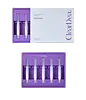 Key Ingredients
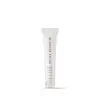
Benefits
Concerns
Ingredients Side-by-side
Water
Skin ConditioningGlycerin
Humectant


Caprylic/Capric Triglyceride
Masking
Dipropylene Glycol
Humectant1,2-Hexanediol
Skin Conditioning
Niacinamide
Smoothing









Glycereth-26
Humectant
Polyglyceryl-3 Methylglucose Distearate
Emulsifying

Vinyldimethicone

Hydrogenated Lecithin
Emulsifying
Sorbitan Stearate
Emulsifying
Carbomer
Emulsion StabilisingTromethamine
BufferingAmmonium Acryloyldimethyltaurate/Vp Copolymer
Panthenol
Skin Conditioning
Bakuchiol
Antimicrobial

Helianthus Annuus Seed Oil
Emollient
Tocopherol
Antioxidant
Ethylhexylglycerin
Skin ConditioningHydrolyzed Sponge
Skin ConditioningAdenosine
Skin Conditioning
Disodium EDTA
Butylene Glycol
Humectant
Dioscorea Villosa Root Extract
Skin Conditioning
Abelmoschus Esculentus Fruit Extract
Skin ConditioningNelumbo Nucifera Root Extract
Skin ConditioningButyrospermum Parkii Butter
Skin Conditioning


Olea Europaea Fruit Oil
Masking
Glucose
Humectant
Ceramide NP
Skin Conditioning
Glycolipids
Skin ConditioningRetinal
Skin Conditioning

Atelocollagen
Skin Conditioning
Desamido Collagen
Skin Conditioning
Hydrolyzed Collagen
Emollient
Soluble Collagen
Humectant
Collagen
Moisturising
Collagen Amino Acids
Moisturising
Procollagen
Skin Conditioning
Water, Glycerin, Caprylic/Capric Triglyceride, Dipropylene Glycol, 1,2-Hexanediol, Niacinamide, Glycereth-26, Polyglyceryl-3 Methylglucose Distearate, Vinyldimethicone, Hydrogenated Lecithin, Sorbitan Stearate, Carbomer, Tromethamine, Ammonium Acryloyldimethyltaurate/Vp Copolymer, Panthenol, Bakuchiol, Helianthus Annuus Seed Oil, Tocopherol, Ethylhexylglycerin, Hydrolyzed Sponge, Adenosine, Disodium EDTA, Butylene Glycol, Dioscorea Villosa Root Extract, Abelmoschus Esculentus Fruit Extract, Nelumbo Nucifera Root Extract, Butyrospermum Parkii Butter, Olea Europaea Fruit Oil, Glucose, Ceramide NP, Glycolipids, Retinal, Atelocollagen, Desamido Collagen, Hydrolyzed Collagen, Soluble Collagen, Collagen, Collagen Amino Acids, Procollagen
Camellia Sinensis Leaf Extract
Antimicrobial
Glycerin
Humectant
Niacinamide
Smoothing
Lactic Acid
Buffering
Pentylene Glycol
Skin Conditioning
Butylene Glycol
Humectant
Hydrolyzed Jojoba Esters
Skin Conditioning
Polyacrylate Crosspolymer-6
Emulsion StabilisingPolysorbate 20
Emulsifying
Hippophae Rhamnoides Fruit Extract
Skin Conditioning
Hibiscus Sabdariffa Flower Extract
Skin ConditioningCalendula Officinalis Flower Extract
Masking
Chamomilla Recutita Flower Extract
Masking
Sodium Hyaluronate
Humectant
Hydroxypropyl Cyclodextrin
MaskingPalmitoyl Tripeptide-5
Skin Conditioning
Palmitoyl Tripeptide-38
Skin Conditioning
Beta-Glucan
Skin Conditioning
1,2-Hexanediol
Skin Conditioning
Caprylyl Glycol
Emollient
Cyclodextrin
AbsorbentRubus Chamaemorus Seed Oil
Skin Conditioning
Retinal
Skin Conditioning
Lonicera Japonica Flower Extract
Skin ConditioningLonicera Caprifolium Flower Extract
Perfuming
Citrus Aurantium Bergamia Fruit Oil
Masking
Benzyl Alcohol
Perfuming



Benzoic Acid
Masking
Dehydroacetic Acid
Preservative
Phytic Acid
Sodium Hydroxide
BufferingCamellia Sinensis Leaf Extract, Glycerin, Niacinamide, Lactic Acid, Pentylene Glycol, Butylene Glycol, Hydrolyzed Jojoba Esters, Polyacrylate Crosspolymer-6, Polysorbate 20, Hippophae Rhamnoides Fruit Extract, Hibiscus Sabdariffa Flower Extract, Calendula Officinalis Flower Extract, Chamomilla Recutita Flower Extract, Sodium Hyaluronate, Hydroxypropyl Cyclodextrin, Palmitoyl Tripeptide-5, Palmitoyl Tripeptide-38, Beta-Glucan, 1,2-Hexanediol, Caprylyl Glycol, Cyclodextrin, Rubus Chamaemorus Seed Oil, Retinal, Lonicera Japonica Flower Extract, Lonicera Caprifolium Flower Extract, Citrus Aurantium Bergamia Fruit Oil, Benzyl Alcohol, Benzoic Acid, Dehydroacetic Acid, Phytic Acid, Sodium Hydroxide
Ingredients Explained
These ingredients are found in both products.
Ingredients higher up in an ingredient list are typically present in a larger amount.
1,2-Hexanediol is a synthetic liquid and another multi-functional powerhouse.
It is a:
- Humectant, drawing moisture into the skin
- Emollient, helping to soften skin
- Solvent, dispersing and stabilizing formulas
- Preservative booster, enhancing the antimicrobial activity of other preservatives
Butylene Glycol (or BG) is used within cosmetic products for a few different reasons:
Overall, Butylene Glycol is a safe and well-rounded ingredient that works well with other ingredients.
Though this ingredient works well with most skin types, some people with sensitive skin may experience a reaction such as allergic rashes, closed comedones, or itchiness.
Learn more about Butylene GlycolGlycerin (or glycerol) is a compound naturally found in your skin. It's a powerhouse humectant that pulls water into the stratum corneum.
Topically, glycerin does several things at once:
Your skin makes glycerin on its own (mostly from sebaceous oil breakdown) and shuttles it to your outermost layer of skin, or your epidermis, via aquaporin-3.
Aquaporin-3 is a transporter that is essential for normal skin hydration, elasticity, and repair. Interestingly, mice lacking in AQP3 have dry and less elastic skin that can be fully corrected with glycerin.
This ingredient is non-irritating, plays well with almost every ingredient, and works across all skin types. Typical use is anywhere between 3-10% but can go up to 79% in some leave-on products.
Just know very high concentrations (>40%) can feel tacky in low humidity.
Glycerin is the name for this ingredient in American English. British English uses Glycerol/Glycerine.
Learn more about GlycerinNiacinamide is a multitasking form of vitamin B3 that strengthens the skin barrier, reduces pores and dark spots, regulates oil, and improves signs of aging.
And the best part? It's gentle and well-tolerated by most skin types, including sensitive and reactive skin.
You might have heard of "niacin flush", or the reddening of skin that causes itchiness. Niacinamide has not been found to cause this.
In very rare cases, some individuals may not be able to tolerate niacinamide at all or experience an allergic reaction to it.
If you are experiencing flaking, irritation, and dryness with this ingredient, be sure to double check all your products as this ingredient can be found in all categories of skincare.
When incorporating niacinamide into your routine, look out for concentration amounts. Typically, 5% niacinamide provides benefits such as fading dark spots. However, if you have sensitive skin, it is better to begin with a smaller concentration.
When you apply niacinamide to your skin, your body converts it into nicotinamide adenine dinucleotide (NAD). NAD is an essential coenzyme that is already found in your cells as "fuel" and powers countless biological processes.
In your skin, NAD helps repair cell damage, produce new healthy cells, support collagen production, strengthen the skin barrier, and fight environmental stressors (like UV and pollution).
Our natural NAD levels start to decline with age, leading to slower skin repair, visible aging, and a weaker skin barrier. By providing your skin niacinamide, you're recharging your skin's NAD levels. This leads to stronger, healthier, and younger looking skin.
Another name for vitamin B3 is nicotinamide. This vitamin is water-soluble and our bodies don't store it. We obtain Vitamin B3 from either food or skincare. Meat, fish, wheat, yeast, and leafy greens contain vitamin B3.
The type of niacinamide used in skincare is synthetically created.
Learn more about NiacinamideRetinal (aka retinaldehyde) is a form of retinoid that formulators use mainly as an antiaging and skin-renewing active.
What makes it special is its position in the retinoid family; skin converts it to retinoic acid (the prescription gold standard) in just one step.
Because retinal only requires 1 conversion step to become retinoic acid, it's the strongest over-the-counter retinoid. It also works at lower concentrations than retinol, since retinal is about 10x more bioavailable.
Studies back up its efficacy in skin:
A foundational trial showed that applying 0.05-0.5% retinal for 1-3 months produced a dose-dependent and significant increase in epidermal thickness + cell turnover markers.
And a head-to-head comparison of 0.05% retinal against a 0.05% retinoid acid found both formulations were effective for the basis of wrinkle/skin roughness features, but retinoic acid caused more local irritation.
More recent controlled trials confirm it improves wrinkles, dermal density, and firmness over 12-24 weeks, with significant improvements in skin texture and firmness (particularly with the higher 0.1% concentration).
Retinal also has one trick the other retinoids do not: it directly fights against acne bacteria since a clinical study showed retinaldehyde-treated areas displayed a significant decrease in counts of viable P. acnes.
This makes it a great pick for people who want to treat aging and breakouts.
Typical cosmetic use sits in the 0.05-0.1% range with 0.05% being the gentle starting point and 0.1% giving stronger results.
Like all retinoids, retinal works best with nightly use, a good moisturizer, and daytime sunscreen. It can cause some irritation so ease into it slowly rather than going all in.
The "ramp up" method works well: start with Retinal once a week to give your skin time to adjust, which keeps irritation low.
Slowly add more nights until you reach your goal frequency once your skin feels comfortable.
Retinoids also make your skin more sensitive to the sun in the first few weeks, so wear sunscreen every morning and protect your skin from direct sun while you build up tolerance.
Learn more about Retinal

