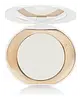
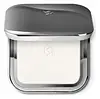
Charlotte Tilbury Airbrush Brightening Flawless Finish Powder Versus KIKO Milano Universal Veil Finishing Powder


What's inside
What's inside
 Key Ingredients
Benefits
Concerns
Ingredients Side-by-side
Talc
Abrasive
Mica
Cosmetic ColorantMethyl Methacrylate Crosspolymer

Silica
Abrasive
Dimethicone
Emollient

Nylon-12

Lauroyl Lysine
Skin Conditioning
Zinc Stearate
Cosmetic ColorantCaprylic/Capric Glycerides
EmollientPentaerythrityl Tetraisostearate
Emollient

Water
Skin ConditioningEthylhexylglycerin
Skin ConditioningPotassium Sorbate
Preservative
Dimethiconol
Emollient
Sodium Hyaluronate
Humectant




Collagen Amino Acids
Moisturising
Sorbitol
Humectant
Leuconostoc/Radish Root Ferment Filtrate
Antimicrobial
Propanediol
Solvent
Humulus Lupulus Oil
Masking
1,2-Hexanediol
Skin Conditioning
Caprylyl Glycol
Emollient
Xanthan Gum
EmulsifyingAscorbic Acid
Antioxidant




Colloidal Gold
AntimicrobialGlutathione
Tin Oxide
Abrasive
CI 77891
Cosmetic ColorantIron Oxides
Talc, Mica, Methyl Methacrylate Crosspolymer, Silica, Dimethicone, Nylon-12, Lauroyl Lysine, Zinc Stearate, Caprylic/Capric Glycerides, Pentaerythrityl Tetraisostearate, Water, Ethylhexylglycerin, Potassium Sorbate, Dimethiconol, Sodium Hyaluronate, Collagen Amino Acids, Sorbitol, Leuconostoc/Radish Root Ferment Filtrate, Propanediol, Humulus Lupulus Oil, 1,2-Hexanediol, Caprylyl Glycol, Xanthan Gum, Ascorbic Acid, Colloidal Gold, Glutathione, Tin Oxide, CI 77891, Iron Oxides
Water
Skin ConditioningPentylene Glycol
Skin Conditioning
Glycerin
Humectant
C12-15 Alkyl Benzoate
AntimicrobialDicaprylyl Ether
Emollient
Cera Alba
Emollient


Polyglyceryl-3 Diisostearate
Emulsifying
Phenoxyethanol
Preservative
Synthetic Fluorphlogopite
Polyglyceryl-2 Dipolyhydroxystearate
Skin Conditioning
Hydrogenated Castor Oil
Emollient
Caprylic/Capric Triglyceride
Masking
Oryza Sativa Starch
AbsorbentCarbomer
Emulsion StabilisingCaprylyl Glycol
Emollient
Parfum
Masking


Sodium Hydroxide
BufferingEthylhexylglycerin
Skin ConditioningHexylene Glycol
EmulsifyingTheobroma Cacao Seed Butter
Emollient
Hydroxypropyl Guar
Emulsion StabilisingPEG/PPG-20/6 Dimethicone
Emulsifying
Ammonium Acryloyldimethyltaurate/Beheneth-25 Methacrylate Crosspolymer
Emulsion StabilisingSodium Hyaluronate
Humectant
Disodium EDTA
Tin Oxide
Abrasive
Althaea Officinalis Root Extract
Skin Conditioning
Propylene Glycol
Humectant
Tocopherol
Antioxidant
Potassium Sorbate
Preservative
Sodium Benzoate
Masking
Ammonium C6-16 Perfluoroalkylethyl Phosphate
EmulsifyingPentaerythrityl Tetra-Di-T-Butyl Hydroxyhydrocinnamate
Antioxidant
Triisopropanolamine
BufferingCI 77891
Cosmetic ColorantCI 77491
Cosmetic ColorantWater, Pentylene Glycol, Glycerin, C12-15 Alkyl Benzoate, Dicaprylyl Ether, Cera Alba, Polyglyceryl-3 Diisostearate, Phenoxyethanol, Synthetic Fluorphlogopite, Polyglyceryl-2 Dipolyhydroxystearate, Hydrogenated Castor Oil, Caprylic/Capric Triglyceride, Oryza Sativa Starch, Carbomer, Caprylyl Glycol, Parfum, Sodium Hydroxide, Ethylhexylglycerin, Hexylene Glycol, Theobroma Cacao Seed Butter, Hydroxypropyl Guar, PEG/PPG-20/6 Dimethicone, Ammonium Acryloyldimethyltaurate/Beheneth-25 Methacrylate Crosspolymer, Sodium Hyaluronate, Disodium EDTA, Tin Oxide, Althaea Officinalis Root Extract, Propylene Glycol, Tocopherol, Potassium Sorbate, Sodium Benzoate, Ammonium C6-16 Perfluoroalkylethyl Phosphate, Pentaerythrityl Tetra-Di-T-Butyl Hydroxyhydrocinnamate, Triisopropanolamine, CI 77891, CI 77491
Reviews
Ingredients Explained
These ingredients are found in both products.
Ingredients higher up in an ingredient list are typically present in a larger amount.
Caprylyl Glycol is a humectant, skin conditioner, emollient, and preservative booster derived from either caprylic acid or synthetically created.
Typical use levels vary from 0.3-1% as a preservative booster and go up to 2% to condition skin.
Because it is not a free-fatty acid, this ingredient is fungal acne safe (there's nothing for Malassezia to feed on).
Learn more about Caprylyl GlycolCi 77891 is a white pigment from Titanium dioxide. It is naturally found in minerals such as rutile and ilmenite.
It's main function is to add a white color to cosmetics. It can also be mixed with other colors to create different shades.
Ci 77891 is commonly found in sunscreens due to its ability to block UV rays.
Learn more about CI 77891Ethylhexylglycerin is created from glycerin. It is a multitasker ingredient that:
The CIR Expert Panel found minimal skin absorption or sensitization of any kind in a safety assessment. Though this ingredient is considered well-tolerated, a small number of cases of allergic dermatitis have been published since 2002. Just be sure to patch test if you are unsure.
Industry-reported use ranges from 8% in rinse-off products and 2% in leave-on formulations.
Learn more about EthylhexylglycerinPotassium Sorbate is a preservative used to prevent yeast and mold in products. It is commonly found in both cosmetic and food products.
This ingredient comes from potassium salt derived from sorbic acid. Sorbic acid is a natural antibiotic and effective against fungus.
Both potassium sorbate and sorbic acid can be found in baked goods, cheeses, dried meats, dried fruit, ice cream, pickles, wine, yogurt, and more.
You'll often find this ingredient used with other preservatives.
Learn more about Potassium SorbateSodium Hyaluronate is the salt form of hyaluronic acid. It is a long sugar chain that is naturally found in your skin, joints, and connective tissue that maintains hydration and elasticity.
In skincare, it works as a humectant. It pulls water from the environment and deeper layers of skin and binds it to the surface.
Interestingly, the size of the molecule affects its behavior:
Some clinical evidence links low molecular weight versions to improved wrinkle depth, elasticity, anti-inflammatory effects, and barrier repair.
Many serums use a blend of both weights so you can get surface hydration plus longer-lasting and deeper effects.
You'll typically see concentrations between 0.1-2% for this ingredient.
Learn more about Sodium HyaluronateTin Oxide is an inorganic oxide used to add opacity and volume to a product. In nature, it is already found in mineral form. The main ore of tin is an opaque and shiny mineral called casseterite.
Tin Oxide helps remove translucency in a product, or make it more opaque. Besides adding opacity, tin oxide is used for bulking to add volume.
Water. It's the most common cosmetic ingredient of all. You'll usually see it at the top of ingredient lists, meaning that it makes up the largest part of the product.
So why is it so popular? Water most often acts as a solvent - this means that it helps dissolve other ingredients into the formulation.
You'll also recognize water as that liquid we all need to stay alive. If you see this, drink a glass of water. Remember to stay hydrated!
Learn more about Water

