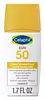
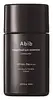
Cetaphil Sheer Mineral Face Liquid Sunscreen Broad Spectrum SPF 50 Versus Abib Heartleaf Sun Essence Calming Drop SPF 50+
This hybrid sunscreen covers the full UV range and blocks ~98% of UVB at SPF 50.
This chemical sunscreen covers the full UV range and blocks ~98% of UVB at SPF 50.


What's inside
What's inside
 Key Ingredients
Benefits
Concerns
No concerns
Ingredients Side-by-side
Zinc Oxide 12%
Cosmetic Colorant


Allantoin
Skin Conditioning




Bisabolol
Antioxidant
Butyloctyl Salicylate
Skin Conditioning
C12-15 Alkyl Benzoate
AntimicrobialCaprylyl Glycol
Emollient
Caprylyl Methicone
Skin Conditioning
Dimethicone
Emollient
Dimethiconol
Emollient
Ethylhexylglycerin
Skin ConditioningHexylene Glycol
EmulsifyingIsododecane
EmollientLauryl PEG-10 Tris(Trimethylsiloxy)Silylethyl Dimethicone
Emulsifying
Lauryl PEG-8 Dimethicone
Surfactant
Niacinamide
Smoothing






Octyldodecyl Neopentanoate
EmollientPEG-10
HumectantPhenoxyethanol
Preservative
Polymethylsilsesquioxane
Propanediol
Solvent
Sodium Chloride
MaskingSodium Hydroxide
BufferingTetrasodium Glutamate Diacetate
Tocopherol
Antioxidant
Trilaureth-4 Phosphate
EmulsifyingWater
Skin ConditioningZinc Oxide 12%, Allantoin, Bisabolol, Butyloctyl Salicylate, C12-15 Alkyl Benzoate, Caprylyl Glycol, Caprylyl Methicone, Dimethicone, Dimethiconol, Ethylhexylglycerin, Hexylene Glycol, Isododecane, Lauryl PEG-10 Tris(Trimethylsiloxy)Silylethyl Dimethicone, Lauryl PEG-8 Dimethicone, Niacinamide, Octyldodecyl Neopentanoate, PEG-10, Phenoxyethanol, Polymethylsilsesquioxane, Propanediol, Sodium Chloride, Sodium Hydroxide, Tetrasodium Glutamate Diacetate, Tocopherol, Trilaureth-4 Phosphate, Water
Water
Skin ConditioningDibutyl Adipate
EmollientHouttuynia Cordata Extract
Skin Conditioning
Alcohol
Antimicrobial




Caprylyl Methicone
Skin Conditioning
Diethylamino Hydroxybenzoyl Hexyl Benzoate
UV Filter
Bis-Ethylhexyloxyphenol Methoxyphenyl Triazine
Skin Conditioning
Phenethyl Benzoate
Emollient

Polymethylsilsesquioxane
Polysilicone-15
UV Filter
Methylene Bis-Benzotriazolyl Tetramethylbutylphenol
UV Filter
Ethylhexyl Triazone
UV Absorber
Hexyl Laurate
Emollient
Niacinamide
Smoothing
Polyglyceryl-6 Stearate
Emollient
Diethylhexyl Butamido Triazone
UV Absorber
Aspergillus Ferment
Skin ConditioningTriticum Aestivum Seed Extract
Perfuming
1,2-Hexanediol
Skin Conditioning
Pentylene Glycol
Skin Conditioning
C20-22 Alkyl Phosphate
EmulsifyingPanthenol
Skin Conditioning
Decyl Glucoside
Cleansing
Hydroxyacetophenone
Antioxidant
Tromethamine
BufferingEthylhexyl Olivate
Skin Conditioning
Polyglyceryl-6 Behenate
Emulsion Stabilising
Sodium Acrylates Copolymer
Polyglyceryl-4 Oleate
Emulsifying
Dipotassium Glycyrrhizate
Humectant
Adenosine
Skin Conditioning
Glycerin
Humectant
Sodium Phytate
Maltodextrin
Absorbent
Lipase
Skin ConditioningProtease
Exfoliating
C20-22 Alcohols
Emulsion Stabilising
Xanthan Gum
EmulsifyingWater, Dibutyl Adipate, Houttuynia Cordata Extract, Alcohol, Caprylyl Methicone, Diethylamino Hydroxybenzoyl Hexyl Benzoate, Bis-Ethylhexyloxyphenol Methoxyphenyl Triazine, Phenethyl Benzoate, Polymethylsilsesquioxane, Polysilicone-15, Methylene Bis-Benzotriazolyl Tetramethylbutylphenol, Ethylhexyl Triazone, Hexyl Laurate, Niacinamide, Polyglyceryl-6 Stearate, Diethylhexyl Butamido Triazone, Aspergillus Ferment, Triticum Aestivum Seed Extract, 1,2-Hexanediol, Pentylene Glycol, C20-22 Alkyl Phosphate, Panthenol, Decyl Glucoside, Hydroxyacetophenone, Tromethamine, Ethylhexyl Olivate, Polyglyceryl-6 Behenate, Sodium Acrylates Copolymer, Polyglyceryl-4 Oleate, Dipotassium Glycyrrhizate, Adenosine, Glycerin, Sodium Phytate, Maltodextrin, Lipase, Protease, C20-22 Alcohols, Xanthan Gum
Reviews
Ingredients Explained
These ingredients are found in both products.
Ingredients higher up in an ingredient list are typically present in a larger amount.
Caprylyl Methicone is a synthetic and lightweight silicone fluid. It gives products a silky, dry-touch finish without the heaviness of pure oils.
Though the EU CosIng Database lists this ingredient as a skin conditioner, it is also used for sensory reasons. It spreads easily, cuts greasiness, and reduces tackiness.
This ingredient is volatile which means it will mostly evaporate (but it evaporates slower than older cyclomethicones, like Cyclotetrasiloxane).
Typical concentration ranges from 1-30% depending on if it's being used to tweak the feel of a product or acting as the main emollient.
Learn more about Caprylyl MethiconeNiacinamide is a multitasking form of vitamin B3 that strengthens the skin barrier, reduces pores and dark spots, regulates oil, and improves signs of aging.
And the best part? It's gentle and well-tolerated by most skin types, including sensitive and reactive skin.
You might have heard of "niacin flush", or the reddening of skin that causes itchiness. Niacinamide has not been found to cause this.
In very rare cases, some individuals may not be able to tolerate niacinamide at all or experience an allergic reaction to it.
If you are experiencing flaking, irritation, and dryness with this ingredient, be sure to double check all your products as this ingredient can be found in all categories of skincare.
When incorporating niacinamide into your routine, look out for concentration amounts. Typically, 5% niacinamide provides benefits such as fading dark spots. However, if you have sensitive skin, it is better to begin with a smaller concentration.
When you apply niacinamide to your skin, your body converts it into nicotinamide adenine dinucleotide (NAD). NAD is an essential coenzyme that is already found in your cells as "fuel" and powers countless biological processes.
In your skin, NAD helps repair cell damage, produce new healthy cells, support collagen production, strengthen the skin barrier, and fight environmental stressors (like UV and pollution).
Our natural NAD levels start to decline with age, leading to slower skin repair, visible aging, and a weaker skin barrier. By providing your skin niacinamide, you're recharging your skin's NAD levels. This leads to stronger, healthier, and younger looking skin.
Another name for vitamin B3 is nicotinamide. This vitamin is water-soluble and our bodies don't store it. We obtain Vitamin B3 from either food or skincare. Meat, fish, wheat, yeast, and leafy greens contain vitamin B3.
The type of niacinamide used in skincare is synthetically created.
Learn more about NiacinamidePolymethylsilsesquioxane is a silicone used as a film forming agent.
When applied to the skin, this ingredient creates an invisible film on the surface. This film still allows oxygen to pass through, but prevents moisture from escaping. This can help condition and hydrate the skin. It also leaves a silky feel when applied.
Polymethylsilsesquioxane has not been shown to clog pores. It has been deemed safe to use up to 55%, but most cosmetics use much less.
If you have concerns about using this ingredient, we recommend speaking with a professional.
Learn more about PolymethylsilsesquioxaneWater. It's the most common cosmetic ingredient of all. You'll usually see it at the top of ingredient lists, meaning that it makes up the largest part of the product.
So why is it so popular? Water most often acts as a solvent - this means that it helps dissolve other ingredients into the formulation.
You'll also recognize water as that liquid we all need to stay alive. If you see this, drink a glass of water. Remember to stay hydrated!
Learn more about Water

