

What's inside
What's inside
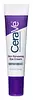 Key Ingredients
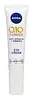
Benefits
Concerns
Ingredients Side-by-side
Water
Skin ConditioningPropanediol
Solvent

Glycerin
Humectant
Niacinamide
Smoothing









Cetearyl Alcohol
Emollient




Cetearyl Ethylhexanoate
Emollient
Caprylic/Capric Triglyceride
Masking
Dimethicone
Emollient
Petrolatum
Emollient
Polyacrylate Crosspolymer-6
Emulsion StabilisingHydrogenated Lecithin
Emulsifying
Ceramide NP
Skin Conditioning
Ceramide AP
Skin Conditioning
Ceramide EOP
Skin Conditioning
Carbomer
Emulsion StabilisingBehentrimonium Methosulfate

Triethyl Citrate
Masking
Caffeine
Skin Conditioning
Sodium Hyaluronate
Humectant
Sodium Lauroyl Lactylate
EmulsifyingSodium Lactate
Buffering
Cholesterol
Emollient
Palmitoyl Tripeptide-1
Skin Conditioning
Palmitoyl Tetrapeptide-7
Skin Conditioning
Phenoxyethanol
Preservative
Isopropyl Myristate
Emollient
Caprylyl Glycol
Emollient
Trisodium Ethylenediamine Disuccinate
Phytosphingosine
Skin Conditioning
Xanthan Gum
EmulsifyingButylene Glycol
Humectant
Polysorbate 20
Emulsifying
Benzoic Acid
Masking
Water, Propanediol, Glycerin, Niacinamide, Cetearyl Alcohol, Cetearyl Ethylhexanoate, Caprylic/Capric Triglyceride, Dimethicone, Petrolatum, Polyacrylate Crosspolymer-6, Hydrogenated Lecithin, Ceramide NP, Ceramide AP, Ceramide EOP, Carbomer, Behentrimonium Methosulfate, Triethyl Citrate, Caffeine, Sodium Hyaluronate, Sodium Lauroyl Lactylate, Sodium Lactate, Cholesterol, Palmitoyl Tripeptide-1, Palmitoyl Tetrapeptide-7, Phenoxyethanol, Isopropyl Myristate, Caprylyl Glycol, Trisodium Ethylenediamine Disuccinate, Phytosphingosine, Xanthan Gum, Butylene Glycol, Polysorbate 20, Benzoic Acid
Water
Skin ConditioningGlycerin
Humectant
Cyclomethicone
Emollient
Methylpropanediol
SolventGlyceryl Stearate
Emollient
Dimethicone
Emollient
Caprylic/Capric Triglyceride
Masking
Cetearyl Alcohol
Emollient
Octyldodecanol
Emollient
C12-15 Alkyl Benzoate
AntimicrobialHydrogenated Vegetable Oil
Emollient
Talc
Abrasive
Tapioca Starch
1,2-Hexanediol
Skin Conditioning
Ubiquinone
Antioxidant
Creatine
Skin Conditioning1-Methylhydantoin-2-Imide
Skin ConditioningPotassium Cetyl Phosphate
EmulsifyingCera Microcristallina
Emulsion StabilisingParaffinum Liquidum
Emollient
Hydrogenated Palm Glycerides
Emollient
Acrylates/C10-30 Alkyl Acrylate Crosspolymer
Emulsion StabilisingCarbomer
Emulsion StabilisingEthylhexylglycerin
Skin ConditioningTrisodium EDTA
Sodium Hydroxide
BufferingPhenoxyethanol
Preservative
Benzoic Acid
Masking
CI 77891
Cosmetic ColorantWater, Glycerin, Cyclomethicone, Methylpropanediol, Glyceryl Stearate, Dimethicone, Caprylic/Capric Triglyceride, Cetearyl Alcohol, Octyldodecanol, C12-15 Alkyl Benzoate, Hydrogenated Vegetable Oil, Talc, Tapioca Starch, 1,2-Hexanediol, Ubiquinone, Creatine, 1-Methylhydantoin-2-Imide, Potassium Cetyl Phosphate, Cera Microcristallina, Paraffinum Liquidum, Hydrogenated Palm Glycerides, Acrylates/C10-30 Alkyl Acrylate Crosspolymer, Carbomer, Ethylhexylglycerin, Trisodium EDTA, Sodium Hydroxide, Phenoxyethanol, Benzoic Acid, CI 77891
Reviews
Ingredients Explained
These ingredients are found in both products.
Ingredients higher up in an ingredient list are typically present in a larger amount.
Benzoic Acid is used to preserve and adjust the pH of products.
The antimicrobial property of Benzoic Acid helps elongate a product's shelf life. Its main role is to reduce fungi growth and is not found to be effective at fighting bacteria. Therefore Benzoic Acid is always added along with other preservatives.
In its pure form, Benzoic Acid looks like a white crystalline solid. It has slight solubility in water.
The name of Benzoic Acid comes from gum benzoin, which used to be the sole source of deriving this ingredient. Benzoic Acid is the most simple aromatic carboxylic acid.
Benzoic Acid is naturally occuring in strawberries, mustard, cinnamon, and cloves. It has a slight scent but is not considered to be a fragrance.
Learn more about Benzoic AcidThis ingredient is a lightweight emollient, solvent, and texture enhancer. It is considered a skin-softener by helping the skin prevent moisture loss.
It helps thicken a product's formula and makes it easier to spread by dissolving clumping compounds.
Caprylic Triglyceride is made by combining glycerin with coconut oil, forming a clear liquid. Though it behaves like an oil, it is not technically one due to its chemical composition. It is very stable, resistant to oxidation, and unlikely to go rancid. In practice, that translates to a long shelf life and a consistently elegant skin feel.
While there is an assumption Caprylic Triglyceride can clog pores due to it being derived from coconut oil, there is no research supporting this. Be sure to patch test if you have concerns.
Fractionated coconut oil and MCT Oil are both listed as Caprylic/Capric Triglyceride according to INCI. This is because INCI names are based on the ingredient’s final chemical composition and not its marketing name or source.
Learn more about Caprylic/Capric TriglycerideCarbomer is a high-molecular weight polymer of acrylic acid. It is used to form gels and thicken formulas.
Due to its large molecular size, carbomer has minimal skin penetration and is considered an inert ingredient.
A high amount of carbomer can cause pilling or balling up of products. Don't worry, most products contain 1% or less of carbomer.
Learn more about CarbomerCetearyl alcohol is a waxy mixture of two fatty alcohols: cetyl alcohol and stearyl alcohol. It is an emollient and emulsifier.
Despite having "alcohol" in its name, it has nothing to do with drying solvent alcohols; the FDA also allows "alcohol-free" products to contain fatty alcohols like this ingredient.
It plays several roles in a formula:
Typical use levels for this ingredient sit around 1-10% and the Cosmetic Ingredient Review Expert Panel has affirmed safety at concentrations up to 25% in leave-on products.
Multiple assessments have found it to be non-irritating and non-sensitizing to most people.
However, there have been some cases of allergic contact dermatitis in patients with chronically compromised skin barriers.
Cetearyl alcohol has a comedogenic rating of 2 and irritancy rating of 1. Both of these numbers come from the 1989 study that used rabbit ears; a "2" means mildly comedogenic and a "1" means low irritancy.
Here's the catch: rabbit skin is more sensitive than human skin and throws a lot of false positives. A 1996 reappraisal found that ingredients rated 1-2 in the rabbit ear tests are generally safe for humans.
Remember comedogenic ratings are unable to assess the entire formula of a product or how it will react on your skin. Just be sure to patch test if you are unsure about certain ingredients.
This ingredient is not fungal acne safe. Cetearyl alcohol is a fatty alcohol with chain lengths that fall within the range that Malassezia can metabolize.
Learn more about Cetearyl AlcoholDimethicone is a type of synthetic silicone created from natural materials such as quartz. It is also known as polydimethylsiloxane.
What it does:
Dimethicone comes in different viscosities:
Depending on the viscosity, dimethicone has different properties.
Ingredients lists don't always show which type is used, so we recommend reaching out to the brand if you have questions about the viscosity.
This ingredient is unlikely to cause irritation because it does not get absorbed into skin. However, people with silicone allergies should be careful about using this ingredient.
Note: Dimethicone may contribute to pilling. This is because it is not oil or water soluble, so pilling may occur when layered with products. When mixed with heavy oils in a formula, the outcome is also quite greasy.
Learn more about DimethiconeGlycerin (or glycerol) is a compound naturally found in your skin. It's a powerhouse humectant that pulls water into the stratum corneum.
Topically, glycerin does several things at once:
Your skin makes glycerin on its own (mostly from sebaceous oil breakdown) and shuttles it to your outermost layer of skin, or your epidermis, via aquaporin-3.
Aquaporin-3 is a transporter that is essential for normal skin hydration, elasticity, and repair. Interestingly, mice lacking in AQP3 have dry and less elastic skin that can be fully corrected with glycerin.
This ingredient is non-irritating, plays well with almost every ingredient, and works across all skin types. Typical use is anywhere between 3-10% but can go up to 79% in some leave-on products.
Just know very high concentrations (>40%) can feel tacky in low humidity.
Glycerin is the name for this ingredient in American English. British English uses Glycerol/Glycerine.
Learn more about GlycerinPhenoxyethanol is a preservative that has germicide, antimicrobial, and aromatic properties. Studies show that phenoxyethanol can prevent microbial growth. By itself, it has a scent that is similar to that of a rose.
It's often used in formulations along with Caprylyl Glycol to preserve the shelf life of products.
Water. It's the most common cosmetic ingredient of all. You'll usually see it at the top of ingredient lists, meaning that it makes up the largest part of the product.
So why is it so popular? Water most often acts as a solvent - this means that it helps dissolve other ingredients into the formulation.
You'll also recognize water as that liquid we all need to stay alive. If you see this, drink a glass of water. Remember to stay hydrated!
Learn more about Water
