
What's inside
What's inside
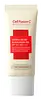 Key Ingredients
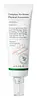
Benefits
Concerns
Ingredients Side-by-side
Water
Skin ConditioningZinc Oxide
Cosmetic Colorant


Propylheptyl Caprylate
EmollientC12-15 Alkyl Benzoate
AntimicrobialButylene Glycol
Humectant

Disiloxane
Skin Conditioning
Lauryl Polyglyceryl-3 Polydimethylsiloxyethyl Dimethicone
Skin Conditioning
Isododecane
EmollientIsotridecyl Isononanoate
EmollientPolyglyceryl-3 Polydimethylsiloxyethyl Dimethicone
Skin Conditioning
Calendula Officinalis Flower Extract
Masking


Disteardimonium Hectorite
StabilisingMagnesium Sulfate
Triethoxycaprylylsilane
Methyl Methacrylate Crosspolymer
1,2-Hexanediol
Skin Conditioning
Polyhydroxystearic Acid
Emulsifying
Glyceryl Caprylate
EmollientDipotassium Glycyrrhizate
Humectant
Caprylyl Glycol
Emollient
Polymethylsilsesquioxane
Ethylhexylglycerin
Skin ConditioningTocopherol
Antioxidant




Parfum
Masking


Water, Zinc Oxide, Propylheptyl Caprylate, C12-15 Alkyl Benzoate, Butylene Glycol, Disiloxane, Lauryl Polyglyceryl-3 Polydimethylsiloxyethyl Dimethicone, Isododecane, Isotridecyl Isononanoate, Polyglyceryl-3 Polydimethylsiloxyethyl Dimethicone, Calendula Officinalis Flower Extract, Disteardimonium Hectorite, Magnesium Sulfate, Triethoxycaprylylsilane, Methyl Methacrylate Crosspolymer, 1,2-Hexanediol, Polyhydroxystearic Acid, Glyceryl Caprylate, Dipotassium Glycyrrhizate, Caprylyl Glycol, Polymethylsilsesquioxane, Ethylhexylglycerin, Tocopherol, Parfum
Water
Skin ConditioningCyclohexasiloxane
Emollient
Zinc Oxide
Cosmetic Colorant
CI 77891
Cosmetic ColorantPropanediol
Solvent
Polyglyceryl-3 Polydimethylsiloxyethyl Dimethicone
Skin Conditioning
Dibutyl Adipate
EmollientNiacinamide
Smoothing




Caprylyl Methicone
Skin Conditioning
1,2-Hexanediol
Skin Conditioning
Disteardimonium Hectorite
StabilisingBetaine
Humectant
Magnesium Sulfate
Hydrogen Dimethicone
Inositol
Humectant
Aluminum Hydroxide
EmollientC30-45 Alkyl Cetearyl Dimethicone Crosspolymer
Emollient
Polyglyceryl-2 Dipolyhydroxystearate
Skin Conditioning
Styrene/Acrylates Copolymer
Stearic Acid
Cleansing
Butylene Glycol
Humectant
Pentylene Glycol
Skin Conditioning
Ethylhexylglycerin
Skin ConditioningOctyldodecanol
Emollient
Adenosine
Skin Conditioning
Glycerin
Humectant
Squalane
Emollient
Allantoin
Skin Conditioning
Anthemis Nobilis Flower Water
Masking
Echium Plantagineum Seed Oil
Skin Conditioning
Artemisia Capillaris Extract 0.005%
Vitis Vinifera Seed Extract
Antimicrobial
Calendula Officinalis Flower Extract
Masking
Camellia Sinensis Leaf Extract
Antimicrobial
Cardiospermum Halicacabum Flower/Leaf/Vine Extract
Skin ConditioningHelianthus Annuus Seed Oil Unsaponifiables
Emollient
Leuconostoc/Radish Root Ferment Filtrate
Antimicrobial
Dicaprylyl Carbonate
EmollientSorbitan Sesquioleate
Emulsifying
Palmitoyl Tripeptide-5
Skin Conditioning
Tocopherol
Antioxidant
Water, Cyclohexasiloxane, Zinc Oxide, CI 77891, Propanediol, Polyglyceryl-3 Polydimethylsiloxyethyl Dimethicone, Dibutyl Adipate, Niacinamide, Caprylyl Methicone, 1,2-Hexanediol, Disteardimonium Hectorite, Betaine, Magnesium Sulfate, Hydrogen Dimethicone, Inositol, Aluminum Hydroxide, C30-45 Alkyl Cetearyl Dimethicone Crosspolymer, Polyglyceryl-2 Dipolyhydroxystearate, Styrene/Acrylates Copolymer, Stearic Acid, Butylene Glycol, Pentylene Glycol, Ethylhexylglycerin, Octyldodecanol, Adenosine, Glycerin, Squalane, Allantoin, Anthemis Nobilis Flower Water, Echium Plantagineum Seed Oil, Artemisia Capillaris Extract 0.005%, Vitis Vinifera Seed Extract, Calendula Officinalis Flower Extract, Camellia Sinensis Leaf Extract, Cardiospermum Halicacabum Flower/Leaf/Vine Extract, Helianthus Annuus Seed Oil Unsaponifiables, Leuconostoc/Radish Root Ferment Filtrate, Dicaprylyl Carbonate, Sorbitan Sesquioleate, Palmitoyl Tripeptide-5, Tocopherol
Reviews
Ingredients Explained
These ingredients are found in both products.
Ingredients higher up in an ingredient list are typically present in a larger amount.
1,2-Hexanediol is a synthetic liquid and another multi-functional powerhouse.
It is a:
- Humectant, drawing moisture into the skin
- Emollient, helping to soften skin
- Solvent, dispersing and stabilizing formulas
- Preservative booster, enhancing the antimicrobial activity of other preservatives
Butylene Glycol (or BG) is used within cosmetic products for a few different reasons:
Overall, Butylene Glycol is a safe and well-rounded ingredient that works well with other ingredients.
Though this ingredient works well with most skin types, some people with sensitive skin may experience a reaction such as allergic rashes, closed comedones, or itchiness.
Learn more about Butylene GlycolCalendula Officinalis Flower Extract comes from the common Marigold plant part of the Asteraceae family. This ingredient is a skin conditioner.
Marigolds contain flavonoids. Flavonoids are a group of substances found naturally in plants. They possess antioxidant and inflammation properties.
This ingredient soothes skin inflammation by inhibiting inhibiting a part of the inflammation process.
Marigolds have been used in traditional medicine throughout Asia and Europe.
Learn more about Calendula Officinalis Flower ExtractDisteardimonium Hectorite comes from the clay mineral named hectorite. It is used to add thickness to a product.
It can also help stabilize a product by helping to disperse other ingredients.
Hectorite is a rare, white clay mineral.
Learn more about Disteardimonium HectoriteEthylhexylglycerin is created from glycerin. It is a multitasker ingredient that:
The CIR Expert Panel found minimal skin absorption or sensitization of any kind in a safety assessment. Though this ingredient is considered well-tolerated, a small number of cases of allergic dermatitis have been published since 2002. Just be sure to patch test if you are unsure.
Industry-reported use ranges from 8% in rinse-off products and 2% in leave-on formulations.
Learn more about EthylhexylglycerinMagnesium Sulfate is a salt. More specifically, it is an epsom salt, or the bath salt used to help relieve muscle aches.
Despite having ‘sulfate’ in the name, it isn’t a surfactant or cleansing agent like sodium lauryl sulfate. Unlike those sulfates, magnesium sulfate doesn’t have the same cleansing or foaming properties (it's simply a type of salt).
In cosmetics, Magnesium Sulfate is used to thicken a product or help dilute other solids. It is a non-reactive and non-irritating ingredient.
One study shows magnesium deficiency may lead to inflammation of the skin. Applying magnesium topically may help reduce inflammation.
You can find this ingredient in sea water or mineral deposits.
Learn more about Magnesium SulfatePolyglyceryl-3 Polydimethylsiloxyethyl Dimethicone is a type of silicone.
Tocopherol is a fat-soluble antioxidant known as Vitamin E.
You'll find this ingredient in the vast majority of skincare (for good reason). It works to neutralize free radicals, or unstable molecules generated by UV exposure, pollution, and other environmental stressors, before they can cause oxidative damage to your skin cells.
Topically applied tocopherol has been shown to protect against UV damage by ramping up the skin's own natural defense enzymes.
It also acts as a skin conditioning agent; some studies show that regular topical use can improve the skin's water-binding capacity over 2-4 weeks.
This ingredient is especially loved for being a team player. When combined with Vitamin C, the photoprotective effect of both ingredients roughly doubles and the combo also helps reduce UV-induced DNA damage.
This ingredient has some brightening potential but it's more of a prevention ingredient than spot-fader. Cell studies show it can slow down melanin production but it's worth noting that it's not the most powerful brightener out there.
In formulations, it also serves as a stabilizer that helps protect other oxidation-prone ingredients from degrading.
Concentrations usually range from 0.1-1% in most leave-on products.
Learn more about TocopherolWater. It's the most common cosmetic ingredient of all. You'll usually see it at the top of ingredient lists, meaning that it makes up the largest part of the product.
So why is it so popular? Water most often acts as a solvent - this means that it helps dissolve other ingredients into the formulation.
You'll also recognize water as that liquid we all need to stay alive. If you see this, drink a glass of water. Remember to stay hydrated!
Learn more about WaterZinc Oxide is a mineral broad-spectrum UV filter; it is the broadest UVA and UVB reflector approved by the FDA. It also has skin protectant and skin soothing properties.
Zinc oxide is one of the most effective broad-spectrum UV filters. It protects against UVB, UVAII, and UVAI. In comparison to its counterpart titanium dioxide, zinc oxide provides uniform and extended UVA protection.
Another great benefit? This ingredient is highly photostable so it won't degrade easily under sunlight.
A common myth is that mineral UV filters are widely believed to primarily reflect UV light.
However, modern research shows titanium dioxide absorbs UV radiation like chemical filters (~95% absorption & 5% reflection).
Zinc oxide has great skin soothing properties so you'll likely find this in sunscreens formulated for sensitive skin or babies/children. It is unlikely to cause "eye sting" like other sunscreen ingredients.
Regulatory agencies consider zinc oxide to be non-toxic and safe. It has also been shown to not penetrate the skin.
Unfortunately, this ingredient does leave a visible white cast. This is why mineral sunscreens are often less cosmetically elegant than chemical or hybrid ones.
In cosmetics, zinc oxide can be found in both non-nano and nano-sized forms. The nano version is used to reduce white cast and improve the texture of sunscreen formulas.
There are ongoing concerns surrounding nano-zinc oxide's impact on marine ecosystems and whether it can be absorbed into skin.
Regarding marine ecosystems and coral reefs, there is no conclusive evidence that any form of zinc oxide (or any other sunscreen ingredients) will cause harm. The science is still developing but many consumers are keeping a close eye on this issue.
Please note, many destinations have reef-safety sunscreen rules. For instance, the U.S. Virgin Islands advises all visitors to use non-nano mineral sunscreens.
There has also been some stir about whether micronized or nano zinc oxide has potential photoxicity and absorption through the skin/lungs.
An in-vitro (done in a test tube or petri dish) study demonstrated micronized zinc oxide to have potential phototoxicity. There's no need to fret; the EU Commission's Scientific Committee on Consumer Safety has stated, "The relevance of these findings needs to be clarified by appropriate investigations in vivo." Or in other words, further studies done on living organisms are needed to prove this.
Current research shows zinc oxide nanoparticles do not penetrate intact or sunburned skin. They either remain on the surface or in the outermost layer of dead skin (stratum corneum).
Zinc oxide is one of only two classified mineral UV filters with titanium dioxide being the other one.
Fun fact: Zinc has been used throughout history as an ingredient in paint and medicine. An Indian text from 500BC is believed to list zinc oxide as a salve for open wound. The Ancient Greek physician Dioscorides has also mentioned the use of zinc as an ointment in 1AD.
Learn more about Zinc Oxide
