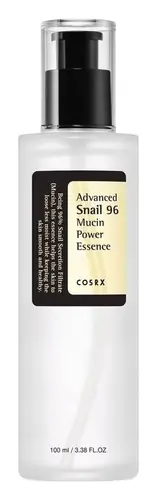
Celimax Pore+Dark Spot Brightening Care Sunscreen SPF 50+ Versus Physiogel Red Soothing AI Sensitive UV Sunscreen Advanced SPF 50+
This chemical sunscreen covers the full UV range and blocks ~98% of UVB at SPF 50.
This hybrid sunscreen covers the full UV range and blocks ~98% of UVB at SPF 50.

What's inside
What's inside
 Key Ingredients
Benefits
Concerns
Ingredients Side-by-side
Water
Skin ConditioningPropanediol
Solvent

Dibutyl Adipate
EmollientNiacinamide 5%
Smoothing










Polymethylsilsesquioxane

Diisopropyl Sebacate
EmollientDiethylamino Hydroxybenzoyl Hexyl Benzoate
UV Filter
Ethylhexyl Triazone
UV Absorber
Methylene Bis-Benzotriazolyl Tetramethylbutylphenol
UV Filter
Coco-Caprylate/Caprate
Emollient
Diethylhexyl Butamido Triazone
UV Absorber
1,2-Hexanediol
Skin Conditioning
Butylene Glycol
Humectant
Tranexamic Acid 1%
Astringent
Caprylyl Methicone
Skin Conditioning
Pentylene Glycol
Skin Conditioning
Behenyl Alcohol
Emollient
Poly C10-30 Alkyl Acrylate
Emulsion StabilisingGlycerin
Humectant
Polyglyceryl-3 Methylglucose Distearate
Emulsifying

Decyl Glucoside
Cleansing
Tromethamine
BufferingCarbomer
Emulsion StabilisingAcrylates/C10-30 Alkyl Acrylate Crosspolymer
Emulsion StabilisingPanthenol
Skin Conditioning
Sodium Stearoyl Glutamate
CleansingPolyacrylate Crosspolymer-6
Emulsion StabilisingEthylhexylglycerin
Skin ConditioningAdenosine
Skin Conditioning
Xanthan Gum
EmulsifyingTocopherol
Antioxidant

Polyglyceryl-4 Isostearate
Emulsifying
Eriobotrya Japonica Leaf Extract
Skin ConditioningCaprylic/Capric Triglyceride
Masking
Citric Acid
Buffering
Disteardimonium Hectorite
StabilisingMentha Viridis Extract
MaskingQuercetin
Antioxidant
Water, Propanediol, Dibutyl Adipate, Niacinamide 5%, Polymethylsilsesquioxane, Diisopropyl Sebacate, Diethylamino Hydroxybenzoyl Hexyl Benzoate, Ethylhexyl Triazone, Methylene Bis-Benzotriazolyl Tetramethylbutylphenol, Coco-Caprylate/Caprate, Diethylhexyl Butamido Triazone, 1,2-Hexanediol, Butylene Glycol, Tranexamic Acid 1%, Caprylyl Methicone, Pentylene Glycol, Behenyl Alcohol, Poly C10-30 Alkyl Acrylate, Glycerin, Polyglyceryl-3 Methylglucose Distearate, Decyl Glucoside, Tromethamine, Carbomer, Acrylates/C10-30 Alkyl Acrylate Crosspolymer, Panthenol, Sodium Stearoyl Glutamate, Polyacrylate Crosspolymer-6, Ethylhexylglycerin, Adenosine, Xanthan Gum, Tocopherol, Polyglyceryl-4 Isostearate, Eriobotrya Japonica Leaf Extract, Caprylic/Capric Triglyceride, Citric Acid, Disteardimonium Hectorite, Mentha Viridis Extract, Quercetin
Water
Skin ConditioningEthylhexyl Methoxycinnamate
UV Absorber

Propanediol
Solvent
Diethylamino Hydroxybenzoyl Hexyl Benzoate
UV Filter
Ethylhexyl Salicylate
UV Absorber
C12-15 Alkyl Benzoate
AntimicrobialGlycerin
Humectant
Dimethicone
Emollient
Phenylbenzimidazole Sulfonic Acid
UV Absorber
Titanium Dioxide
Cosmetic Colorant
1,2-Hexanediol
Skin Conditioning
Potassium Cetyl Phosphate
EmulsifyingTromethamine
BufferingBis-Ethylhexyloxyphenol Methoxyphenyl Triazine
UV Absorber
Panthenol
Skin Conditioning
Polyglyceryl-3 Methylglucose Distearate
Emulsifying
Palmitic Acid
Emollient


Aluminum Stearate
Cosmetic ColorantPolyacrylate Crosspolymer-6
Emulsion StabilisingPolyurethane-15
Stearic Acid
Cleansing
Polyhydroxystearic Acid
Emulsifying
Xanthan Gum
EmulsifyingAlumina
Abrasive
Acetamide Mea
Foam BoostingVetiveria Zizanoides Root Oil
Masking


Trisodium EDTA
ChelatingPalmitamide Mea
Foam BoostingSarcosine
Skin Conditioning
Squalane
Emollient
Piper Nigrum Fruit Oil
Masking
Zingiber Officinale Root Oil
Masking
Caprylic/Capric Triglyceride
Masking
Cinnamomum Cassia Leaf Oil
Masking
Ceramide NP
Skin Conditioning
Hydrogenated Lecithin
Emulsifying
Rosa Damascena Flower Oil
Masking
Water, Ethylhexyl Methoxycinnamate, Propanediol, Diethylamino Hydroxybenzoyl Hexyl Benzoate, Ethylhexyl Salicylate, C12-15 Alkyl Benzoate, Glycerin, Dimethicone, Phenylbenzimidazole Sulfonic Acid, Titanium Dioxide, 1,2-Hexanediol, Potassium Cetyl Phosphate, Tromethamine, Bis-Ethylhexyloxyphenol Methoxyphenyl Triazine, Panthenol, Polyglyceryl-3 Methylglucose Distearate, Palmitic Acid, Aluminum Stearate, Polyacrylate Crosspolymer-6, Polyurethane-15, Stearic Acid, Polyhydroxystearic Acid, Xanthan Gum, Alumina, Acetamide Mea, Vetiveria Zizanoides Root Oil, Trisodium EDTA, Palmitamide Mea, Sarcosine, Squalane, Piper Nigrum Fruit Oil, Zingiber Officinale Root Oil, Caprylic/Capric Triglyceride, Cinnamomum Cassia Leaf Oil, Ceramide NP, Hydrogenated Lecithin, Rosa Damascena Flower Oil
Reviews
Ingredients Explained
These ingredients are found in both products.
Ingredients higher up in an ingredient list are typically present in a larger amount.
1,2-Hexanediol is a synthetic liquid and another multi-functional powerhouse.
It is a:
- Humectant, drawing moisture into the skin
- Emollient, helping to soften skin
- Solvent, dispersing and stabilizing formulas
- Preservative booster, enhancing the antimicrobial activity of other preservatives
Caprylic/Capric Triglyceride (aka MCT Oil) is a lightweight emollient, solvent, and texture enhancer. It is considered a skin-softener by helping to prevent moisture loss.
Though it behaves like an oil, it is not technically one due to its chemical composition. One perk of this ingredient is that it is very stable, resistant to oxidation, and unlikely to go rancid.
In practice, that translates to a long shelf life and a consistently elegant skin feel.
While there is an assumption Caprylic Triglyceride can clog pores due to it being derived from coconut oil, there is no research supporting this. Just patch test if you have concerns.
Fractionated coconut oil and MCT Oil are both listed as Caprylic/Capric Triglyceride according to INCI. This is because INCI names are based on the ingredient’s final chemical composition and not its marketing name or source.
This ingredient is treated as the gold standard fungal acne safe oil. Even though it is coconut derived, the problematic lauric acid is stripped out.
This leaves just caprylic (C8) and capric (C10) acid. These chain lengths actually trend antifungal; a 2020 study found caprylic acid was enough to disrupt Malassezia furfur cell membrane, with a caprylic acid derivative damaging membrane structures at concentrations as low as 0.2%.
Learn more about Caprylic/Capric TriglycerideDiethylamino Hydroxybenzoyl Hexyl Benzoate (DHHB) is a chemical UV-A absorber. It is formulated for high UVA protection (320-400 nm).
DHHB is well-liked for:
DHHB has been approved by the EU, Japan, Taiwan, and South America for use up to 10%. Unfortunately, it has not been approved for use in the US or Canada due to slow regulatory processes.
This ingredient is soluble in oils, fats, and lipids.
Learn more about Diethylamino Hydroxybenzoyl Hexyl BenzoateGlycerin (or glycerol) is a compound naturally found in your skin. It's a powerhouse humectant that pulls water into the stratum corneum.
Topically, glycerin does several things at once:
Your skin makes glycerin on its own (mostly from sebaceous oil breakdown) and shuttles it to your outermost layer of skin, or your epidermis, via aquaporin-3.
Aquaporin-3 is a transporter that is essential for normal skin hydration, elasticity, and repair. Interestingly, mice lacking in AQP3 have dry and less elastic skin that can be fully corrected with glycerin.
This ingredient is non-irritating, plays well with almost every ingredient, and works across all skin types. Typical use is anywhere between 3-10% but can go up to 79% in some leave-on products.
Just know very high concentrations (>40%) can feel tacky in low humidity.
Glycerin is the name for this ingredient in American English. British English uses Glycerol/Glycerine.
Learn more about GlycerinPanthenol is a common ingredient that helps hydrate and soothe the skin. It is found naturally in our skin and hair.
There are two forms of panthenol: D and L.
D-panthenol is also known as dexpanthenol. Most cosmetics use dexpanthenol or a mixture of D and L-panthenol.
Panthenol is famous due to its ability to go deeper into the skin's layers. Using this ingredient has numerous pros (and no cons):
Like hyaluronic acid, panthenol is a humectant. Humectants are able to bind and hold large amounts of water to keep skin hydrated.
This ingredient works well for wound healing. It works by increasing tissue in the wound and helps close open wounds.
Once oxidized, panthenol converts to pantothenic acid. Panthothenic acid is found in all living cells.
This ingredient is also referred to as pro-vitamin B5.
Learn more about PanthenolPolyacrylate Crosspolymer-6 is a texture enhancer and pH adjuster.
It is be used to thicken water-based products and create a gel-texture with a velvet feel.
One manufacturer claims this ingredient to have a pH range of 2-8 and to be biodegradable.
This ingredient is also known as Sepimax Zen.
Learn more about Polyacrylate Crosspolymer-6Polyglyceryl-3 Methylglucose Distearate is a plant-derived emulsifier whose only job is to keep the oily and watery parts of a formula blended so it doesn't separate into layers.
It's compatible with a wide-range of active ingredients and especially good at making emulsions survive heat/freeze cycles.
Typical use concentrations range from 2-3% and it works across a pH of 4.5-8.5.
This ingredient has been found safe to use in cosmetics and has a low irritation profile.
Because it's build on stearic acid, it may not be fungal acne safe. Stearic acid is a C18 fatty acid that falls within the range (C11-24) that Malassezia can feed on.
Learn more about Polyglyceryl-3 Methylglucose DistearatePropanediol is an all-star ingredient. It softens, hydrates, and smooths the skin.
It’s often used to:
Propanediol is not likely to cause sensitivity and considered safe to use. It is derived from corn or petroleum with a clear color and no scent.
Learn more about PropanediolTromethamine (aka THAM) is a synthetic amino acid that shows up in skincare as a helper ingredient.
It functions as a pH adjuster to help neutralize acidic ingredients and set a formula's pH to the right spot.
This matters a lot because a lot of actives (like vitamin C) needs a specific pH to work well and feel comfortable on skin.
Concentration use ranges from 0.1-1.0% depending on the formula.
Learn more about TromethamineWater. It's the most common cosmetic ingredient of all. You'll usually see it at the top of ingredient lists, meaning that it makes up the largest part of the product.
So why is it so popular? Water most often acts as a solvent - this means that it helps dissolve other ingredients into the formulation.
You'll also recognize water as that liquid we all need to stay alive. If you see this, drink a glass of water. Remember to stay hydrated!
Learn more about WaterXanthan gum is used as a stabilizer and thickener within cosmetic products. It helps give products a sticky, thick feeling - preventing them from being too runny.
On the technical side of things, xanthan gum is a polysaccharide - a combination consisting of multiple sugar molecules bonded together.
Xanthan gum is a pretty common and great ingredient. It is a natural, non-toxic, non-irritating ingredient that is also commonly used in food products.
Learn more about Xanthan Gum