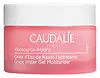
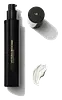
Caudalie Vinosource-Hydra Grape Water Gel Moisturizer Versus Victoria Beckham Beauty Victoria Beckham By Augustinus Bader Cell Rejuvenating Priming Moisturizer
This barrier-repair moisturizer is formulated around Squalane and Sodium Hyaluronate to strengthen the skin barrier and hydrate skin.
This smoothing moisturizer is formulated around Saccharomyces/Xylinum/Black Tea Ferment and Papain to refine skin texture.


What's inside
What's inside
 Key Ingredients
Benefits
Concerns
Ingredients Side-by-side
Water
Skin ConditioningGlycerin
Humectant


Vitis Vinifera Fruit Water
Skin ConditioningIsostearyl Isostearate
Emollient




Octyldodecyl Myristate
EmollientSqualane
Emollient
Microcrystalline Cellulose
AbsorbentCaprylic/Capric Triglyceride
Masking
Benzyl Alcohol
Perfuming





Xanthan Gum
EmulsifyingCarbomer
Emulsion StabilisingCellulose Gum
Emulsion StabilisingCaprylyl Glycol
Emollient
Vitis Vinifera Juice
Antioxidant
Sodium Hyaluronate
Humectant

Sodium Hydroxide
BufferingAloe Barbadensis Leaf Juice
Skin Conditioning
Helianthus Annuus Seed Oil
Emollient
Tocopherol
Antioxidant


Citric Acid
Buffering
Dehydroacetic Acid
Preservative
Sodium Phytate
ChelatingSodium Carboxymethyl Beta-Glucan
CleansingSodium Benzoate
Masking
Potassium Sorbate
Preservative
Parfum
Masking
Water, Glycerin, Vitis Vinifera Fruit Water, Isostearyl Isostearate, Octyldodecyl Myristate, Squalane, Microcrystalline Cellulose, Caprylic/Capric Triglyceride, Benzyl Alcohol, Xanthan Gum, Carbomer, Cellulose Gum, Caprylyl Glycol, Vitis Vinifera Juice, Sodium Hyaluronate, Sodium Hydroxide, Aloe Barbadensis Leaf Juice, Helianthus Annuus Seed Oil, Tocopherol, Citric Acid, Dehydroacetic Acid, Sodium Phytate, Sodium Carboxymethyl Beta-Glucan, Sodium Benzoate, Potassium Sorbate, Parfum
Water
Skin ConditioningGlycerin
Humectant
Triethylhexanoin
MaskingEthylhexyl Polyhydroxystearate
EmollientIsostearyl Isostearate
Emollient
Saccharomyces/Xylinum/Black Tea Ferment
Skin Conditioning
1,2-Hexanediol
Skin Conditioning
Octyldodecyl Myristate
EmollientPersea Gratissima Oil
Skin Conditioning
Silica
Abrasive


Sodium Acrylates Copolymer
CI 77891
Cosmetic ColorantPotassium Cetyl Phosphate
EmulsifyingSodium Hyaluronate
Humectant
Papain
Skin Conditioning
Synthetic Fluorphlogopite
Chlorella Vulgaris Extract
Skin ConditioningLecithin
Emollient
Sodium Polyacrylate
Absorbent
Panthenol
Skin Conditioning
Caprylic/Capric Triglyceride
Masking
Citric Acid
Buffering
Cetyl Palmitate
Emollient
Sorbitan Stearate
Emulsifying
Tocopherol
Antioxidant
Sodium Hydroxide
BufferingCaprylyl Glycol
Emollient
Carbomer
Emulsion StabilisingN-Hydroxysuccinimide
Skin ConditioningPropylene Glycol
Humectant
Sodium Benzoate
Masking
Tin Oxide
Abrasive
Algin
MaskingO-Cymen-5-Ol
Antimicrobial
Polysorbate 80
Emulsifying
Potassium Sorbate
Preservative
Hydrogenated Lecithin
Emulsifying
Palmitoyl Tetrapeptide-10
Skin Conditioning
Water, Glycerin, Triethylhexanoin, Ethylhexyl Polyhydroxystearate, Isostearyl Isostearate, Saccharomyces/Xylinum/Black Tea Ferment, 1,2-Hexanediol, Octyldodecyl Myristate, Persea Gratissima Oil, Silica, Sodium Acrylates Copolymer, CI 77891, Potassium Cetyl Phosphate, Sodium Hyaluronate, Papain, Synthetic Fluorphlogopite, Chlorella Vulgaris Extract, Lecithin, Sodium Polyacrylate, Panthenol, Caprylic/Capric Triglyceride, Citric Acid, Cetyl Palmitate, Sorbitan Stearate, Tocopherol, Sodium Hydroxide, Caprylyl Glycol, Carbomer, N-Hydroxysuccinimide, Propylene Glycol, Sodium Benzoate, Tin Oxide, Algin, O-Cymen-5-Ol, Polysorbate 80, Potassium Sorbate, Hydrogenated Lecithin, Palmitoyl Tetrapeptide-10
Reviews
Ingredients Explained
These ingredients are found in both products.
Ingredients higher up in an ingredient list are typically present in a larger amount.
Caprylic/Capric Triglyceride (aka MCT Oil) is a lightweight emollient, solvent, and texture enhancer. It is considered a skin-softener by helping to prevent moisture loss.
Though it behaves like an oil, it is not technically one due to its chemical composition. One perk of this ingredient is that it is very stable, resistant to oxidation, and unlikely to go rancid.
In practice, that translates to a long shelf life and a consistently elegant skin feel.
While there is an assumption Caprylic Triglyceride can clog pores due to it being derived from coconut oil, there is no research supporting this. Just patch test if you have concerns.
Fractionated coconut oil and MCT Oil are both listed as Caprylic/Capric Triglyceride according to INCI. This is because INCI names are based on the ingredient’s final chemical composition and not its marketing name or source.
This ingredient is treated as the gold standard fungal acne safe oil. Even though it is coconut derived, the problematic lauric acid is stripped out.
This leaves just caprylic (C8) and capric (C10) acid. These chain lengths actually trend antifungal; a 2020 study found caprylic acid was enough to disrupt Malassezia furfur cell membrane, with a caprylic acid derivative damaging membrane structures at concentrations as low as 0.2%.
Learn more about Caprylic/Capric TriglycerideCaprylyl Glycol is a humectant, skin conditioner, emollient, and preservative booster derived from either caprylic acid or synthetically created.
Typical use levels vary from 0.3-1% as a preservative booster and go up to 2% to condition skin.
Because it is not a free-fatty acid, this ingredient is fungal acne safe (there's nothing for Malassezia to feed on).
Learn more about Caprylyl GlycolCarbomer is a synthetic thickening and gelling agent. It's basically the ingredient that gives a lot of serums, gels, creams, and sunscreens their smooth, non-sticky texture.
Although legally permitted at very high levels, carbomers are normally used at concentrations below 1%.
It also needs to be neutralized to actually thicken, and because it is a large molecule, it doesn't really penetrate the skin barrier.
Allergy-wise, the risk is very low. Clinical studies show carbomers have low potential for skin irritation/sensitization even at concentrations up to 100%.
A 2024 UK study patch-tested 1,302 patients and found true allergy to the parent group of carbomer to be rare with no confirmed relevant reactions.
Learn more about CarbomerCitric Acid is an alpha hydroxy acid (AHA) naturally found in citrus fruits like oranges, lemons, and limes.
Like other AHAs, citric acid can exfoliate skin by breaking down the bonds that hold dead skin cells together. This helps reveal smoother and brighter skin underneath.
However, this exfoliating effect only happens at high concentrations (20%) which can be hard to find in cosmetic products.
Due to this, citric acid is usually included in small amounts as a pH adjuster. This helps keep products slightly more acidic and compatible with skin's natural pH.
In skincare formulas, citric acid can:
While it can provide some skin benefits, research shows lactic acid and glycolic acid are generally more effective and less irritating exfoliants.
Most citric acid used in skincare today is made by fermenting sugars (usually from molasses). This synthetic version is identical to the natural citrus form but easier to stabilize and use in formulations.
Rosacea skin has a lower threshold for acids generally, with 62.5% of rosacea subjects in one study reacting to lactic acid in a sting test. This is why we mark citric acid as a potential rosacea trigger.
However, this ingredient shows up as a pH adjuster or chelator at roughly 0.1-1% in many products. These low levels are unlikely to be an issue for rosacea skin and becomes a potential trigger at exfoliating concentrations (20%). Because everybody's skin is unique, we recommend a patch test if you are unsure.
Learn more about Citric AcidGlycerin (or glycerol) is a compound naturally found in your skin. It's a powerhouse humectant that pulls water into the stratum corneum.
Topically, glycerin does several things at once:
Your skin makes glycerin on its own (mostly from sebaceous oil breakdown) and shuttles it to your outermost layer of skin, or your epidermis, via aquaporin-3.
Aquaporin-3 is a transporter that is essential for normal skin hydration, elasticity, and repair. Interestingly, mice lacking in AQP3 have dry and less elastic skin that can be fully corrected with glycerin.
This ingredient is non-irritating, plays well with almost every ingredient, and works across all skin types. Typical use is anywhere between 3-10% but can go up to 79% in some leave-on products.
Just know very high concentrations (>40%) can feel tacky in low humidity.
Glycerin is the name for this ingredient in American English. British English uses Glycerol/Glycerine.
Learn more about GlycerinIsostearyl Isostearate is a plant-based and vegan emollient ester made by reacting Isostearyl Alcohol and Isostearic Acid.
It helps improve how the product spreads on skin, acts as a binding agent for makeup powders without modifying pigment color, and softens skin while helping it hold onto water.
This ingredient is very interesting as a hydrator; most moisturizers are either occlusives, humectants, or emollients. Isostearyl isostearate works through another route named "internal occlusion" by the head researcher.
Isostearyl isostearate nudges the skin's own lipids into a denser, more tightly packed arrangement. Packing the deeper layers of the stratum corneum together more efficiently means less water is able to escape.
This is a barrier-improving mechanism that hadn't been described before and plastic occlusion stress tests confirmed it improved the skin's water-permeability barrier function
Just one thing worth noting from the same review: this ingredient increased the penetration rate of a test drug through excised human skin. Though this ingredient is not classified as a penetration enhancer, it does interact with the barrier rather than sitting totally inert on top.
This ingredient does have a comedogenic rating of 4, but this doesn’t mean a formula with this ingredient will clog pores. Human testing has proved that any finished product with this ingredient won’t automatically make you break out; it really comes down to concentration, formula, and your skin.
Fungal acne:
The Malassezia yeast feeds on fatty acids and esters in the C11-24 range. Since both halves of this molecules are C18, it may not be fungal acne safe.
We don't have a description for Octyldodecyl Myristate yet.
Potassium Sorbate is a preservative used to prevent yeast and mold in products. It is commonly found in both cosmetic and food products.
This ingredient comes from potassium salt derived from sorbic acid. Sorbic acid is a natural antibiotic and effective against fungus.
Both potassium sorbate and sorbic acid can be found in baked goods, cheeses, dried meats, dried fruit, ice cream, pickles, wine, yogurt, and more.
You'll often find this ingredient used with other preservatives.
Learn more about Potassium SorbateSodium Benzoate is a preservative. It's used in both cosmetic and food products to inhibit the growth of mold and bacteria. It is typically produced synthetically.
Both the US FDA and EU Health Committee have approved the use of sodium benzoate. In the US, levels of 0.1% (of the total product) are allowed.
Sodium benzoate works as a preservative by inhibiting the growth of bacteria inside of cells. It prevents the cell from fermenting a type of sugar using an enzyme called phosphofructokinase.
It is the salt of benzoic acid. Foods containing sodium benzoate include soda, salad dressings, condiments, fruit juices, wines, and snack foods.
Studies for using ascorbic acid and sodium benzoate in cosmetics are lacking, especially in skincare routines with multiple steps.
We always recommend speaking with a professional, such as a dermatologist, if you have any concerns.
Learn more about Sodium BenzoateSodium Hyaluronate is the salt form of hyaluronic acid. It is a long sugar chain that is naturally found in your skin, joints, and connective tissue that maintains hydration and elasticity.
In skincare, it works as a humectant. It pulls water from the environment and deeper layers of skin and binds it to the surface.
Interestingly, the size of the molecule affects its behavior:
Some clinical evidence links low molecular weight versions to improved wrinkle depth, elasticity, anti-inflammatory effects, and barrier repair.
Many serums use a blend of both weights so you can get surface hydration plus longer-lasting and deeper effects.
You'll typically see concentrations between 0.1-2% for this ingredient.
Learn more about Sodium HyaluronateSodium Hydroxide is also known as lye or caustic soda. It is used to adjust the pH of products; many ingredients require a specific pH to be effective.
In small amounts, sodium hydroxide is considered safe to use. However, large amounts may cause chemical burns due to its high alkaline.
Your skin has a natural pH and acid mantle. This acid mantle helps prevent harmful bacteria from breaking through. The acid mantle also helps keep your skin hydrated.
"Alkaline" refers to a high pH level. A low pH level would be considered acidic.
Learn more about Sodium HydroxideTocopherol is a fat-soluble antioxidant known as Vitamin E.
You'll find this ingredient in the vast majority of skincare (for good reason). It works to neutralize free radicals, or unstable molecules generated by UV exposure, pollution, and other environmental stressors, before they can cause oxidative damage to your skin cells.
Topically applied tocopherol has been shown to protect against UV damage by ramping up the skin's own natural defense enzymes.
It also acts as a skin conditioning agent; some studies show that regular topical use can improve the skin's water-binding capacity over 2-4 weeks.
This ingredient is especially loved for being a team player. When combined with Vitamin C, the photoprotective effect of both ingredients roughly doubles and the combo also helps reduce UV-induced DNA damage.
This ingredient has some brightening potential but it's more of a prevention ingredient than spot-fader. Cell studies show it can slow down melanin production but it's worth noting that it's not the most powerful brightener out there.
In formulations, it also serves as a stabilizer that helps protect other oxidation-prone ingredients from degrading.
Concentrations usually range from 0.1-1% in most leave-on products.
Learn more about TocopherolWater. It's the most common cosmetic ingredient of all. You'll usually see it at the top of ingredient lists, meaning that it makes up the largest part of the product.
So why is it so popular? Water most often acts as a solvent - this means that it helps dissolve other ingredients into the formulation.
You'll also recognize water as that liquid we all need to stay alive. If you see this, drink a glass of water. Remember to stay hydrated!
Learn more about Water

