Caudalie Vinoperfect Brightening Dark Spot Serum Versus Clinique Even Better Clinical™ Radical Dark Spot Corrector + Interrupter
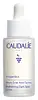
This brightening serum is formulated around Palmitoyl Grapevine Shoot Extract and Squalane to fade the look of dark spots and brighten dull-looking skin.
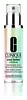
This brightening serum is formulated around Ascorbyl Glucoside and Salicylic Acid to fade the look of dark spots and brighten dull-looking skin.


What's inside
What's inside
 Key Ingredients
Benefits
Concerns
Ingredients Side-by-side
Water
Skin ConditioningButylene Glycol
Humectant

Glycerin
Humectant
Coco-Caprylate/Caprate
Emollient
Squalane
Emollient
Palmitoyl Grapevine Shoot Extract
Antioxidant


Polyglyceryl-3 Distearate
Emulsifying

Bisabolol
Antioxidant

Glyceryl Stearate
Emollient
Xanthan Gum
EmulsifyingCaprylyl Glycol
Emollient
Microcrystalline Cellulose
AbsorbentPolyacrylate Crosspolymer-6
Emulsion StabilisingPotassium Sorbate
Preservative
Glyceryl Stearate Citrate
Emollient
Citric Acid
Buffering
Sodium Phytate
Sodium Hydroxide
BufferingParfum
Masking



Water, Butylene Glycol, Glycerin, Coco-Caprylate/Caprate, Squalane, Palmitoyl Grapevine Shoot Extract, Polyglyceryl-3 Distearate, Bisabolol, Glyceryl Stearate, Xanthan Gum, Caprylyl Glycol, Microcrystalline Cellulose, Polyacrylate Crosspolymer-6, Potassium Sorbate, Glyceryl Stearate Citrate, Citric Acid, Sodium Phytate, Sodium Hydroxide, Parfum
Water
Skin ConditioningCyclopentasiloxane
Emollient
Dimethicone
Emollient
Polysilicone-11

Isododecane
EmollientButylene Glycol
Humectant
Ascorbyl Glucoside
Antioxidant
PEG-10 Dimethicone
Skin Conditioning
PEG-6
HumectantMorus Bombycis Root Extract
Skin ConditioningScutellaria Baicalensis Root Extract
Astringent
Camellia Sinensis Leaf Extract
Antimicrobial
Cucumis Sativus Fruit Extract
Emollient
Saccharomyces Lysate Extract
Humectant
Hordeum Vulgare Extract
EmollientSalicylic Acid
Masking



Triticum Vulgare Germ Extract
Skin ConditioningCholesterol
Emollient
Oryza Sativa Bran Extract
Skin Conditioning
Squalane
Emollient
Acetyl Glucosamine
Skin Conditioning
Sodium Hyaluronate
Humectant
Caffeine
Skin Conditioning
Isohexadecane
EmollientBetula Alba Bark Extract
Masking
Trametes Versicolor Extract
Sodium Rna
Skin ConditioningGlycyrrhetinic Acid
Skin Conditioning
Dimethoxytolyl Propylresorcinol
Antioxidant
Di-C12-18 Alkyl Dimonium Chloride
Skin ConditioningHelianthus Annuus Seedcake
Abrasive
Faex Extract
Skin ConditioningCaprylyl Glycol
Emollient
Propylene Glycol Dicaprate
EmollientAmmonium Acryloyldimethyltaurate/Vp Copolymer
Acrylamide/Sodium Acryloyldimethyltaurate Copolymer
Emulsion StabilisingPolysorbate 20
Emulsifying
Tocopheryl Acetate
Antioxidant
Polysorbate 80
Emulsifying
Tromethamine
BufferingSodium Hydroxide
BufferingHexylene Glycol
EmulsifyingDisodium EDTA
Sodium Benzoate
Masking
Sodium Metabisulfite
Antioxidant
Sodium Sulfite
Preservative
Phenoxyethanol
Preservative
CI 15985
Cosmetic ColorantCI 19140
Cosmetic ColorantWater, Cyclopentasiloxane, Dimethicone, Polysilicone-11, Isododecane, Butylene Glycol, Ascorbyl Glucoside, PEG-10 Dimethicone, PEG-6, Morus Bombycis Root Extract, Scutellaria Baicalensis Root Extract, Camellia Sinensis Leaf Extract, Cucumis Sativus Fruit Extract, Saccharomyces Lysate Extract, Hordeum Vulgare Extract, Salicylic Acid, Triticum Vulgare Germ Extract, Cholesterol, Oryza Sativa Bran Extract, Squalane, Acetyl Glucosamine, Sodium Hyaluronate, Caffeine, Isohexadecane, Betula Alba Bark Extract, Trametes Versicolor Extract, Sodium Rna, Glycyrrhetinic Acid, Dimethoxytolyl Propylresorcinol, Di-C12-18 Alkyl Dimonium Chloride, Helianthus Annuus Seedcake, Faex Extract, Caprylyl Glycol, Propylene Glycol Dicaprate, Ammonium Acryloyldimethyltaurate/Vp Copolymer, Acrylamide/Sodium Acryloyldimethyltaurate Copolymer, Polysorbate 20, Tocopheryl Acetate, Polysorbate 80, Tromethamine, Sodium Hydroxide, Hexylene Glycol, Disodium EDTA, Sodium Benzoate, Sodium Metabisulfite, Sodium Sulfite, Phenoxyethanol, CI 15985, CI 19140
Reviews
Ingredients Explained
These ingredients are found in both products.
Ingredients higher up in an ingredient list are typically present in a larger amount.
Butylene Glycol (or BG) is used within cosmetic products for a few different reasons:
Overall, Butylene Glycol is a safe and well-rounded ingredient that works well with other ingredients.
Though this ingredient works well with most skin types, some people with sensitive skin may experience a reaction such as allergic rashes, closed comedones, or itchiness.
Learn more about Butylene GlycolCaprylyl Glycol is a humectant, skin conditioner, emollient, and preservative booster derived from either caprylic acid or synthetically created.
Typical use levels vary from 0.3-1% as a preservative booster and go up to 2% to condition skin.
Because it is not a free-fatty acid, this ingredient is fungal acne safe (there's nothing for Malassezia to feed on).
Learn more about Caprylyl GlycolSodium Hydroxide is also known as lye or caustic soda. It is used to adjust the pH of products; many ingredients require a specific pH to be effective.
In small amounts, sodium hydroxide is considered safe to use. However, large amounts may cause chemical burns due to its high alkaline.
Your skin has a natural pH and acid mantle. This acid mantle helps prevent harmful bacteria from breaking through. The acid mantle also helps keep your skin hydrated.
"Alkaline" refers to a high pH level. A low pH level would be considered acidic.
Learn more about Sodium HydroxideSqualane is the hydrogenated and shelf-stable form of squalene (a lipid that naturally occurs in human sebum).
It is an emollient and skin conditioning agent that is able to integrate seamlessly into the skin's lipid barrier without clogging pores.
This is due to how structurally similar it is to what your skin already produces.
Though it is mostly an emollient that helps soften and hydrate skin, it also has some humectant and occlusive action. Humectants help the skin retain moisture while occlusives seal it in, making squalane a triple-threat moisturizer.
Research shows it has antioxidant capabilities that help protect against stressors like UV exposure, specifically UVA induced oxidative stress. This study also found that it supports collagen biosynthesis in human dermal fibroblasts.
No clinical study has reported significant adverse effects and irritation reactions are very rare from this ingredient (even at 100% concentration).
Overall, it's a fantastic ingredient for hydration and is suitable for all skin types.
This depends on the source. Squalane can be derived from both plants and animals. Most squalane used in skincare comes from plants.
Please note: the source of squalane is only known if disclosed by the brand. We recommend reaching out to the brand if you have any questions about their squalane.
Read more about squalene with an "e".
Though squalane is often called an oil, it’s technically not one. It is a hydrocarbon, meaning it is only made of carbon and hydrogen. True oils are triglycerides and made of fatty acids and glycerol.
The term “oil-free” isn’t regulated so companies can define it however they want. Some exclude all oils, while others just avoid mineral oil or comedogenic oils.
Squalane has a comedogenic rating of 1 from the original 1972 study that tested raw ingredients under occlusion on rabbit ears. This system is not standardized or peer-reviewed, and using the raw ingredients is very different from how diluted cosmetic formulations are used on human skin.
A comedogenic rating of 1 means it is "unlikely to clog pores" according to the original rating system.
The overall formula of a product matters more than the individual ingredients on whether or not it will cause clogged pores.
Learn more about SqualaneWater. It's the most common cosmetic ingredient of all. You'll usually see it at the top of ingredient lists, meaning that it makes up the largest part of the product.
So why is it so popular? Water most often acts as a solvent - this means that it helps dissolve other ingredients into the formulation.
You'll also recognize water as that liquid we all need to stay alive. If you see this, drink a glass of water. Remember to stay hydrated!
Learn more about Water

