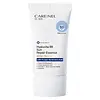
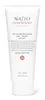
CARE:NEL Hyaluvita B5 Sun Repair Essence SPF50+ PA++++ Versus Natio Rosewater Hydration Moisture Balance Day Cream SPF 50+
This chemical sunscreen covers the full UV range and blocks ~98% of UVB at SPF 50.
This chemical sunscreen covers most of the UV range, lighter on the deep UVA that drives aging.


What's inside
What's inside
 Key Ingredients
Benefits
Concerns
Ingredients Side-by-side
Water
Skin ConditioningButylene Glycol
Humectant

Dibutyl Adipate
EmollientButyloctyl Salicylate
Skin Conditioning

Ethylhexyl Triazone
UV Absorber
Diethylamino Hydroxybenzoyl Hexyl Benzoate
UV Filter
Silica
Abrasive


Niacinamide
Smoothing








C12-15 Alkyl Benzoate
AntimicrobialDrometrizole Trisiloxane
UV Absorber
Methylene Bis-Benzotriazolyl Tetramethylbutylphenol
UV Filter
1,2-Hexanediol
Skin Conditioning
Bis-Ethylhexyloxyphenol Methoxyphenyl Triazine
UV Absorber
Propanediol
Solvent
Caprylyl Methicone
Skin Conditioning
Benzotriazolyl Dodecyl P-Cresol
UV AbsorberDicaprylyl Carbonate
EmollientDiethylhexyl 2,6-Naphthalate
EmollientCaprylic/Capric/Succinic Triglyceride
EmollientAmmonium Acryloyldimethyltaurate/Vp Copolymer
Decyl Glucoside
Cleansing
Tromethamine
BufferingAcrylates/C10-30 Alkyl Acrylate Crosspolymer
Emulsion StabilisingHydroxypropyl Methylcellulose Stearoxy Ether
Sodium Stearoyl Glutamate
CleansingPanthenol
Skin Conditioning
Ethylhexylglycerin
Skin ConditioningAdenosine
Skin Conditioning
Glycerin
Humectant
Xanthan Gum
EmulsifyingTocopherol
Antioxidant

Xylitylglucoside
Humectant
Anhydroxylitol
Humectant
Xylitol
Humectant
Sodium Hyaluronate
Humectant
Houttuynia Cordata Extract
Skin Conditioning
Hydroxypropyltrimonium Hyaluronate
Sodium Acetylated Hyaluronate
Humectant
Hydrolyzed Hyaluronic Acid
Humectant
Hyaluronic Acid
Humectant
Sodium Hyaluronate Crosspolymer
Humectant
Hydrolyzed Sodium Hyaluronate
Skin Conditioning
Potassium Hyaluronate
Skin ConditioningParfum
Masking




Water, Butylene Glycol, Dibutyl Adipate, Butyloctyl Salicylate, Ethylhexyl Triazone, Diethylamino Hydroxybenzoyl Hexyl Benzoate, Silica, Niacinamide, C12-15 Alkyl Benzoate, Drometrizole Trisiloxane, Methylene Bis-Benzotriazolyl Tetramethylbutylphenol, 1,2-Hexanediol, Bis-Ethylhexyloxyphenol Methoxyphenyl Triazine, Propanediol, Caprylyl Methicone, Benzotriazolyl Dodecyl P-Cresol, Dicaprylyl Carbonate, Diethylhexyl 2,6-Naphthalate, Caprylic/Capric/Succinic Triglyceride, Ammonium Acryloyldimethyltaurate/Vp Copolymer, Decyl Glucoside, Tromethamine, Acrylates/C10-30 Alkyl Acrylate Crosspolymer, Hydroxypropyl Methylcellulose Stearoxy Ether, Sodium Stearoyl Glutamate, Panthenol, Ethylhexylglycerin, Adenosine, Glycerin, Xanthan Gum, Tocopherol, Xylitylglucoside, Anhydroxylitol, Xylitol, Sodium Hyaluronate, Houttuynia Cordata Extract, Hydroxypropyltrimonium Hyaluronate, Sodium Acetylated Hyaluronate, Hydrolyzed Hyaluronic Acid, Hyaluronic Acid, Sodium Hyaluronate Crosspolymer, Hydrolyzed Sodium Hyaluronate, Potassium Hyaluronate, Parfum
4-Methylbenzylidene Camphor
UV Absorber
Butyl Methoxydibenzoylmethane
UV Absorber
Ethylhexyl Triazone
UV Absorber
Octocrylene
UV Absorber
Aloe Barbadensis Leaf Juice
Skin Conditioning
Magnesium Aluminum Silicate
Absorbent
Cetearyl Alcohol
Emollient



Dimethicone
Emollient
Tocopheryl Acetate
Antioxidant
Tetrasodium EDTA
ChelatingParfum
Masking
Isopropyl Palmitate
Emollient
Neopentyl Glycol
SolventNeopentyl Glycol Diheptanoate
EmollientPolyglyceryl-3 Diisostearate
Emulsifying
Propylene Glycol
Humectant
Water
Skin ConditioningRosa Centifolia Flower
MaskingSilica
Abrasive
Stearic Acid
Cleansing
Triethanolamine
BufferingXanthan Gum
Emulsifying4-Methylbenzylidene Camphor, Butyl Methoxydibenzoylmethane, Ethylhexyl Triazone, Octocrylene, Aloe Barbadensis Leaf Juice, Magnesium Aluminum Silicate, Cetearyl Alcohol, Dimethicone, Tocopheryl Acetate, Tetrasodium EDTA, Parfum, Isopropyl Palmitate, Neopentyl Glycol, Neopentyl Glycol Diheptanoate, Polyglyceryl-3 Diisostearate, Propylene Glycol, Water, Rosa Centifolia Flower, Silica, Stearic Acid, Triethanolamine, Xanthan Gum
Reviews
Ingredients Explained
These ingredients are found in both products.
Ingredients higher up in an ingredient list are typically present in a larger amount.
Ethylhexyl Triazone (aka Octyl Triazone) is an oil-soluble organic UVB filter. It has peak absorption around 314 nm, right in the middle of the UVB range.
This ingredient is described as one of the most effective UVB filters available and small concentrations are enough to deliver a high SPF thanks to its strong UV absorbing power.
Formulators love it for its stability; its ability to filter UV stays practically unchanged even under intense radiation and it can also help boost the photostability of less stable filters like avobenzone.
It's also a great pick for water resistant products because it's insoluble in water and has a good affinity for keratin.
Because it's a big, heavy molecule, the European Scientific Committee has found to to have very low dermal penetration and negative results for allergenicity.
In vitro testing also showed a low absorption rate and clean results on irritation.
Typical use levels are 1-5% with 5% being the maximum in the EU, Japan, and other markets that allow it. However, this ingredient is not approved yet in the US or Canada.
Learn more about Ethylhexyl TriazoneParfum is a catch-all term for an ingredient or more that is used to give a scent to products.
Also called "fragrance", this ingredient can be a blend of hundreds of chemicals or plant oils. This means every product with "fragrance" or "parfum" in the ingredients list is a different mixture.
For instance, Habanolide is a proprietary trade name for a specific aroma chemical. When used as a fragrance ingredient in cosmetics, most aroma chemicals fall under the broad labeling category of “FRAGRANCE” or “PARFUM” according to EU and US regulations.
The term 'parfum' or 'fragrance' is not regulated in many countries. In many cases, it is up to the brand to define this term.
For instance, many brands choose to label themselves as "fragrance-free" because they are not using synthetic fragrances. However, their products may still contain ingredients such as essential oils that are considered a fragrance by INCI standards.
One example is Calendula flower extract. Calendula is an essential oil that still imparts a scent or 'fragrance'.
Depending on the blend, the ingredients in the mixture can cause allergies and sensitivities on the skin. Some ingredients that are known EU allergens include linalool and citronellol.
Parfum can also be used to mask or cover an unpleasant scent.
The bottom line is: not all fragrances/parfum/ingredients are created equally. If you are worried about fragrances, we recommend taking a closer look at an ingredient. And of course, we always recommend speaking with a professional.
Learn more about ParfumSilica, also known as silicon dioxide, is a naturally occurring mineral. It is used as a fine, spherical, and porous powder in cosmetics.
Though it has exfoliant properties, the function of silica varies depending on the product.
The unique structure of silica enhances the spreadability and adds smoothness, making it a great texture enhancer.
It is also used as an active carrier, emulsifier, and mattifier due to its ability to absorb excess oil.
In some products, tiny microneedles called spicules are made from silica or hydrolyzed sponge. When you rub them in, they lightly polish away dead skin layers and enhance the penetration of active ingredients.
Learn more about SilicaWater. It's the most common cosmetic ingredient of all. You'll usually see it at the top of ingredient lists, meaning that it makes up the largest part of the product.
So why is it so popular? Water most often acts as a solvent - this means that it helps dissolve other ingredients into the formulation.
You'll also recognize water as that liquid we all need to stay alive. If you see this, drink a glass of water. Remember to stay hydrated!
Learn more about WaterXanthan gum is used as a stabilizer and thickener within cosmetic products. It helps give products a sticky, thick feeling - preventing them from being too runny.
On the technical side of things, xanthan gum is a polysaccharide - a combination consisting of multiple sugar molecules bonded together.
Xanthan gum is a pretty common and great ingredient. It is a natural, non-toxic, non-irritating ingredient that is also commonly used in food products.
Learn more about Xanthan Gum

