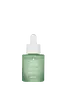
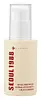
Biretix Double Correction Serum Versus K-Secret Seoul 1988 Serum Retinal Liposome 2% + Black Ginseng
This oil-control serum is formulated around Niacinamide and Potassium Azeloyl Diglycinate to balance excess oil and refine skin texture.
This anti-aging serum is formulated around Panax Ginseng Root Extract and Niacinamide to soften the look of wrinkles and refine skin texture.


What's inside
What's inside
 Key Ingredients
Benefits
Concerns
Ingredients Side-by-side
Water
Skin ConditioningNiacinamide
Smoothing











Potassium Azeloyl Diglycinate
Skin Conditioning
Caprylyl Caprylate/Caprate
Emollient
Butylene Glycol
Humectant
Caprylic/Capric Triglyceride
Masking
Coconut Alkanes
Emollient

Pentylene Glycol
Skin Conditioning
Silica
Abrasive
Steareth-100
Gel FormingArginine
Masking
Cellulose
Absorbent
Glycolic Acid
Buffering


Coco-Caprylate
Emollient
Steareth-2
EmulsifyingGlyceryl Stearate Citrate
Emollient
Glyceryl Stearate
Emollient
Polyacrylate Crosspolymer-6
Emulsion StabilisingTocopheryl Acetate
Antioxidant

Lactic Acid
Buffering
Sodium Magnesium Silicate
Citric Acid
Buffering
Parfum
Masking

Hexamidine Diisethionate
Emollient
Macadamia Integrifolia/Tetraphylla Seed Oil
Emollient
Trihydroxystearin
Skin Conditioning
Retinol
Skin Conditioning
Polysorbate 20
Emulsifying
Potassium Chloride
Phenoxyethanol
Preservative
Xanthan Gum
EmulsifyingPEG-8
HumectantSphingomonas Ferment Extract
Skin Conditioning
Tocopherol
Antioxidant
Hydroxymethoxyphenyl Decanone
Skin ConditioningDimethyl Isosorbide
SolventChlorphenesin
Antimicrobial
Caprylyl Glycol
Emollient
Ascorbyl Palmitate
Antioxidant
Hydroxypinacolone Retinoate
Skin Conditioning
Ascorbic Acid
Antioxidant
Water, Niacinamide, Potassium Azeloyl Diglycinate, Caprylyl Caprylate/Caprate, Butylene Glycol, Caprylic/Capric Triglyceride, Coconut Alkanes, Pentylene Glycol, Silica, Steareth-100, Arginine, Cellulose, Glycolic Acid, Coco-Caprylate, Steareth-2, Glyceryl Stearate Citrate, Glyceryl Stearate, Polyacrylate Crosspolymer-6, Tocopheryl Acetate, Lactic Acid, Sodium Magnesium Silicate, Citric Acid, Parfum, Hexamidine Diisethionate, Macadamia Integrifolia/Tetraphylla Seed Oil, Trihydroxystearin, Retinol, Polysorbate 20, Potassium Chloride, Phenoxyethanol, Xanthan Gum, PEG-8, Sphingomonas Ferment Extract, Tocopherol, Hydroxymethoxyphenyl Decanone, Dimethyl Isosorbide, Chlorphenesin, Caprylyl Glycol, Ascorbyl Palmitate, Hydroxypinacolone Retinoate, Ascorbic Acid
Panax Ginseng Root Extract
Emollient
Water
Skin ConditioningGlycerin
Humectant
Dipropylene Glycol
HumectantCaprylic/Capric Triglyceride
Masking
1,2-Hexanediol
Skin Conditioning
Niacinamide
Smoothing
Butylene Glycol
Humectant
Methyl Gluceth-20
Humectant
Polyglyceryl-3 Methylglucose Distearate
Emulsifying
Hydrogenated Lecithin
Emulsifying
Sorbitan Stearate
Emulsifying
Ammonium Acryloyldimethyltaurate/Vp Copolymer
Macadamia Ternifolia Seed Oil
Emollient
Carbomer
Emulsion StabilisingTromethamine
BufferingBetaine
Humectant
Tocopherol
Antioxidant
Ethylhexylglycerin
Skin ConditioningHelianthus Annuus Seed Oil
Emollient
Adenosine
Skin Conditioning
Disodium EDTA
ChelatingCholesterol
Emollient
Polyglyceryl-10 Oleate
Skin Conditioning
Brassica Campestris Sterols
EmollientPhytosteryl/Behenyl/Octyldodecyl Lauroyl Glutamate
Skin ConditioningRetinal
Skin Conditioning
Silica
Abrasive
Aluminum/Magnesium Hydroxide Stearate
Emulsion StabilisingPotassium Cetyl Phosphate
EmulsifyingPentaerythrityl Tetra-Di-T-Butyl Hydroxyhydrocinnamate
Antioxidant
Arctium Lappa Root Extract
Skin Conditioning
Cnidium Officinale Root Extract
Skin ConditioningDioscorea Japonica Root Extract
Skin Conditioning
Paeonia Suffruticosa Root Extract
Skin ProtectingRehmannia Chinensis Root Extract
Skin Conditioning3-O-Ethyl Ascorbic Acid
Skin Conditioning
Bakuchiol
Antimicrobial
Sh-Oligopeptide-1
Skin Conditioning
Sh-Oligopeptide-2
Skin Conditioning
Sh-Polypeptide-1
Skin Conditioning
Panax Ginseng Root Extract, Water, Glycerin, Dipropylene Glycol, Caprylic/Capric Triglyceride, 1,2-Hexanediol, Niacinamide, Butylene Glycol, Methyl Gluceth-20, Polyglyceryl-3 Methylglucose Distearate, Hydrogenated Lecithin, Sorbitan Stearate, Ammonium Acryloyldimethyltaurate/Vp Copolymer, Macadamia Ternifolia Seed Oil, Carbomer, Tromethamine, Betaine, Tocopherol, Ethylhexylglycerin, Helianthus Annuus Seed Oil, Adenosine, Disodium EDTA, Cholesterol, Polyglyceryl-10 Oleate, Brassica Campestris Sterols, Phytosteryl/Behenyl/Octyldodecyl Lauroyl Glutamate, Retinal, Silica, Aluminum/Magnesium Hydroxide Stearate, Potassium Cetyl Phosphate, Pentaerythrityl Tetra-Di-T-Butyl Hydroxyhydrocinnamate, Arctium Lappa Root Extract, Cnidium Officinale Root Extract, Dioscorea Japonica Root Extract, Paeonia Suffruticosa Root Extract, Rehmannia Chinensis Root Extract, 3-O-Ethyl Ascorbic Acid, Bakuchiol, Sh-Oligopeptide-1, Sh-Oligopeptide-2, Sh-Polypeptide-1
Reviews
Ingredients Explained
These ingredients are found in both products.
Ingredients higher up in an ingredient list are typically present in a larger amount.
Butylene Glycol (or BG) is used within cosmetic products for a few different reasons:
Overall, Butylene Glycol is a safe and well-rounded ingredient that works well with other ingredients.
Though this ingredient works well with most skin types, some people with sensitive skin may experience a reaction such as allergic rashes, closed comedones, or itchiness.
Learn more about Butylene GlycolCaprylic/Capric Triglyceride (aka MCT Oil) is a lightweight emollient, solvent, and texture enhancer. It is considered a skin-softener by helping to prevent moisture loss.
Though it behaves like an oil, it is not technically one due to its chemical composition. One perk of this ingredient is that it is very stable, resistant to oxidation, and unlikely to go rancid.
In practice, that translates to a long shelf life and a consistently elegant skin feel.
While there is an assumption Caprylic Triglyceride can clog pores due to it being derived from coconut oil, there is no research supporting this. Just patch test if you have concerns.
Fractionated coconut oil and MCT Oil are both listed as Caprylic/Capric Triglyceride according to INCI. This is because INCI names are based on the ingredient’s final chemical composition and not its marketing name or source.
This ingredient is treated as the gold standard fungal acne safe oil. Even though it is coconut derived, the problematic lauric acid is stripped out.
This leaves just caprylic (C8) and capric (C10) acid. These chain lengths actually trend antifungal; a 2020 study found caprylic acid was enough to disrupt Malassezia furfur cell membrane, with a caprylic acid derivative damaging membrane structures at concentrations as low as 0.2%.
Learn more about Caprylic/Capric TriglycerideNiacinamide is a multitasking form of vitamin B3 that strengthens the skin barrier, reduces pores and dark spots, regulates oil, and improves signs of aging.
And the best part? It's gentle and well-tolerated by most skin types, including sensitive and reactive skin.
You might have heard of "niacin flush", or the reddening of skin that causes itchiness. Niacinamide has not been found to cause this.
In very rare cases, some individuals may not be able to tolerate niacinamide at all or experience an allergic reaction to it.
If you are experiencing flaking, irritation, and dryness with this ingredient, be sure to double check all your products as this ingredient can be found in all categories of skincare.
When incorporating niacinamide into your routine, look out for concentration amounts. Typically, 5% niacinamide provides benefits such as fading dark spots. However, if you have sensitive skin, it is better to begin with a smaller concentration.
When you apply niacinamide to your skin, your body converts it into nicotinamide adenine dinucleotide (NAD). NAD is an essential coenzyme that is already found in your cells as "fuel" and powers countless biological processes.
In your skin, NAD helps repair cell damage, produce new healthy cells, support collagen production, strengthen the skin barrier, and fight environmental stressors (like UV and pollution).
Our natural NAD levels start to decline with age, leading to slower skin repair, visible aging, and a weaker skin barrier. By providing your skin niacinamide, you're recharging your skin's NAD levels. This leads to stronger, healthier, and younger looking skin.
Another name for vitamin B3 is nicotinamide. This vitamin is water-soluble and our bodies don't store it. We obtain Vitamin B3 from either food or skincare. Meat, fish, wheat, yeast, and leafy greens contain vitamin B3.
The type of niacinamide used in skincare is synthetically created.
Learn more about NiacinamideSilica, also known as silicon dioxide, is a naturally occurring mineral. It is used as a fine, spherical, and porous powder in cosmetics.
Though it has exfoliant properties, the function of silica varies depending on the product.
The unique structure of silica enhances the spreadability and adds smoothness, making it a great texture enhancer.
It is also used as an active carrier, emulsifier, and mattifier due to its ability to absorb excess oil.
In some products, tiny microneedles called spicules are made from silica or hydrolyzed sponge. When you rub them in, they lightly polish away dead skin layers and enhance the penetration of active ingredients.
Learn more about SilicaTocopherol is a fat-soluble antioxidant known as Vitamin E.
You'll find this ingredient in the vast majority of skincare (for good reason). It works to neutralize free radicals, or unstable molecules generated by UV exposure, pollution, and other environmental stressors, before they can cause oxidative damage to your skin cells.
Topically applied tocopherol has been shown to protect against UV damage by ramping up the skin's own natural defense enzymes.
It also acts as a skin conditioning agent; some studies show that regular topical use can improve the skin's water-binding capacity over 2-4 weeks.
This ingredient is especially loved for being a team player. When combined with Vitamin C, the photoprotective effect of both ingredients roughly doubles and the combo also helps reduce UV-induced DNA damage.
This ingredient has some brightening potential but it's more of a prevention ingredient than spot-fader. Cell studies show it can slow down melanin production but it's worth noting that it's not the most powerful brightener out there.
In formulations, it also serves as a stabilizer that helps protect other oxidation-prone ingredients from degrading.
Concentrations usually range from 0.1-1% in most leave-on products.
Learn more about TocopherolWater. It's the most common cosmetic ingredient of all. You'll usually see it at the top of ingredient lists, meaning that it makes up the largest part of the product.
So why is it so popular? Water most often acts as a solvent - this means that it helps dissolve other ingredients into the formulation.
You'll also recognize water as that liquid we all need to stay alive. If you see this, drink a glass of water. Remember to stay hydrated!
Learn more about Water

