
What's inside
What's inside
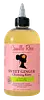 Key Ingredients
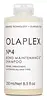
Benefits
Concerns
Ingredients Side-by-side
Zingiber Officinale Root Oil
Masking




Disodium Cocoamphodipropionate
CleansingSodium C14-16 Olefin Sulfonate
Cleansing
Cocamidopropyl Betaine
Cleansing

Citric Acid
Buffering

Pimpinella Anisum Seed Oil
Masking
Ricinus Communis Seed Oil
Masking

Phenoxyethanol
Preservative
Ethylhexylglycerin
Skin ConditioningPolyquaternium-10
Sodium Cocoyl Isethionate
Cleansing
Decyl Glucoside
Cleansing
Glycol Distearate
Emollient
Guar Hydroxypropyltrimonium Chloride
Skin ConditioningZingiber Officinale Root Oil, Disodium Cocoamphodipropionate, Sodium C14-16 Olefin Sulfonate, Cocamidopropyl Betaine, Citric Acid, Pimpinella Anisum Seed Oil, Ricinus Communis Seed Oil, Phenoxyethanol, Ethylhexylglycerin, Polyquaternium-10, Sodium Cocoyl Isethionate, Decyl Glucoside, Glycol Distearate, Guar Hydroxypropyltrimonium Chloride
Water
Skin ConditioningSodium Lauroyl Methyl Isethionate
CleansingCocamidopropyl Hydroxysultaine
Cleansing
Potassium Cocoyl Glycinate
Surfactant
Disodium Cocoyl Glutamate
Cleansing
Potassium Cocoate
Emulsifying
Sodium Lauroyl Sarcosinate
CleansingGlycereth-26
Humectant
Decyl Glucoside
Cleansing
Parfum
Masking
Phenoxyethanol
Preservative
Cocamidopropylamine Oxide
Cleansing
Sodium Cocoyl Glutamate
Cleansing
Glycol Distearate
Emollient
Disodium Laureth Sulfosuccinate
CleansingMethyl Gluceth-20
Humectant
Acrylates Copolymer
PEG-120 Methyl Glucose Dioleate
Emulsifying
Amodimethicone

Polyquaternium-10
Citric Acid
Buffering
Ethylhexylglycerin
Skin ConditioningSodium Lauryl Sulfoacetate
CleansingDivinyldimethicone/Dimethicone Copolymer
Chlorphenesin
Antimicrobial
Polyquaternium-11
Guar Hydroxypropyltrimonium Chloride
Skin ConditioningC11-15 Pareth-7
EmulsifyingTrisodium Ethylenediamine Disuccinate
ChelatingLaureth-9
EmulsifyingGlycerin
Humectant

Trideceth-12
EmulsifyingPanthenol
Skin Conditioning
Hydrolyzed Vegetable Protein Pg-Propyl Silanetriol
Skin ConditioningC12-13 Pareth-3
EmulsifyingC12-13 Pareth-23
CleansingHelianthus Annuus Seed Oil
Emollient
Tocopherol
Antioxidant



Pseudozyma Epicola/Camellia Sinensis Seed Oil Ferment Extract Filtrate
Humectant
Pseudozyma Epicola/Argania Spinosa Kernel Oil Ferment Filtrate
Skin Conditioning
Prunus Armeniaca Kernel Oil
Masking
Quaternium-95
UV AbsorberPropanediol
Solvent
Helianthus Annuus Seed Extract
Skin Conditioning
PEG-8
HumectantBis-Aminopropyl Diglycol Dimaleate
Skin ConditioningEuterpe Oleracea Fruit Extract
Rosmarinus Officinalis Leaf Extract
AntimicrobialPunica Granatum Extract
AstringentOriganum Vulgare Leaf Extract
Skin ConditioningMusa Sapientum Fruit Extract
Skin ConditioningMorinda Citrifolia Fruit Extract
Skin Conditioning
Sodium Hyaluronate
Humectant
PEG-8/Smdi Copolymer
Arctium Lappa Root Extract
Skin Conditioning
Sodium Polyacrylate
Absorbent
Palmitoyl Myristyl Serinate
Skin ConditioningCitral
Perfuming
Hexyl Cinnamal
Perfuming
Limonene
Perfuming
Biotin
AntiseborrhoeicPentaerythrityl Tetra-Di-T-Butyl Hydroxyhydrocinnamate
Antioxidant
Water, Sodium Lauroyl Methyl Isethionate, Cocamidopropyl Hydroxysultaine, Potassium Cocoyl Glycinate, Disodium Cocoyl Glutamate, Potassium Cocoate, Sodium Lauroyl Sarcosinate, Glycereth-26, Decyl Glucoside, Parfum, Phenoxyethanol, Cocamidopropylamine Oxide, Sodium Cocoyl Glutamate, Glycol Distearate, Disodium Laureth Sulfosuccinate, Methyl Gluceth-20, Acrylates Copolymer, PEG-120 Methyl Glucose Dioleate, Amodimethicone, Polyquaternium-10, Citric Acid, Ethylhexylglycerin, Sodium Lauryl Sulfoacetate, Divinyldimethicone/Dimethicone Copolymer, Chlorphenesin, Polyquaternium-11, Guar Hydroxypropyltrimonium Chloride, C11-15 Pareth-7, Trisodium Ethylenediamine Disuccinate, Laureth-9, Glycerin, Trideceth-12, Panthenol, Hydrolyzed Vegetable Protein Pg-Propyl Silanetriol, C12-13 Pareth-3, C12-13 Pareth-23, Helianthus Annuus Seed Oil, Tocopherol, Pseudozyma Epicola/Camellia Sinensis Seed Oil Ferment Extract Filtrate, Pseudozyma Epicola/Argania Spinosa Kernel Oil Ferment Filtrate, Prunus Armeniaca Kernel Oil, Quaternium-95, Propanediol, Helianthus Annuus Seed Extract, PEG-8, Bis-Aminopropyl Diglycol Dimaleate, Euterpe Oleracea Fruit Extract, Rosmarinus Officinalis Leaf Extract, Punica Granatum Extract, Origanum Vulgare Leaf Extract, Musa Sapientum Fruit Extract, Morinda Citrifolia Fruit Extract, Sodium Hyaluronate, PEG-8/Smdi Copolymer, Arctium Lappa Root Extract, Sodium Polyacrylate, Palmitoyl Myristyl Serinate, Citral, Hexyl Cinnamal, Limonene, Biotin, Pentaerythrityl Tetra-Di-T-Butyl Hydroxyhydrocinnamate
Reviews
Ingredients Explained
These ingredients are found in both products.
Ingredients higher up in an ingredient list are typically present in a larger amount.
Citric Acid is an alpha hydroxy acid (AHA) naturally found in citrus fruits like oranges, lemons, and limes.
Like other AHAs, citric acid can exfoliate skin by breaking down the bonds that hold dead skin cells together. This helps reveal smoother and brighter skin underneath.
However, this exfoliating effect only happens at high concentrations (20%) which can be hard to find in cosmetic products.
Due to this, citric acid is usually included in small amounts as a pH adjuster. This helps keep products slightly more acidic and compatible with skin's natural pH.
In skincare formulas, citric acid can:
While it can provide some skin benefits, research shows lactic acid and glycolic acid are generally more effective and less irritating exfoliants.
Most citric acid used in skincare today is made by fermenting sugars (usually from molasses). This synthetic version is identical to the natural citrus form but easier to stabilize and use in formulations.
Rosacea skin has a lower threshold for acids generally, with 62.5% of rosacea subjects in one study reacting to lactic acid in a sting test. This is why we mark citric acid as a potential rosacea trigger.
However, this ingredient shows up as a pH adjuster or chelator at roughly 0.1-1% in many products. These low levels are unlikely to be an issue for rosacea skin and becomes a potential trigger at exfoliating concentrations (20%). Because everybody's skin is unique, we recommend a patch test if you are unsure.
Learn more about Citric AcidDecyl Glucoside is a plant-derived surfactant and emulsion stabilizer. It is created by reacting glucose with the fatty acids from plants.
Like all surfactants, it works by lowering the surface tension between water and oil. This makes it so that dirt, sebum, and makeup can be lifted off your skin and rinsed away. It also produces a dense and creamy foam.
Because it has a neutral charge, it is compatible with a wide range of ingredients and stays stable across a broad pH range/water hardiness conditions.
Patch testing has shown it to have the lowest irritation potential among common cleansing surfactants (like SLS).
Typical use levels range from 5-20% in rinse-off cleansers.
One thing worth knowing: The American Contact Dermatitis Society named the parent family, alkyl glucosides, "Allergen of the Year" in 2017. The prevalence of allergy is pretty low but be sure to patch test if you've reacted to "gentle" or sulfate-free cleansers before.
This ingredient is fungal acne safe because the fatty alcohol portion of this ingredient is not within the C11-24 chain length that Malassezia can metabolize.
Learn more about Decyl GlucosideEthylhexylglycerin is created from glycerin. It is a multitasker ingredient that:
The CIR Expert Panel found minimal skin absorption or sensitization of any kind in a safety assessment. Though this ingredient is considered well-tolerated, a small number of cases of allergic dermatitis have been published since 2002. Just be sure to patch test if you are unsure.
Industry-reported use ranges from 8% in rinse-off products and 2% in leave-on formulations.
Learn more about EthylhexylglycerinGlycol Distearate is an emulsifier and emollient that adds a "pearly" appearance to formulations.
That lustrous look you see in many shampoos is due to this ingredient: when cooled, it crystallizes into small platelets that reflect light to give products that rich, shimmering look.
This ingredient is considered safe at present practices of use and concentration and repeated insult patch test with 50% Glycol Distearate on 125 subjects found no evidence of skin irritation, hypersensitivity, or acute toxicity.
Typical use concentrations range from 0.1-10%.
Because it's an ester of stearic acid, it falls into the range that Malassezia likes to metabolize. This ingredient may not be fungal acne safe.
Learn more about Glycol DistearateThis ingredient is derived from guar gum. It is a skin conditioning agent that creates a thin, breathable film to reduce water loss during cleansing.
This leaves the skin feeling soft rather than stripped and also contributes to a creamier lather.
Due to the large molecule size, this ingredient is unlikely to penetrate skin.
Learn more about Guar Hydroxypropyltrimonium ChloridePhenoxyethanol is one of the most widely used preservatives in skincare (and for good reason!).
It has a large spectrum of antimicrobial activity and especially effective bacteria, yeast, and mold while only having a weak effect on your skin's natural microbiome.
On a cellular level, it disrupts the cell membranes of microbes by poking holes that make the cell leak. This shuts down the chemical reactions the microbe needs to make energy so it can no longer survive.
Another perk of this ingredient is that it stays functional across a wide pH range (3-10).
You'll often see it paired with boosters like Ethylhexylglycerin; one study showed that a 1:9 ratio of Ethylhexylglycerin to Phenoxyethanol damages bacterial membranes as effectively as doubling the Phenoxyethanol concentration on its own.
Typical use concentrations range from 0.3-1% depending on the formula, and this ingredient is capped at 1% int the EU.
Safety-wise, the fear mongering does not hold up to the evidence. The EU's Scientific Committee on Consumer Safety and FDA consider it safe as a preservative at up to 1%, including for children of all ages.
Adverse systemic effects only showed up in animal studies at exposures roughly 200x higher than what people get from cosmetics. And despite its very widespread use, this ingredient is a rare sensitizer and allergic reactions are uncommon.
Learn more about PhenoxyethanolPolyquaternium-10 is an ammonium salt of hydroxyethylcellulose. It is a white and granular powder used as a film-former and anti-static agent.
This ingredient is commonly found in hair conditioning products. According to a manufacturer, its positive charge makes it great for absorbing hair proteins. The manufacturer also states this ingredient helps with curl retention.
For haircare friends: this ingredient is not a silicone.
Learn more about Polyquaternium-10

