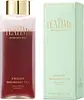
Byroe English Breakfast Tea Treatment Essence Versus Regelica Microbiome & Vitamin C Immunity Support Essence
This hydrating essence is formulated around Squalane and Camellia Sinensis Leaf Extract to hydrate skin and strengthen the skin barrier.
This brightening essence is formulated around Magnesium Ascorbyl Phosphate and Sodium Ascorbyl Phosphate to brighten dull-looking skin.


What's inside
What's inside
 Key Ingredients

Benefits
Concerns
Ingredients Side-by-side
Water
Skin ConditioningGlycerin
Humectant


Squalane
Emollient
Coco-Caprylate/Caprate
Emollient
Propanediol
Solvent
1,2-Hexanediol
Skin Conditioning
Trehalose
Humectant
Polyglyceryl-10 Laurate
Skin Conditioning

Panthenol
Skin Conditioning

Camellia Sinensis Leaf Extract
Antimicrobial



Saccharomyces/Xylinum/Black Tea Ferment
Skin Conditioning
Hydrogenated Lecithin
Emulsifying
Hydroxydecyl Ubiquinone
Antioxidant
Polyglyceryl-10 Oleate
Skin Conditioning
Caprylic/Capric Triglyceride
Masking
Tocopherol
Antioxidant

Theobroma Cacao Extract
Skin ConditioningEclipta Prostrata Extract
Skin Conditioning
Coccinia Indica Fruit Extract
Skin Conditioning
Ethylhexylglycerin
Skin ConditioningDextrin
AbsorbentCaprylyl Glycol
Emollient
Butylene Glycol
Humectant
Pentylene Glycol
Skin Conditioning
Xanthan Gum
EmulsifyingSodium Stearoyl Glutamate
CleansingLinalool
Perfuming



Citronellol
Perfuming
Geraniol
Perfuming
Parfum
Masking
Water, Glycerin, Squalane, Coco-Caprylate/Caprate, Propanediol, 1,2-Hexanediol, Trehalose, Polyglyceryl-10 Laurate, Panthenol, Camellia Sinensis Leaf Extract, Saccharomyces/Xylinum/Black Tea Ferment, Hydrogenated Lecithin, Hydroxydecyl Ubiquinone, Polyglyceryl-10 Oleate, Caprylic/Capric Triglyceride, Tocopherol, Theobroma Cacao Extract, Eclipta Prostrata Extract, Coccinia Indica Fruit Extract, Ethylhexylglycerin, Dextrin, Caprylyl Glycol, Butylene Glycol, Pentylene Glycol, Xanthan Gum, Sodium Stearoyl Glutamate, Linalool, Citronellol, Geraniol, Parfum
Water
Skin ConditioningGlycerin
Humectant
Butylene Glycol
Humectant
Pentylene Glycol
Skin Conditioning
Methylpropanediol
SolventMicrococcus Lysate
Skin ConditioningMagnesium Ascorbyl Phosphate
Antioxidant

Hippophae Rhamnoides Fruit Extract
Skin Conditioning
Sodium Ascorbyl Phosphate
Antioxidant
Streptococcus Thermophilus Ferment
Humectant
Tocopherol
Antioxidant
Hydroxydecyl Ubiquinone
Antioxidant
Sodium Hyaluronate
Humectant
Caprylic/Capric Triglyceride
Masking
1,2-Hexanediol
Skin Conditioning
Betaine
Humectant
Trehalose
Humectant
Caprylyl Glycol
Emollient
Carbomer
Emulsion StabilisingPolyglyceryl-10 Laurate
Skin Conditioning
Propanediol
Solvent
Tromethamine
BufferingEthylhexylglycerin
Skin ConditioningParfum
Masking
Sodium Phytate
ChelatingCyamopsis Tetragonoloba Gum
Emulsion StabilisingAgar
MaskingHelianthus Annuus Seed Oil
Emollient
Pyrus Malus Juice
Skin ConditioningCynanchum Atratum Extract
Skin ConditioningXanthan Gum
EmulsifyingAlthaea Rosea Flower Extract
Skin ConditioningWater, Glycerin, Butylene Glycol, Pentylene Glycol, Methylpropanediol, Micrococcus Lysate, Magnesium Ascorbyl Phosphate, Hippophae Rhamnoides Fruit Extract, Sodium Ascorbyl Phosphate, Streptococcus Thermophilus Ferment, Tocopherol, Hydroxydecyl Ubiquinone, Sodium Hyaluronate, Caprylic/Capric Triglyceride, 1,2-Hexanediol, Betaine, Trehalose, Caprylyl Glycol, Carbomer, Polyglyceryl-10 Laurate, Propanediol, Tromethamine, Ethylhexylglycerin, Parfum, Sodium Phytate, Cyamopsis Tetragonoloba Gum, Agar, Helianthus Annuus Seed Oil, Pyrus Malus Juice, Cynanchum Atratum Extract, Xanthan Gum, Althaea Rosea Flower Extract
Ingredients Explained
These ingredients are found in both products.
Ingredients higher up in an ingredient list are typically present in a larger amount.
1,2-Hexanediol is a synthetic liquid and another multi-functional powerhouse.
It is a:
- Humectant, drawing moisture into the skin
- Emollient, helping to soften skin
- Solvent, dispersing and stabilizing formulas
- Preservative booster, enhancing the antimicrobial activity of other preservatives
Butylene Glycol (or BG) is used within cosmetic products for a few different reasons:
Overall, Butylene Glycol is a safe and well-rounded ingredient that works well with other ingredients.
Though this ingredient works well with most skin types, some people with sensitive skin may experience a reaction such as allergic rashes, closed comedones, or itchiness.
Learn more about Butylene GlycolCaprylic/Capric Triglyceride (aka MCT Oil) is a lightweight emollient, solvent, and texture enhancer. It is considered a skin-softener by helping to prevent moisture loss.
Though it behaves like an oil, it is not technically one due to its chemical composition. One perk of this ingredient is that it is very stable, resistant to oxidation, and unlikely to go rancid.
In practice, that translates to a long shelf life and a consistently elegant skin feel.
While there is an assumption Caprylic Triglyceride can clog pores due to it being derived from coconut oil, there is no research supporting this. Just patch test if you have concerns.
Fractionated coconut oil and MCT Oil are both listed as Caprylic/Capric Triglyceride according to INCI. This is because INCI names are based on the ingredient’s final chemical composition and not its marketing name or source.
This ingredient is treated as the gold standard fungal acne safe oil. Even though it is coconut derived, the problematic lauric acid is stripped out.
This leaves just caprylic (C8) and capric (C10) acid. These chain lengths actually trend antifungal; a 2020 study found caprylic acid was enough to disrupt Malassezia furfur cell membrane, with a caprylic acid derivative damaging membrane structures at concentrations as low as 0.2%.
Learn more about Caprylic/Capric TriglycerideCaprylyl Glycol is a humectant, skin conditioner, emollient, and preservative booster derived from either caprylic acid or synthetically created.
Typical use levels vary from 0.3-1% as a preservative booster and go up to 2% to condition skin.
Because it is not a free-fatty acid, this ingredient is fungal acne safe (there's nothing for Malassezia to feed on).
Learn more about Caprylyl GlycolEthylhexylglycerin is created from glycerin. It is a multitasker ingredient that:
The CIR Expert Panel found minimal skin absorption or sensitization of any kind in a safety assessment. Though this ingredient is considered well-tolerated, a small number of cases of allergic dermatitis have been published since 2002. Just be sure to patch test if you are unsure.
Industry-reported use ranges from 8% in rinse-off products and 2% in leave-on formulations.
Learn more about EthylhexylglycerinGlycerin (or glycerol) is a compound naturally found in your skin. It's a powerhouse humectant that pulls water into the stratum corneum.
Topically, glycerin does several things at once:
Your skin makes glycerin on its own (mostly from sebaceous oil breakdown) and shuttles it to your outermost layer of skin, or your epidermis, via aquaporin-3.
Aquaporin-3 is a transporter that is essential for normal skin hydration, elasticity, and repair. Interestingly, mice lacking in AQP3 have dry and less elastic skin that can be fully corrected with glycerin.
This ingredient is non-irritating, plays well with almost every ingredient, and works across all skin types. Typical use is anywhere between 3-10% but can go up to 79% in some leave-on products.
Just know very high concentrations (>40%) can feel tacky in low humidity.
Glycerin is the name for this ingredient in American English. British English uses Glycerol/Glycerine.
Learn more about GlycerinHydroxydecyl Ubiquinone (aka Idebenone) is an antioxidant that helps neutralize free radicals, or the unstable molecules that break down collagen and speed up visible aging.
It's a synthetic analog of Coenzyme Q10 but with a much smaller molecular weight. In theory, this gives it greater potential to penetrate skin.
The headline claim comes from a 2005 study that ranked Idebenone's oxidative-stress protection against five popular antioxidants (Vitamin C, Vitamin E, CoQ10, Kinetin, and Alpha Lipoic Acid). This study found it performed strongly in their testing model.
A companion six-week clinical trial on 41 women with moderately photodamaged skin found a 1% Idebenone formula showed a 26% reduction in skin roughness and dryness, a 37% increase in hydration, a 29% reduction in fine-lines/wrinkles, and a 33% improvement in overall photodamage. One thing worth noting about this study is that there was no vehicle control so not all benefits can be pinned on idebenone alone.
Typical usage for this ingredient sits between 0.5-1% (both concentrations validated in clinical work).
On the safety side, Idebenone is well tolerated by most people. There are a handful of documented allergic contact dermatitis in individual users so be sure to patch test if you have sensitive or reactive skin.
Learn more about Hydroxydecyl UbiquinoneParfum is a catch-all term for an ingredient or more that is used to give a scent to products.
Also called "fragrance", this ingredient can be a blend of hundreds of chemicals or plant oils. This means every product with "fragrance" or "parfum" in the ingredients list is a different mixture.
For instance, Habanolide is a proprietary trade name for a specific aroma chemical. When used as a fragrance ingredient in cosmetics, most aroma chemicals fall under the broad labeling category of “FRAGRANCE” or “PARFUM” according to EU and US regulations.
The term 'parfum' or 'fragrance' is not regulated in many countries. In many cases, it is up to the brand to define this term.
For instance, many brands choose to label themselves as "fragrance-free" because they are not using synthetic fragrances. However, their products may still contain ingredients such as essential oils that are considered a fragrance by INCI standards.
One example is Calendula flower extract. Calendula is an essential oil that still imparts a scent or 'fragrance'.
Depending on the blend, the ingredients in the mixture can cause allergies and sensitivities on the skin. Some ingredients that are known EU allergens include linalool and citronellol.
Parfum can also be used to mask or cover an unpleasant scent.
The bottom line is: not all fragrances/parfum/ingredients are created equally. If you are worried about fragrances, we recommend taking a closer look at an ingredient. And of course, we always recommend speaking with a professional.
Learn more about ParfumPentylene Glycol (1,2-pentanediol) is a multitasking little diol with three main roles in a formula:
Research on alkanediols (the family pentylene glycol belongs to) show they work by disrupting microbial cell membranes. This disruption helps the primary preservative system in a product work more effectively at lower doses.
On the safety side, the Cosmetic Ingredient Review Expert Panel has concluded this ingredient to be safe as used in current cosmetic practices + concentrations.
Typical use levels in a formula run about 1-5%.
Learn more about Pentylene GlycolPolyglyceryl-10 Laurate is a cleansing agent and emulsifier.
It rounds up dirt, oil, and grime, so they can be rinsed off easily as a cleanser.
On the emulsifier side, it keeps your formula smooth and well-mixed by playing peacekeeper for ingredients that don't naturally get along (like oil and water).
Because it has a C12 (lauric acid) fatty acid chain, this ingredient can potentially feed the Malassezia yeast that causes fungal acne. The Malassezia yeast prefers esters with C11-C24 fatty acids.
This ingredient is an ester of lauric acid and Polyglycerin-10.
Learn more about Polyglyceryl-10 LauratePropanediol is an all-star ingredient. It softens, hydrates, and smooths the skin.
It’s often used to:
Propanediol is not likely to cause sensitivity and considered safe to use. It is derived from corn or petroleum with a clear color and no scent.
Learn more about PropanediolTocopherol is a fat-soluble antioxidant known as Vitamin E.
You'll find this ingredient in the vast majority of skincare (for good reason). It works to neutralize free radicals, or unstable molecules generated by UV exposure, pollution, and other environmental stressors, before they can cause oxidative damage to your skin cells.
Topically applied tocopherol has been shown to protect against UV damage by ramping up the skin's own natural defense enzymes.
It also acts as a skin conditioning agent; some studies show that regular topical use can improve the skin's water-binding capacity over 2-4 weeks.
This ingredient is especially loved for being a team player. When combined with Vitamin C, the photoprotective effect of both ingredients roughly doubles and the combo also helps reduce UV-induced DNA damage.
This ingredient has some brightening potential but it's more of a prevention ingredient than spot-fader. Cell studies show it can slow down melanin production but it's worth noting that it's not the most powerful brightener out there.
In formulations, it also serves as a stabilizer that helps protect other oxidation-prone ingredients from degrading.
Concentrations usually range from 0.1-1% in most leave-on products.
Learn more about TocopherolTrehalose is a disaccharide made of two glucose molecules (glucose is sugar!). Trehalose is used to help moisturize skin. It also has antioxidant properties.
As a humectant, trehalose helps draw moisture from the air to your skin. This helps keep your skin hydrated.
Due to its antioxidant properties, trehalose may help with signs of aging. Antioxidants help fight free-radical molecules, unstable molecules that may damage your skin.
In medicine, trehalose and hyaluronic acid are used to help treat dry eyes.
Some animals, plants, and bacteria create trehalose as a source of energy to survive freeze or lack of water.
Learn more about TrehaloseWater. It's the most common cosmetic ingredient of all. You'll usually see it at the top of ingredient lists, meaning that it makes up the largest part of the product.
So why is it so popular? Water most often acts as a solvent - this means that it helps dissolve other ingredients into the formulation.
You'll also recognize water as that liquid we all need to stay alive. If you see this, drink a glass of water. Remember to stay hydrated!
Learn more about WaterXanthan gum is used as a stabilizer and thickener within cosmetic products. It helps give products a sticky, thick feeling - preventing them from being too runny.
On the technical side of things, xanthan gum is a polysaccharide - a combination consisting of multiple sugar molecules bonded together.
Xanthan gum is a pretty common and great ingredient. It is a natural, non-toxic, non-irritating ingredient that is also commonly used in food products.
Learn more about Xanthan Gum

