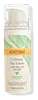
This calming day moisturizer is formulated around Helianthus Annuus Seed Oil and Oryza Sativa Extract to calm redness and hydrate skin.
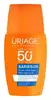
This chemical sunscreen covers the full UV range and blocks ~98% of UVB at SPF 50.


What's inside
What's inside
 Key Ingredients
Benefits
Concerns
Ingredients Side-by-side
Water
Skin ConditioningHelianthus Annuus Seed Oil
Emollient



Glycerin
Humectant

Cetyl Alcohol
Emollient

CI 77947
Zea Mays Starch
Absorbent
Gossypium Herbaceum Flower Extract
HumectantOryza Sativa Extract
Absorbent


Beta Vulgaris Root Extract
Skin ConditioningArtemisia Umbelliformis Extract
Skin ConditioningEuphrasia Officinalis Extract
AntimicrobialButyrospermum Parkii Butter
Skin Conditioning


Saccharum Officinarum Extract
MoisturisingAloe Barbadensis Leaf Juice
Skin Conditioning
Jojoba Esters
Emollient
Hydrolyzed Jojoba Esters
Skin Conditioning
Kaolin
Abrasive


Lecithin
Emollient
Sucrose
Humectant
Fructose
Humectant
Glucose
Humectant
Inositol
Humectant
Citric Acid
Buffering

Benzoic Acid
Masking
Trehalose
Humectant
Xanthan Gum
EmulsifyingGlyceryl Laurate
Emollient
Potassium Sorbate
Preservative
Sucrose Stearate
EmollientSucrose Polystearate
EmollientSodium Benzoate
Masking
Sodium Stearoyl Lactylate
EmulsifyingSodium PCA
Humectant
Alcohol Denat.
Antimicrobial


Phenoxyethanol
Preservative
Water, Helianthus Annuus Seed Oil, Glycerin, Cetyl Alcohol, CI 77947, Zea Mays Starch, Gossypium Herbaceum Flower Extract, Oryza Sativa Extract, Beta Vulgaris Root Extract, Artemisia Umbelliformis Extract, Euphrasia Officinalis Extract, Butyrospermum Parkii Butter, Saccharum Officinarum Extract, Aloe Barbadensis Leaf Juice, Jojoba Esters, Hydrolyzed Jojoba Esters, Kaolin, Lecithin, Sucrose, Fructose, Glucose, Inositol, Citric Acid, Benzoic Acid, Trehalose, Xanthan Gum, Glyceryl Laurate, Potassium Sorbate, Sucrose Stearate, Sucrose Polystearate, Sodium Benzoate, Sodium Stearoyl Lactylate, Sodium PCA, Alcohol Denat., Phenoxyethanol
Water
Skin ConditioningDicaprylyl Carbonate
EmollientHeptyl Undecylenate
EmollientMethylene Bis-Benzotriazolyl Tetramethylbutylphenol
UV Filter
Ethylhexyl Triazone
UV Absorber
Butyl Methoxydibenzoylmethane
UV Absorber
PEG-30 Dipolyhydroxystearate
Emulsifying
Dimethicone
Emollient
Silica
Abrasive
Bis-Ethylhexyloxyphenol Methoxyphenyl Triazine
UV Absorber
PEG-45/Dodecyl Glycol Copolymer
Emulsion StabilisingSodium Chloride
MaskingDecyl Glucoside
Cleansing
Magnesium Sulfate
Glycerin
Humectant
Glucose
Humectant
Glyceryl Behenate
Emollient
Benzoic Acid
Masking
Tetrasodium EDTA
ChelatingSuccinoglycan
Skin ConditioningHydrogenated Polydecene
EmollientTocopheryl Acetate
Antioxidant

Trehalose
Humectant
Citric Acid
Buffering
Propylene Glycol
Humectant
Xanthan Gum
EmulsifyingAscorbyl Tetraisopalmitate
Antioxidant
Tocopherol
Antioxidant
Spirulina Platensis Extract
Skin ProtectingPolyquaternium-51
Skin Conditioning
Water, Dicaprylyl Carbonate, Heptyl Undecylenate, Methylene Bis-Benzotriazolyl Tetramethylbutylphenol, Ethylhexyl Triazone, Butyl Methoxydibenzoylmethane, PEG-30 Dipolyhydroxystearate, Dimethicone, Silica, Bis-Ethylhexyloxyphenol Methoxyphenyl Triazine, PEG-45/Dodecyl Glycol Copolymer, Sodium Chloride, Decyl Glucoside, Magnesium Sulfate, Glycerin, Glucose, Glyceryl Behenate, Benzoic Acid, Tetrasodium EDTA, Succinoglycan, Hydrogenated Polydecene, Tocopheryl Acetate, Trehalose, Citric Acid, Propylene Glycol, Xanthan Gum, Ascorbyl Tetraisopalmitate, Tocopherol, Spirulina Platensis Extract, Polyquaternium-51
Ingredients Explained
These ingredients are found in both products.
Ingredients higher up in an ingredient list are typically present in a larger amount.
Benzoic Acid is an organic acid that shows up in cosmetics as a preservative. It helps keep a product from spoiling by holding back the growth of yeast, mold, and some bacteria.
This ingredient also functions as a fragrance ingredient that helps mask the unpleasant scent of other ingredients.
The way it works is worth understanding; benzoic acid works when the formula is acidic. It is able to sneak into a microbe's cell and mess up how it functions to stop it from growing in an acidic product.
However, the acid switches to an inactive form and stops working if a product isn't acidic enough (above ~5 pH). This is why you'll often see it in low pH products or teamed up with other preservatives to cover the gap.
Safety wise, it's one of the better studied preservatives out there.
The Cosmetic Ingredient Review Expert Panel has concluded this ingredient to be safe for use in cosmetic formulations at concentrations up to 5%.
A large international review found this ingredient had no effects on the human body and had low irritation potential.
Just so you know, real world use is usually much lower than the 5% ceiling (usually 1% of less).
The EU caps it at 2.5% in rinse-off products, 1.7% in oral care, and 0.5% in leave-on products.
One thing worth mentioning (it's nothing to worry about): some people get a little stinging or flushing where they apply it. This isn't a true allergy; it's a temporary and harmless reaction. This is the same kind of mild tingle you might notice from sorbic acid.
Learn more about Benzoic AcidCitric Acid is an alpha hydroxy acid (AHA) naturally found in citrus fruits like oranges, lemons, and limes.
Like other AHAs, citric acid can exfoliate skin by breaking down the bonds that hold dead skin cells together. This helps reveal smoother and brighter skin underneath.
However, this exfoliating effect only happens at high concentrations (20%) which can be hard to find in cosmetic products.
Due to this, citric acid is usually included in small amounts as a pH adjuster. This helps keep products slightly more acidic and compatible with skin's natural pH.
In skincare formulas, citric acid can:
While it can provide some skin benefits, research shows lactic acid and glycolic acid are generally more effective and less irritating exfoliants.
Most citric acid used in skincare today is made by fermenting sugars (usually from molasses). This synthetic version is identical to the natural citrus form but easier to stabilize and use in formulations.
Rosacea skin has a lower threshold for acids generally, with 62.5% of rosacea subjects in one study reacting to lactic acid in a sting test. This is why we mark citric acid as a potential rosacea trigger.
However, this ingredient shows up as a pH adjuster or chelator at roughly 0.1-1% in many products. These low levels are unlikely to be an issue for rosacea skin and becomes a potential trigger at exfoliating concentrations (20%). Because everybody's skin is unique, we recommend a patch test if you are unsure.
Learn more about Citric AcidGlucose is a simple sugar (a monosaccharide). In skincare, it is mostly a humectant and skin conditioning agent.
Mechanistically, it has multiple hydroxyl groups that hydrogen-bond to water. This pulls moisture into the upper layers of skin to keep the surface soft and hydrated.
It's worth knowing sugars are already a natural component of the skin's NMF (natural moisturizing factor) so it's a molecule that your stratum corneum is well-acquainted with.
Just so you know, glucose is hydrophilic (water-loving) and the stratum corneum is a strong barrier to hydrophilic compounds. This just means penetration is slow and most of the action is happening on the surface.
Gram-to-gram, glucose is not as efficient as a humectant as glycerin. This is why you'll likely see glycose paired with stronger humectants for a bigger hydration payoff.
In skincare, glucose is typically derived from corn or other starch sources.
Learn more about GlucoseGlycerin (or glycerol) is a compound naturally found in your skin. It's a powerhouse humectant that pulls water into the stratum corneum.
Topically, glycerin does several things at once:
Your skin makes glycerin on its own (mostly from sebaceous oil breakdown) and shuttles it to your outermost layer of skin, or your epidermis, via aquaporin-3.
Aquaporin-3 is a transporter that is essential for normal skin hydration, elasticity, and repair. Interestingly, mice lacking in AQP3 have dry and less elastic skin that can be fully corrected with glycerin.
This ingredient is non-irritating, plays well with almost every ingredient, and works across all skin types. Typical use is anywhere between 3-10% but can go up to 79% in some leave-on products.
Just know very high concentrations (>40%) can feel tacky in low humidity.
Glycerin is the name for this ingredient in American English. British English uses Glycerol/Glycerine.
Learn more about GlycerinTrehalose is a disaccharide made of two glucose molecules (glucose is sugar!). Trehalose is used to help moisturize skin. It also has antioxidant properties.
As a humectant, trehalose helps draw moisture from the air to your skin. This helps keep your skin hydrated.
Due to its antioxidant properties, trehalose may help with signs of aging. Antioxidants help fight free-radical molecules, unstable molecules that may damage your skin.
In medicine, trehalose and hyaluronic acid are used to help treat dry eyes.
Some animals, plants, and bacteria create trehalose as a source of energy to survive freeze or lack of water.
Learn more about TrehaloseWater. It's the most common cosmetic ingredient of all. You'll usually see it at the top of ingredient lists, meaning that it makes up the largest part of the product.
So why is it so popular? Water most often acts as a solvent - this means that it helps dissolve other ingredients into the formulation.
You'll also recognize water as that liquid we all need to stay alive. If you see this, drink a glass of water. Remember to stay hydrated!
Learn more about WaterXanthan gum is used as a stabilizer and thickener within cosmetic products. It helps give products a sticky, thick feeling - preventing them from being too runny.
On the technical side of things, xanthan gum is a polysaccharide - a combination consisting of multiple sugar molecules bonded together.
Xanthan gum is a pretty common and great ingredient. It is a natural, non-toxic, non-irritating ingredient that is also commonly used in food products.
Learn more about Xanthan Gum

