

What's inside
What's inside
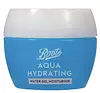 Key Ingredients
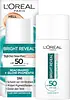
Benefits
Concerns
Ingredients Side-by-side
Water
Skin ConditioningGlycerin
Humectant


Ethylhexyl Palmitate
Emollient


Bis-Diglyceryl Polyacyladipate-2
Emollient
Hydroxyethyl Acrylate/Sodium Acryloyldimethyl Taurate Copolymer
Emulsion StabilisingPhenoxyethanol
Preservative
Polysorbate 20
Emulsifying
Carbomer
Emulsion StabilisingChlorphenesin
Antimicrobial
Ammonium Acryloyldimethyltaurate/Vp Copolymer
Alpha-Glucan Oligosaccharide
Cleansing
Sodium Hydroxide
BufferingParfum
Masking



Erythritol
Humectant
Glyceryl Glucoside
Humectant
Polysorbate 60
Emulsifying
Sorbitan Isostearate
Emulsifying
Trisodium Ethylenediamine Disuccinate
Dipropylene Glycol
HumectantPolyacrylamide
C13-14 Isoparaffin
Emollient
Sodium Hyaluronate
Humectant


Hexyl Cinnamal
Perfuming

Hibiscus Sabdariffa Fruit Extract
Laureth-7
EmulsifyingLinalool
Perfuming
Limonene
Perfuming
Water, Glycerin, Ethylhexyl Palmitate, Bis-Diglyceryl Polyacyladipate-2, Hydroxyethyl Acrylate/Sodium Acryloyldimethyl Taurate Copolymer, Phenoxyethanol, Polysorbate 20, Carbomer, Chlorphenesin, Ammonium Acryloyldimethyltaurate/Vp Copolymer, Alpha-Glucan Oligosaccharide, Sodium Hydroxide, Parfum, Erythritol, Glyceryl Glucoside, Polysorbate 60, Sorbitan Isostearate, Trisodium Ethylenediamine Disuccinate, Dipropylene Glycol, Polyacrylamide, C13-14 Isoparaffin, Sodium Hyaluronate, Hexyl Cinnamal, Hibiscus Sabdariffa Fruit Extract, Laureth-7, Linalool, Limonene
Water
Skin ConditioningDicaprylyl Carbonate
EmollientEthylhexyl Triazone
UV Absorber
Dimethicone
Emollient
Niacinamide
Smoothing







Propanediol
Solvent
Bis-Ethylhexyloxyphenol Methoxyphenyl Triazine
Skin Conditioning
Butyl Methoxydibenzoylmethane
UV Absorber
Phenylbenzimidazole Sulfonic Acid
UV Absorber
Methylene Bis-Benzotriazolyl Tetramethylbutylphenol
UV Filter
Silica
Abrasive
Alcohol Denat.
Antimicrobial

Hydroxyethylpiperazine Ethane Sulfonic Acid
BufferingDiethylamino Hydroxybenzoyl Hexyl Benzoate
UV Filter
Synthetic Fluorphlogopite
CI 77891
Cosmetic ColorantCetearyl Alcohol
Emollient

Hydroxyethyl Acrylate/Sodium Acryloyldimethyl Taurate Copolymer
Emulsion StabilisingCI 77492
Cosmetic ColorantCI 77491
Cosmetic ColorantCI 77499
Cosmetic ColorantMica
Cosmetic ColorantTocopherol
Antioxidant

Sodium Hydroxide
BufferingSodium Stearoyl Glutamate
CleansingHydroxyacetophenone
Antioxidant
Phenoxyethanol
Preservative
Trisodium Ethylenediamine Disuccinate
Polyglyceryl-10 Laurate
Skin Conditioning
Cellulose
Absorbent
Polysorbate 60
Emulsifying
Xanthan Gum
EmulsifyingTin Oxide
Abrasive
Caprylyl Glycol
Emollient
Parfum
Masking
Sorbitan Isostearate
Emulsifying
Butylene Glycol
Humectant
Cetearyl Glucoside
Emulsifying
Lauroyl Lysine
Skin Conditioning
Inulin Lauryl Carbamate
Emulsion StabilisingGlycerin
Humectant
Water, Dicaprylyl Carbonate, Ethylhexyl Triazone, Dimethicone, Niacinamide, Propanediol, Bis-Ethylhexyloxyphenol Methoxyphenyl Triazine, Butyl Methoxydibenzoylmethane, Phenylbenzimidazole Sulfonic Acid, Methylene Bis-Benzotriazolyl Tetramethylbutylphenol, Silica, Alcohol Denat., Hydroxyethylpiperazine Ethane Sulfonic Acid, Diethylamino Hydroxybenzoyl Hexyl Benzoate, Synthetic Fluorphlogopite, CI 77891, Cetearyl Alcohol, Hydroxyethyl Acrylate/Sodium Acryloyldimethyl Taurate Copolymer, CI 77492, CI 77491, CI 77499, Mica, Tocopherol, Sodium Hydroxide, Sodium Stearoyl Glutamate, Hydroxyacetophenone, Phenoxyethanol, Trisodium Ethylenediamine Disuccinate, Polyglyceryl-10 Laurate, Cellulose, Polysorbate 60, Xanthan Gum, Tin Oxide, Caprylyl Glycol, Parfum, Sorbitan Isostearate, Butylene Glycol, Cetearyl Glucoside, Lauroyl Lysine, Inulin Lauryl Carbamate, Glycerin
Reviews
Ingredients Explained
These ingredients are found in both products.
Ingredients higher up in an ingredient list are typically present in a larger amount.
Glycerin (or glycerol) is a compound naturally found in your skin. It's a powerhouse humectant that pulls water into the stratum corneum.
Topically, glycerin does several things at once:
Your skin makes glycerin on its own (mostly from sebaceous oil breakdown) and shuttles it to your outermost layer of skin, or your epidermis, via aquaporin-3.
Aquaporin-3 is a transporter that is essential for normal skin hydration, elasticity, and repair. Interestingly, mice lacking in AQP3 have dry and less elastic skin that can be fully corrected with glycerin.
This ingredient is non-irritating, plays well with almost every ingredient, and works across all skin types. Typical use is anywhere between 3-10% but can go up to 79% in some leave-on products.
Just know very high concentrations (>40%) can feel tacky in low humidity.
Glycerin is the name for this ingredient in American English. British English uses Glycerol/Glycerine.
Learn more about GlycerinThis is a synthetic polymer. It helps improve the texture of products by adding thickness and gel-like feel.
It is also an emulsifer, meaning it prevents ingredients such as oil and water from separating. It also helps evenly disperse other ingredients.
Parfum is a catch-all term for an ingredient or more that is used to give a scent to products.
Also called "fragrance", this ingredient can be a blend of hundreds of chemicals or plant oils. This means every product with "fragrance" or "parfum" in the ingredients list is a different mixture.
For instance, Habanolide is a proprietary trade name for a specific aroma chemical. When used as a fragrance ingredient in cosmetics, most aroma chemicals fall under the broad labeling category of “FRAGRANCE” or “PARFUM” according to EU and US regulations.
The term 'parfum' or 'fragrance' is not regulated in many countries. In many cases, it is up to the brand to define this term.
For instance, many brands choose to label themselves as "fragrance-free" because they are not using synthetic fragrances. However, their products may still contain ingredients such as essential oils that are considered a fragrance by INCI standards.
One example is Calendula flower extract. Calendula is an essential oil that still imparts a scent or 'fragrance'.
Depending on the blend, the ingredients in the mixture can cause allergies and sensitivities on the skin. Some ingredients that are known EU allergens include linalool and citronellol.
Parfum can also be used to mask or cover an unpleasant scent.
The bottom line is: not all fragrances/parfum/ingredients are created equally. If you are worried about fragrances, we recommend taking a closer look at an ingredient. And of course, we always recommend speaking with a professional.
Learn more about ParfumPhenoxyethanol is a preservative that has germicide, antimicrobial, and aromatic properties. Studies show that phenoxyethanol can prevent microbial growth. By itself, it has a scent that is similar to that of a rose.
It's often used in formulations along with Caprylyl Glycol to preserve the shelf life of products.
Polysorbate 60 is used to help stabilize products. It is a surfactant and emulsifier. These properties help keep ingredients together in a product. Surfactants help reduce surface tension between ingredients with different states, such as liquids and solids. Emulsifiers help prevent oils and waters from separating.
Polysorbate 60 is sorbitol-based and created from the ethoxylation of sorbitan. Ethoxylation is a chemical reaction used to add ethylene oxide. Sorbitan is a the dehydrated version of sorbitol, a sugar found in fruits.
In this case, the 60 comes from reacting 60 units of ethylene oxide with sorbitan.
Polysorbates are commonly used in medicine and foods.
Learn more about Polysorbate 60Sodium Hydroxide is also known as lye or caustic soda. It is used to adjust the pH of products; many ingredients require a specific pH to be effective.
In small amounts, sodium hydroxide is considered safe to use. However, large amounts may cause chemical burns due to its high alkaline.
Your skin has a natural pH and acid mantle. This acid mantle helps prevent harmful bacteria from breaking through. The acid mantle also helps keep your skin hydrated.
"Alkaline" refers to a high pH level. A low pH level would be considered acidic.
Learn more about Sodium HydroxideSorbitan Isostearate is an emulsifer. It is created from isostearic acid and sorbitol.
As an emulsifier, it keeps the water and oil ingredients from separating. This keeps formulas stable and smooth.
In a 24 hour occlusive patch test on 56 subjects, 10% sorbitan isostearate was completely non-irritating. Most formulas use less than 10%.
Because it's a fatty acid ester, it may not be fungal acne safe since the Malassezia yeast can utilize it as a nutrient source.
Learn more about Sorbitan IsostearateTrisodium Ethylenediamine Disuccinate is used to help stabilize a product.
It is a chelating agent, meaning it helps prevent metal ions from binding to other ingredients. This prevents unwanted reactions in products. Metal ions can come into a product via the water ingredient. They are found in trace amounts and are not known to be harmful.
Water. It's the most common cosmetic ingredient of all. You'll usually see it at the top of ingredient lists, meaning that it makes up the largest part of the product.
So why is it so popular? Water most often acts as a solvent - this means that it helps dissolve other ingredients into the formulation.
You'll also recognize water as that liquid we all need to stay alive. If you see this, drink a glass of water. Remember to stay hydrated!
Learn more about Water
