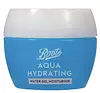
This barrier-repair moisturizer is formulated around Alpha-Glucan Oligosaccharide and Sodium Hyaluronate to strengthen the skin barrier and hydrate skin.
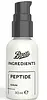
This anti-aging serum is formulated around Niacinamide and Palmitoyl Tripeptide-1 to soften the look of wrinkles and strengthen the skin barrier.

What's inside
What's inside
 Key Ingredients
Benefits
Concerns
Ingredients Side-by-side
Water
Skin ConditioningGlycerin
Humectant


Ethylhexyl Palmitate
Emollient




Bis-Diglyceryl Polyacyladipate-2
Emollient
Hydroxyethyl Acrylate/Sodium Acryloyldimethyl Taurate Copolymer
Emulsion StabilisingPhenoxyethanol
Preservative
Polysorbate 20
Emulsifying
Carbomer
Emulsion StabilisingChlorphenesin
Antimicrobial
Ammonium Acryloyldimethyltaurate/Vp Copolymer
Alpha-Glucan Oligosaccharide
Cleansing
Sodium Hydroxide
BufferingParfum
Masking


Erythritol
Humectant
Glyceryl Glucoside
Humectant
Polysorbate 60
Emulsifying
Sorbitan Isostearate
Emulsifying
Trisodium Ethylenediamine Disuccinate
ChelatingDipropylene Glycol
HumectantPolyacrylamide
C13-14 Isoparaffin
Emollient
Sodium Hyaluronate
Humectant


Hexyl Cinnamal
Perfuming
Hibiscus Sabdariffa Fruit Extract
Laureth-7
EmulsifyingLinalool
Perfuming
Limonene
Perfuming
Water, Glycerin, Ethylhexyl Palmitate, Bis-Diglyceryl Polyacyladipate-2, Hydroxyethyl Acrylate/Sodium Acryloyldimethyl Taurate Copolymer, Phenoxyethanol, Polysorbate 20, Carbomer, Chlorphenesin, Ammonium Acryloyldimethyltaurate/Vp Copolymer, Alpha-Glucan Oligosaccharide, Sodium Hydroxide, Parfum, Erythritol, Glyceryl Glucoside, Polysorbate 60, Sorbitan Isostearate, Trisodium Ethylenediamine Disuccinate, Dipropylene Glycol, Polyacrylamide, C13-14 Isoparaffin, Sodium Hyaluronate, Hexyl Cinnamal, Hibiscus Sabdariffa Fruit Extract, Laureth-7, Linalool, Limonene
Water
Skin ConditioningGlycerin
Humectant
Butylene Glycol
Humectant
Niacinamide
Smoothing







Pentylene Glycol
Skin Conditioning
1,2-Hexanediol
Skin Conditioning
Betaine
Humectant
Trehalose
Humectant
Ammonium Polyacryloyldimethyl Taurate
Emulsion StabilisingXanthan Gum
EmulsifyingSodium PCA
Humectant
Allantoin
Skin Conditioning
Hydroxyacetophenone
Antioxidant
Carnosine
Skin Conditioning
Sodium Lactate
Buffering
PCA
Humectant
Polyacrylate Crosspolymer-6
Emulsion StabilisingSodium Hyaluronate
Humectant
Disodium EDTA
ChelatingSerine
Masking
Alanine
Masking
Glycine
Buffering
Sodium Hyaluronate Crosspolymer
Humectant
Glutamic Acid
Humectant
Lysine Hcl
Skin Conditioning
Carbomer
Emulsion StabilisingThreonine
Arginine
Masking
Polysorbate 20
Emulsifying
Proline
Skin Conditioning
Palmitoyl Tripeptide-1
Skin Conditioning
Palmitoyl Tetrapeptide-7
Skin Conditioning
Water, Glycerin, Butylene Glycol, Niacinamide, Pentylene Glycol, 1,2-Hexanediol, Betaine, Trehalose, Ammonium Polyacryloyldimethyl Taurate, Xanthan Gum, Sodium PCA, Allantoin, Hydroxyacetophenone, Carnosine, Sodium Lactate, PCA, Polyacrylate Crosspolymer-6, Sodium Hyaluronate, Disodium EDTA, Serine, Alanine, Glycine, Sodium Hyaluronate Crosspolymer, Glutamic Acid, Lysine Hcl, Carbomer, Threonine, Arginine, Polysorbate 20, Proline, Palmitoyl Tripeptide-1, Palmitoyl Tetrapeptide-7
Ingredients Explained
These ingredients are found in both products.
Ingredients higher up in an ingredient list are typically present in a larger amount.
Carbomer is a synthetic thickening and gelling agent. It's basically the ingredient that gives a lot of serums, gels, creams, and sunscreens their smooth, non-sticky texture.
Although legally permitted at very high levels, carbomers are normally used at concentrations below 1%.
It also needs to be neutralized to actually thicken, and because it is a large molecule, it doesn't really penetrate the skin barrier.
Allergy-wise, the risk is very low. Clinical studies show carbomers have low potential for skin irritation/sensitization even at concentrations up to 100%.
A 2024 UK study patch-tested 1,302 patients and found true allergy to the parent group of carbomer to be rare with no confirmed relevant reactions.
Learn more about CarbomerGlycerin (or glycerol) is a compound naturally found in your skin. It's a powerhouse humectant that pulls water into the stratum corneum.
Topically, glycerin does several things at once:
Your skin makes glycerin on its own (mostly from sebaceous oil breakdown) and shuttles it to your outermost layer of skin, or your epidermis, via aquaporin-3.
Aquaporin-3 is a transporter that is essential for normal skin hydration, elasticity, and repair. Interestingly, mice lacking in AQP3 have dry and less elastic skin that can be fully corrected with glycerin.
This ingredient is non-irritating, plays well with almost every ingredient, and works across all skin types. Typical use is anywhere between 3-10% but can go up to 79% in some leave-on products.
Just know very high concentrations (>40%) can feel tacky in low humidity.
Glycerin is the name for this ingredient in American English. British English uses Glycerol/Glycerine.
Learn more about GlycerinPolysorbate 20 is a gentle, water-soluble emulsifier and mild surfactant. It stops oil and water from separating to keep your formulas blended and stable.
It also acts as a mild penetration enhancer by helping active ingredients absorb slightly better.
The common safety discussion around this ingredient involves a manufacturing byproduct called 1,4-dioxane.
Trace amounts can form during production but the EU's Scientific Committee on Consumer Safety has concluded that levels at/below 10 ppm in finished products are safe (commercial products consistently fall within acceptable margins).
True allergic reactions are uncommon and the CIR Expert Panel has confirmed this ingredient to be safe as used in cosmetics.
Because it is derived from lauric acid, it may not be fungal acne safe.
Learn more about Polysorbate 20Sodium Hyaluronate is the salt form of hyaluronic acid. It is a long sugar chain that is naturally found in your skin, joints, and connective tissue that maintains hydration and elasticity.
In skincare, it works as a humectant. It pulls water from the environment and deeper layers of skin and binds it to the surface.
Interestingly, the size of the molecule affects its behavior:
Some clinical evidence links low molecular weight versions to improved wrinkle depth, elasticity, anti-inflammatory effects, and barrier repair.
Many serums use a blend of both weights so you can get surface hydration plus longer-lasting and deeper effects.
You'll typically see concentrations between 0.1-2% for this ingredient.
Learn more about Sodium HyaluronateWater. It's the most common cosmetic ingredient of all. You'll usually see it at the top of ingredient lists, meaning that it makes up the largest part of the product.
So why is it so popular? Water most often acts as a solvent - this means that it helps dissolve other ingredients into the formulation.
You'll also recognize water as that liquid we all need to stay alive. If you see this, drink a glass of water. Remember to stay hydrated!
Learn more about Water

