
What's inside
What's inside
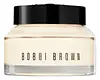 Key Ingredients
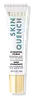
Benefits
Concerns
Ingredients Side-by-side
Water
Skin ConditioningCyclopentasiloxane
Emollient
Bis-Diglyceryl Polyacyladipate-2
Emollient

Butylene Glycol
Humectant
PPG-2 Myristyl Ether Propionate
Emollient

Cetyl Alcohol
Emollient

PEG-40 Stearate
Emulsifying
Butyrospermum Parkii Butter
Skin Conditioning
Squalane
Emollient
Glyceryl Stearate
Emollient
Sorbitan Stearate
Emulsifying
Epilobium Angustifolium Extract
Skin ConditioningYeast Extract
Skin ConditioningBeta-Carotene
Skin ConditioningSodium Hyaluronate
Humectant

Citrus Grandis Peel Oil
Masking



Tocopheryl Acetate
Antioxidant


Methyl Glucose Sesquistearate
Emollient
Pelargonium Graveolens Flower Oil
Masking

Dimethicone Crosspolymer
Emulsion Stabilising
Acrylates/C10-30 Alkyl Acrylate Crosspolymer
Emulsion StabilisingCarbomer
Emulsion StabilisingPEG-20 Methyl Glucose Sesquistearate
Emulsifying
C12-15 Alkyl Ethylhexanoate
EmollientTetrasodium EDTA
Sodium Hydroxide
BufferingPanthenol
Skin Conditioning

Magnesium Ascorbyl Phosphate
Antioxidant


Limonene
Perfuming

Citronellol
Perfuming
Geraniol
Perfuming
Linalool
Perfuming
Chlorphenesin
Antimicrobial
Phenoxyethanol
Preservative
Water, Cyclopentasiloxane, Bis-Diglyceryl Polyacyladipate-2, Butylene Glycol, PPG-2 Myristyl Ether Propionate, Cetyl Alcohol, PEG-40 Stearate, Butyrospermum Parkii Butter, Squalane, Glyceryl Stearate, Sorbitan Stearate, Epilobium Angustifolium Extract, Yeast Extract, Beta-Carotene, Sodium Hyaluronate, Citrus Grandis Peel Oil, Tocopheryl Acetate, Methyl Glucose Sesquistearate, Pelargonium Graveolens Flower Oil, Dimethicone Crosspolymer, Acrylates/C10-30 Alkyl Acrylate Crosspolymer, Carbomer, PEG-20 Methyl Glucose Sesquistearate, C12-15 Alkyl Ethylhexanoate, Tetrasodium EDTA, Sodium Hydroxide, Panthenol, Magnesium Ascorbyl Phosphate, Limonene, Citronellol, Geraniol, Linalool, Chlorphenesin, Phenoxyethanol
Water
Skin ConditioningCaprylic/Capric Triglyceride
Masking
Dimethicone
Emollient
Ethylhexyl Palmitate
Emollient
Glycerin
Humectant
Hydroxypropylcocoate PEG-8 Dimethicone
Emollient
Neopentyl Glycol Diheptanoate
EmollientPolymethylsilsesquioxane
Isododecane
EmollientPolyglyceryl-4 Diisostearate/Polyhydroxystearate/Sebacate
Emulsifying
Stearalkonium Bentonite
Gel FormingPolyglyceryl-3 Oleate
Emulsifying
Dimethicone Crosspolymer
Emulsion Stabilising
Cocos Nucifera Water
Masking
Cocos Nucifera Fruit Juice
Emollient
Allantoin
Skin Conditioning
Diisostearoyl Polyglyceryl-3 Dimer Dilinoleate
Emollient
Sodium Hyaluronate
Humectant
Silica
Abrasive

Propylene Carbonate
SolventEthylhexylglycerin
Skin ConditioningTocopherol
Antioxidant
Magnesium Sulfate
Sodium Chloride
MaskingSodium Hydroxide
BufferingGlycine Soja Oil
Emollient
Potassium Sorbate
Preservative
Sodium Benzoate
Masking
Phenoxyethanol
Preservative
Water, Caprylic/Capric Triglyceride, Dimethicone, Ethylhexyl Palmitate, Glycerin, Hydroxypropylcocoate PEG-8 Dimethicone, Neopentyl Glycol Diheptanoate, Polymethylsilsesquioxane, Isododecane, Polyglyceryl-4 Diisostearate/Polyhydroxystearate/Sebacate, Stearalkonium Bentonite, Polyglyceryl-3 Oleate, Dimethicone Crosspolymer, Cocos Nucifera Water, Cocos Nucifera Fruit Juice, Allantoin, Diisostearoyl Polyglyceryl-3 Dimer Dilinoleate, Sodium Hyaluronate, Silica, Propylene Carbonate, Ethylhexylglycerin, Tocopherol, Magnesium Sulfate, Sodium Chloride, Sodium Hydroxide, Glycine Soja Oil, Potassium Sorbate, Sodium Benzoate, Phenoxyethanol
Reviews
Ingredients Explained
These ingredients are found in both products.
Ingredients higher up in an ingredient list are typically present in a larger amount.
Dimethicone Crosspolymer is a silicone created by modifying dimethicone with hydrocarbon side chains. Due to its large size, it does not penetrate skin. It is considered non-occlusive.
Dimethicone Crosspolymer is used to stabilize and thicken products. It also helps give products a silky feel.
Phenoxyethanol is a preservative that has germicide, antimicrobial, and aromatic properties. Studies show that phenoxyethanol can prevent microbial growth. By itself, it has a scent that is similar to that of a rose.
It's often used in formulations along with Caprylyl Glycol to preserve the shelf life of products.
Sodium Hyaluronate is the salt form of hyaluronic acid. It is a long sugar chain that is naturally found in your skin, joints, and connective tissue that maintains hydration and elasticity.
In skincare, it works as a humectant. It pulls water from the environment and deeper layers of skin and binds it to the surface.
Interestingly, the size of the molecule affects its behavior:
Some clinical evidence links low molecular weight versions to improved wrinkle depth, elasticity, anti-inflammatory effects, and barrier repair.
Many serums use a blend of both weights so you can get surface hydration plus longer-lasting and deeper effects.
You'll typically see concentrations between 0.1-2% for this ingredient.
Learn more about Sodium HyaluronateSodium Hydroxide is also known as lye or caustic soda. It is used to adjust the pH of products; many ingredients require a specific pH to be effective.
In small amounts, sodium hydroxide is considered safe to use. However, large amounts may cause chemical burns due to its high alkaline.
Your skin has a natural pH and acid mantle. This acid mantle helps prevent harmful bacteria from breaking through. The acid mantle also helps keep your skin hydrated.
"Alkaline" refers to a high pH level. A low pH level would be considered acidic.
Learn more about Sodium HydroxideWater. It's the most common cosmetic ingredient of all. You'll usually see it at the top of ingredient lists, meaning that it makes up the largest part of the product.
So why is it so popular? Water most often acts as a solvent - this means that it helps dissolve other ingredients into the formulation.
You'll also recognize water as that liquid we all need to stay alive. If you see this, drink a glass of water. Remember to stay hydrated!
Learn more about Water
