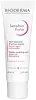
This calming moisturizer is formulated around Glycyrrhetinic Acid and Laminaria Ochroleuca Extract to calm redness and strengthen the skin barrier.
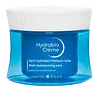
This barrier-repair moisturizer is formulated around Niacinamide and Salicylic Acid to strengthen the skin barrier.

What's inside
What's inside
 Key Ingredients
Benefits
Concerns
Ingredients Side-by-side
Water
Skin ConditioningParaffinum Liquidum
Emollient


Beeswax
Emulsion Stabilising



Propylene Glycol
Humectant
Cetyl Alcohol
Emollient

Glycyrrhetinic Acid
Skin Conditioning
Glyceryl Stearate
Emollient
Palmitic Acid
Emollient
Stearic Acid
Cleansing
Sorbitan Sesquioleate
Emulsifying
Tocopheryl Acetate
Antioxidant


Mannitol
Humectant
Xylitol
Humectant
Rhamnose
HumectantFructooligosaccharides
Humectant
Laminaria Ochroleuca Extract
Skin Conditioning
Allantoin
Skin Conditioning
Sodium PCA
Humectant
Caprylyl Glycol
Emollient
Caprylic/Capric Triglyceride
Masking
Pentylene Glycol
Skin Conditioning
1,2-Hexanediol
Skin Conditioning
Carbomer
Emulsion StabilisingTriethanolamine
BufferingWater, Paraffinum Liquidum, Beeswax, Propylene Glycol, Cetyl Alcohol, Glycyrrhetinic Acid, Glyceryl Stearate, Palmitic Acid, Stearic Acid, Sorbitan Sesquioleate, Tocopheryl Acetate, Mannitol, Xylitol, Rhamnose, Fructooligosaccharides, Laminaria Ochroleuca Extract, Allantoin, Sodium PCA, Caprylyl Glycol, Caprylic/Capric Triglyceride, Pentylene Glycol, 1,2-Hexanediol, Carbomer, Triethanolamine
Water
Skin ConditioningGlycerin
Humectant
Isododecane
EmollientCyclopentasiloxane
Emollient
Propylene Glycol Dicaprylate/Dicaprate
EmollientDimethicone
Emollient
Propanediol
Solvent
Xylitol
Humectant
Cetyl Palmitate
Emollient
Hydrogenated Polydecene
EmollientNiacinamide
Smoothing






Tridecyl Trimellitate
EmollientArachidyl Alcohol
Emollient
Polymethylsilsesquioxane
Glyceryl Dibehenate
Emollient
Behenyl Alcohol
Emollient
Hdi/Trimethylol Hexyllactone Crosspolymer
Tribehenin
Emollient
Dimethicone/Vinyl Dimethicone Crosspolymer
Skin Conditioning
Pentylene Glycol
Skin Conditioning
Tocopheryl Acetate
Antioxidant
Arachidyl Glucoside
EmulsifyingAcrylates/C10-30 Alkyl Acrylate Crosspolymer
Emulsion StabilisingHydroxyethyl Acrylate/Sodium Acryloyldimethyl Taurate Copolymer
Emulsion StabilisingGlyceryl Behenate
Emollient
Disodium EDTA
Squalane
Emollient
Salicylic Acid
Masking


Sodium Hydroxide
BufferingMannitol
Humectant
Sodium Hyaluronate
Humectant
Hexyldecanol
Emollient
Tocopherol
Antioxidant
Polysorbate 60
Emulsifying
Rhamnose
HumectantHelianthus Annuus Seed Oil
Emollient
Pyrus Malus Seed Extract
Skin ConditioningBrassica Campestris Sterols
EmollientParfum
Masking

Water, Glycerin, Isododecane, Cyclopentasiloxane, Propylene Glycol Dicaprylate/Dicaprate, Dimethicone, Propanediol, Xylitol, Cetyl Palmitate, Hydrogenated Polydecene, Niacinamide, Tridecyl Trimellitate, Arachidyl Alcohol, Polymethylsilsesquioxane, Glyceryl Dibehenate, Behenyl Alcohol, Hdi/Trimethylol Hexyllactone Crosspolymer, Tribehenin, Dimethicone/Vinyl Dimethicone Crosspolymer, Pentylene Glycol, Tocopheryl Acetate, Arachidyl Glucoside, Acrylates/C10-30 Alkyl Acrylate Crosspolymer, Hydroxyethyl Acrylate/Sodium Acryloyldimethyl Taurate Copolymer, Glyceryl Behenate, Disodium EDTA, Squalane, Salicylic Acid, Sodium Hydroxide, Mannitol, Sodium Hyaluronate, Hexyldecanol, Tocopherol, Polysorbate 60, Rhamnose, Helianthus Annuus Seed Oil, Pyrus Malus Seed Extract, Brassica Campestris Sterols, Parfum
Reviews
Ingredients Explained
These ingredients are found in both products.
Ingredients higher up in an ingredient list are typically present in a larger amount.
Mannitol is a sugar alcohol. It is a humectant and moisturizes the skin. In vitro (not tested on a living organism), mannitol displays antioxidant properties.
When found in aqueous solutions, mannitol tends to become acidic. This is because it loses a hydrogen ion. This is why mannitol can often be found with pH adjusting ingredients, such as sodium bicarbonate.
Fun fact: Mannitol can be found in foods as a sweetener. It can be naturally found in mushrooms, algae, fruits, and veggies.
Learn more about MannitolPentylene Glycol (1,2-pentanediol) is a multitasking little diol with three main roles in a formula:
Research on alkanediols (the family pentylene glycol belongs to) show they work by disrupting microbial cell membranes. This disruption helps the primary preservative system in a product work more effectively at lower doses.
On the safety side, the Cosmetic Ingredient Review Expert Panel has concluded this ingredient to be safe as used in current cosmetic practices + concentrations.
Typical use levels in a formula run about 1-5%.
Learn more about Pentylene GlycolWe don't have a description for Rhamnose yet.
Tocopheryl Acetate is a stable, shelf-friendly form of vitamin E.
Formulators love it because plain vitamin E oxidizes quickly once it hits air. This acetate version stays stable and resists going off, helping to extend a product's shelf life.
It's actually inactive on its own and works like a slow-release "storage" form; the enzymes in your skin called esterases gradually convert it into active vitamin E over time.
One in vivo study showed 5% of the acetate in the living layer of the epidermis converted to vitamin E after 5 days of application. This study also found the skin gained protection against UV damage even though the conversion was slow and small.
Once converted, vitamin E acts as a skin's main fat-soluble antioxidant that fights free radicals to protect skin from damage.
Topical vitamin E generally boosts the skin's photoprotection, and it reduced UV-damage in animal models.
This ingredient has some brightening potential but it's more of a prevention ingredient than spot-fader. Cell studies show it can slow down melanin production but it's worth noting that it's not the most powerful brightener out there.
Overall, it has a pretty solid safety profile and has been found to be non-irritating and non-comedogenic. Allergic reactions may happen but stay rare due to how widely the ingredient gets used.
The concentration will vary depending on the formula; industry data shows 0.1% in baby lotions, 3% in lipsticks, and 5% in foot powders. You can also find this ingredient at 100% in a pure vitamin E oil.
Most leave-on skincare keeps it at the lower end, often between 0.5-1%.
Learn more about Tocopheryl AcetateWater. It's the most common cosmetic ingredient of all. You'll usually see it at the top of ingredient lists, meaning that it makes up the largest part of the product.
So why is it so popular? Water most often acts as a solvent - this means that it helps dissolve other ingredients into the formulation.
You'll also recognize water as that liquid we all need to stay alive. If you see this, drink a glass of water. Remember to stay hydrated!
Learn more about WaterXylitol is a humectant and prebiotic. It can help with dry skin.
In studies, xylitol has been shown to improve dry skin. It decreased transepidermal water loss, or when water passes through the skin and evaporates. Xylitol also showed to help improve the biomechanical properties of the skin barrier.
The prebiotic property of xylitol may also help reinforce our skin's natural microbiome. Having a healthy microbiome prevents infection by bad bacteria and helps with hydration.
As a humectant, Xylitol helps draw moisture from both the air and from deeper skin layers. This helps keep skin hydrated.
Xylitol is a sugar alcohol and commonly used as a sugar substitute. It is naturally occurring in plants such as strawberries and pumpkin.
Learn more about Xylitol

