
What's inside
What's inside
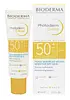 Key Ingredients
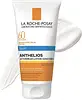
Benefits
Concerns
No concerns
Ingredients Side-by-side
Water
Skin ConditioningDiethylamino Hydroxybenzoyl Hexyl Benzoate
UV Filter
Homosalate
Skin Conditioning
Diisopropyl Sebacate
EmollientBis-Ethylhexyloxyphenol Methoxyphenyl Triazine
Skin Conditioning
Dibutyl Adipate
EmollientPropanediol
Solvent

Ethylhexyl Salicylate
UV Absorber
Ethylhexyl Triazone
UV Absorber
Glycerin
Humectant
Silica
Abrasive


CI 77891
Cosmetic ColorantSucrose Laurate
Emollient
Undecane
EmollientC20-22 Alkyl Phosphate
EmulsifyingSodium Stearoyl Glutamate
CleansingC20-22 Alcohols
Emulsion Stabilising
Sodium Polyacrylate
Absorbent
Tridecane
Perfuming
Capryloyl Glycine
CleansingSodium Hydroxide
BufferingSodium Citrate
BufferingCaprylyl Glycol
Emollient
Ectoin
Skin Conditioning



Mannitol
Humectant
Xylitol
Humectant
Rhamnose
HumectantSodium Lauroyl Glutamate
SurfactantLysine
Skin ConditioningMagnesium Chloride
Fructooligosaccharides
Humectant
Caprylic/Capric Triglyceride
Masking
Tocopherol
Antioxidant



Helianthus Annuus Seed Oil
Emollient
Laminaria Ochroleuca Extract
Skin Conditioning
Water, Diethylamino Hydroxybenzoyl Hexyl Benzoate, Homosalate, Diisopropyl Sebacate, Bis-Ethylhexyloxyphenol Methoxyphenyl Triazine, Dibutyl Adipate, Propanediol, Ethylhexyl Salicylate, Ethylhexyl Triazone, Glycerin, Silica, CI 77891, Sucrose Laurate, Undecane, C20-22 Alkyl Phosphate, Sodium Stearoyl Glutamate, C20-22 Alcohols, Sodium Polyacrylate, Tridecane, Capryloyl Glycine, Sodium Hydroxide, Sodium Citrate, Caprylyl Glycol, Ectoin, Mannitol, Xylitol, Rhamnose, Sodium Lauroyl Glutamate, Lysine, Magnesium Chloride, Fructooligosaccharides, Caprylic/Capric Triglyceride, Tocopherol, Helianthus Annuus Seed Oil, Laminaria Ochroleuca Extract
Butyl Methoxydibenzoylmethane 3%
UV Absorber
Homosalate
Skin Conditioning
Ethylhexyl Salicylate
UV Absorber
Octocrylene
UV Absorber

Water
Skin ConditioningSilica
Abrasive
Dicaprylyl Carbonate
EmollientStyrene/Acrylates Copolymer
Butyloctyl Salicylate
Skin Conditioning
Methyl Methacrylate Crosspolymer
Nylon-12
PEG-100 Stearate
Surfactant
Glyceryl Stearate
Emollient
Beeswax
Emulsion Stabilising

Perlite
Absorbent
Ammonium Polyacryloyldimethyl Taurate
Emulsion StabilisingBehenyl Alcohol
Emollient
Caprylic/Capric Triglyceride
Masking
Cassia Alata Leaf Extract
AstringentChlorphenesin
Antimicrobial
Diethylhexyl Syringylidenemalonate
Skin ProtectingDisodium EDTA
Maltodextrin
Absorbent
P-Anisic Acid
Masking
PEG-8 Laurate
Emulsifying
Phenoxyethanol
Preservative
Propylene Glycol
Humectant
Sodium Stearoyl Glutamate
CleansingTocopherol
Antioxidant
Xanthan Gum
EmulsifyingButyl Methoxydibenzoylmethane 3%, Homosalate, Ethylhexyl Salicylate, Octocrylene, Water, Silica, Dicaprylyl Carbonate, Styrene/Acrylates Copolymer, Butyloctyl Salicylate, Methyl Methacrylate Crosspolymer, Nylon-12, PEG-100 Stearate, Glyceryl Stearate, Beeswax, Perlite, Ammonium Polyacryloyldimethyl Taurate, Behenyl Alcohol, Caprylic/Capric Triglyceride, Cassia Alata Leaf Extract, Chlorphenesin, Diethylhexyl Syringylidenemalonate, Disodium EDTA, Maltodextrin, P-Anisic Acid, PEG-8 Laurate, Phenoxyethanol, Propylene Glycol, Sodium Stearoyl Glutamate, Tocopherol, Xanthan Gum
Reviews
Ingredients Explained
These ingredients are found in both products.
Ingredients higher up in an ingredient list are typically present in a larger amount.
Caprylic/Capric Triglyceride (aka MCT Oil) is a lightweight emollient, solvent, and texture enhancer. It is considered a skin-softener by helping to prevent moisture loss.
Though it behaves like an oil, it is not technically one due to its chemical composition. One perk of this ingredient is that it is very stable, resistant to oxidation, and unlikely to go rancid.
In practice, that translates to a long shelf life and a consistently elegant skin feel.
While there is an assumption Caprylic Triglyceride can clog pores due to it being derived from coconut oil, there is no research supporting this. Just patch test if you have concerns.
Fractionated coconut oil and MCT Oil are both listed as Caprylic/Capric Triglyceride according to INCI. This is because INCI names are based on the ingredient’s final chemical composition and not its marketing name or source.
This ingredient is treated as the gold standard fungal acne safe oil. Even though it is coconut derived, the problematic lauric acid is stripped out.
This leaves just caprylic (C8) and capric (C10) acid. These chain lengths actually trend antifungal; a 2020 study found caprylic acid was enough to disrupt Malassezia furfur cell membrane, with a caprylic acid derivative damaging membrane structures at concentrations as low as 0.2%.
Learn more about Caprylic/Capric TriglycerideEthylhexyl Salicylate (also called Octisalate or Octyl Salicylate) is an oil-soluble organic UV filter that's been used in sunscreen since the 1950's.
It absorbs UVB light in the 280-320 nm range with a peak absorbance around 306 nm.
You'll often see it paired with other UV filters to boost overall SPF because octisalate is a fairly week filter on its own.
The reason you'll see it so often is because it can help solubilize and stabilize the trickier filters like oxybenzone and avobenzone.
Unlike these filters, octisalate has pretty good photostability and doesn't create skin-damaging free radicals when exposed to sunlight.
The fatty-alcohol part of the molecule also gives it a light, emollient feel so it doubles as a nice texture enhancer.
Usage levels vary around the world:
Safety-wise, this ingredient has a pretty reassuring track record. The EU's Scientific Committee on Consumer Products (SCCP) found very low skin penetration in human skin tests and negative results for irritation, phototoxicity, and photoallergy.
The real-world allergy risk is pretty low too; a 2012 European study of 1,031 people recorded only 2 reactions to it (a rate of 0.19%).
You might have seen scary headlines about sunscreen getting into your blood.
In 2019, the FDA found that several chemical filters can absorb through the skin and show up in the bloodstream at small but measurable levels.
Here's the important part: these tiny levels are just a cutoff the FDA uses to decide which ingredients need more testing and doesn't mean anything harmful was found.
The researchers were clear that the results are no reason to stop wearing sunscreen.
Learn more about Ethylhexyl SalicylateHomosalate is an oil-soluble organic UVB filter that has been a sunscreen staple for decades. Its job is to absorb UVB rays (~295-315 nm) and protect your skin against sunburn,
This is one of the more photostable organic UV filters; it holds up pretty well under UV and a 2022 quantum-chemistry study found it stays stable in sunlight.
It's actually so reliable that formulators often pair it with shakier ingredients like oxybenzone and avobenzone. Formulators also use it to help dissolve the other UV filters into the oil phase.
One thing to keep in mind: "stable" isn't the same as "strong". On its own, homosalate is actually a pretty weak UV filter so it's better off as a helpful team player that helps boost overall SPF protection.
The safety picture is a bit nuanced but not scary.
This ingredient has a long track record of being gentle and regulators agree it isn't an irritant; EU's Scientific Committee on Consumer Safety found that homosalate is not considered a skin irritant and doesn't raise eye-irritation flags either.
There's talk about homosalate because your skin absorbs a little bit of it into your bloodstream. A 2020 FDA-backed study found homosalate showed up in people's blood levels at the level where the FDA decides to double check.
The EU's Scientific Committee on Consumer Safety (SCCS) also found small amounts in blood and breast milk. They estimated that about 5% of what you apply gets absorbed through the skin.
Due to the debate about whether it might mess with hormones, the SCCS recommended a maximum limit of 0.5% in most products of 7.3% in face creams/pump sprays.
One important thing to keep in mind: in the US, Homosalate is currently labeled "non-GRASE" by the FDA. This sounds alarming but really just means the FDA wants more data to confirm it's safe. It's not confidently saying this ingredient is harmful.
As of now, homosalate is still completely legal and widely used while that research gets done.
The current maximum limits are:
Learn more about HomosalateSilica, also known as silicon dioxide, is a naturally occurring mineral. It is used as a fine, spherical, and porous powder in cosmetics.
Though it has exfoliant properties, the function of silica varies depending on the product.
The unique structure of silica enhances the spreadability and adds smoothness, making it a great texture enhancer.
It is also used as an active carrier, emulsifier, and mattifier due to its ability to absorb excess oil.
In some products, tiny microneedles called spicules are made from silica or hydrolyzed sponge. When you rub them in, they lightly polish away dead skin layers and enhance the penetration of active ingredients.
Learn more about SilicaSodium Stearoyl Glutamate is an amino-acid based emulsifier. It is made by combining stearic acid with L-glutamic acid and neutralizing it to a sodium salt.
As an emulsifier, it works mainly as an oil-in-water one and helps keep the oil and water in your formulas blended. It also contributes to a smooth, non-greasy skin feel.
This ingredient is biodegradable and commonly available in natural/COSMOS-certified grades.
Learn more about Sodium Stearoyl GlutamateTocopherol is a fat-soluble antioxidant known as Vitamin E.
You'll find this ingredient in the vast majority of skincare (for good reason). It works to neutralize free radicals, or unstable molecules generated by UV exposure, pollution, and other environmental stressors, before they can cause oxidative damage to your skin cells.
Topically applied tocopherol has been shown to protect against UV damage by ramping up the skin's own natural defense enzymes.
It also acts as a skin conditioning agent; some studies show that regular topical use can improve the skin's water-binding capacity over 2-4 weeks.
This ingredient is especially loved for being a team player. When combined with Vitamin C, the photoprotective effect of both ingredients roughly doubles and the combo also helps reduce UV-induced DNA damage.
This ingredient has some brightening potential but it's more of a prevention ingredient than spot-fader. Cell studies show it can slow down melanin production but it's worth noting that it's not the most powerful brightener out there.
In formulations, it also serves as a stabilizer that helps protect other oxidation-prone ingredients from degrading.
Concentrations usually range from 0.1-1% in most leave-on products.
Learn more about TocopherolWater. It's the most common cosmetic ingredient of all. You'll usually see it at the top of ingredient lists, meaning that it makes up the largest part of the product.
So why is it so popular? Water most often acts as a solvent - this means that it helps dissolve other ingredients into the formulation.
You'll also recognize water as that liquid we all need to stay alive. If you see this, drink a glass of water. Remember to stay hydrated!
Learn more about Water
