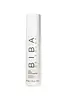
This barrier-repair moisturizer is formulated around Squalane and Sodium Hyaluronate to strengthen the skin barrier and hydrate skin.


What's inside
What's inside
 Key Ingredients
Benefits
Concerns
Ingredients Side-by-side
Water
Skin ConditioningCaprylic/Capric Triglyceride
Masking


Squalane
Emollient
Tricaprylin
Perfuming

Glycerin
Humectant
Cetyl Alcohol
Emollient


Sorbitol
Humectant
Cetyl Esters
Emollient
Potassium Cetyl Phosphate
EmulsifyingPicea Abies Extract
Skin ConditioningAloe Barbadensis Leaf Juice
Skin Conditioning

Citrus Grandis
Citrus Aurantium Dulcis Peel Cera
EmollientAscorbic Acid
Antioxidant




Sodium Hyaluronate
Humectant
Tocopherol
Antioxidant
Xanthan Gum
EmulsifyingSodium Lauroyl Lactylate
EmulsifyingCarbomer
Emulsion StabilisingDecyl Glucoside
Cleansing
Sodium Hydroxide
BufferingPhenoxyethanol
Preservative
Caprylyl Glycol
Emollient
Water, Caprylic/Capric Triglyceride, Squalane, Tricaprylin, Glycerin, Cetyl Alcohol, Sorbitol, Cetyl Esters, Potassium Cetyl Phosphate, Picea Abies Extract, Aloe Barbadensis Leaf Juice, Citrus Grandis, Citrus Aurantium Dulcis Peel Cera, Ascorbic Acid, Sodium Hyaluronate, Tocopherol, Xanthan Gum, Sodium Lauroyl Lactylate, Carbomer, Decyl Glucoside, Sodium Hydroxide, Phenoxyethanol, Caprylyl Glycol
Water
Skin ConditioningButylene Glycol
Humectant
Glycerin
Humectant
1,2-Hexanediol
Skin Conditioning
Methyl Trimethicone
Skin Conditioning
Phaseolus Angularis Seed Extract
Antioxidant
Acrylates/C10-30 Alkyl Acrylate Crosspolymer
Emulsion StabilisingTromethamine
BufferingGlyceryl Glucoside
Humectant
C12-14 Alketh-12
EmulsifyingMaltodextrin
Absorbent
Ammonium Acryloyldimethyltaurate/Vp Copolymer
Dimethicone/Vinyl Dimethicone Crosspolymer
Skin Conditioning
Dimethicone Crosspolymer
Emulsion Stabilising
Ethylhexylglycerin
Skin ConditioningBetaine
Humectant
Panthenol
Skin Conditioning
Allantoin
Skin Conditioning
Dipotassium Glycyrrhizate
Humectant
Polyquaternium-51
Skin Conditioning
Xanthan Gum
EmulsifyingDisodium EDTA
ChelatingGlyceryl Acrylate/Acrylic Acid Copolymer
HumectantDioscorea Japonica Root Extract
Skin Conditioning
Glucose
Humectant
Sodium Citrate
BufferingBeta-Glucan
Skin Conditioning
Hydrolyzed Corn Starch
HumectantCitric Acid
Buffering
Sucrose
Humectant
Magnesium Ascorbyl Phosphate
Antioxidant
Caprylyl Glycol
Emollient
Helianthus Annuus Seed Oil
Emollient
Tocopherol
Antioxidant
Cyanocobalamin
Skin ConditioningGlycine
Buffering
Serine
Masking
Glutamic Acid
Humectant
Aspartic Acid
Masking
Leucine
Skin ConditioningAcetyl Hexapeptide-8
Humectant
Alanine
Masking
Lysine
Skin ConditioningArginine
Masking
Tyrosine
MaskingPhenylalanine
Masking
Proline
Skin Conditioning
Threonine
Valine
MaskingIsoleucine
Skin ConditioningHistidine
Humectant
Cysteine
Antioxidant
Methionine
Skin ConditioningPhosphoric Acid
BufferingAscorbic Acid
Antioxidant
Sh-Oligopeptide-1
Skin Conditioning
Sh-Oligopeptide-2
Skin Conditioning
Sh-Polypeptide-1
Skin Conditioning
Water, Butylene Glycol, Glycerin, 1,2-Hexanediol, Methyl Trimethicone, Phaseolus Angularis Seed Extract, Acrylates/C10-30 Alkyl Acrylate Crosspolymer, Tromethamine, Glyceryl Glucoside, C12-14 Alketh-12, Maltodextrin, Ammonium Acryloyldimethyltaurate/Vp Copolymer, Dimethicone/Vinyl Dimethicone Crosspolymer, Dimethicone Crosspolymer, Ethylhexylglycerin, Betaine, Panthenol, Allantoin, Dipotassium Glycyrrhizate, Polyquaternium-51, Xanthan Gum, Disodium EDTA, Glyceryl Acrylate/Acrylic Acid Copolymer, Dioscorea Japonica Root Extract, Glucose, Sodium Citrate, Beta-Glucan, Hydrolyzed Corn Starch, Citric Acid, Sucrose, Magnesium Ascorbyl Phosphate, Caprylyl Glycol, Helianthus Annuus Seed Oil, Tocopherol, Cyanocobalamin, Glycine, Serine, Glutamic Acid, Aspartic Acid, Leucine, Acetyl Hexapeptide-8, Alanine, Lysine, Arginine, Tyrosine, Phenylalanine, Proline, Threonine, Valine, Isoleucine, Histidine, Cysteine, Methionine, Phosphoric Acid, Ascorbic Acid, Sh-Oligopeptide-1, Sh-Oligopeptide-2, Sh-Polypeptide-1
Reviews
Ingredients Explained
These ingredients are found in both products.
Ingredients higher up in an ingredient list are typically present in a larger amount.
Ascorbic Acid is is pure Vitamin C and is the biologically active form used directly by skin.
Not only is vitamin C great for your overall health and immune system, but it also has plenty of benefits for your skin. It is best supported by academic literature for:
Topical vitamin C has been shown to help neutralize oxidative stress from UV and pollution, helping to improve photoaging and hyperpigmentation when used consistently.
One clinical study found that using 5% topical vitamin C for six months improved signs of photodamaged skin, both on the surface and in the deeper structural layers of the skin.
While vitamin C doesn’t replace sunscreen, studies show it can boost photoprotection when combined with Vitamin E and ferulic acid. These two ingredients help improve stability and protective effects.
The big downside of this ingredient is formulation difficulty. Vitamin C is prone to oxidation and doesn't penetrate the skin unless formulated correctly. Research found that vitamin C absorbs into the skin best at a low pH (< 3.5) with about 20% being the upper limit for effective absorption.
Skin levels can saturate after repeated application; this means your skin won’t keep absorbing more once it’s full of vitamin C. This is why more isn’t always better with vitamin C and why very high concentrations don’t necessarily give extra benefits.
Ascorbic acid generally works well with many skincare ingredients but can be irritating when combined with other active ingredients. Strong oxidizing acne treatments like benzoyl peroxide can reduce the effectiveness of vitamin C if they are used at the same time; they are often recommended for use at different times of day.
Read more about other types of Vitamin C:
Foods rich with vitamin C include oranges, strawberries, broccoli, bell peppers, and more. When consuming Vitamin C, your skin receives a portion of the nutrients.
Learn more about Ascorbic AcidCaprylyl Glycol is a humectant, skin conditioner, emollient, and preservative booster derived from either caprylic acid or synthetically created.
Typical use levels vary from 0.3-1% as a preservative booster and go up to 2% to condition skin.
Because it is not a free-fatty acid, this ingredient is fungal acne safe (there's nothing for Malassezia to feed on).
Learn more about Caprylyl GlycolGlycerin (or glycerol) is a compound naturally found in your skin. It's a powerhouse humectant that pulls water into the stratum corneum.
Topically, glycerin does several things at once:
Your skin makes glycerin on its own (mostly from sebaceous oil breakdown) and shuttles it to your outermost layer of skin, or your epidermis, via aquaporin-3.
Aquaporin-3 is a transporter that is essential for normal skin hydration, elasticity, and repair. Interestingly, mice lacking in AQP3 have dry and less elastic skin that can be fully corrected with glycerin.
This ingredient is non-irritating, plays well with almost every ingredient, and works across all skin types. Typical use is anywhere between 3-10% but can go up to 79% in some leave-on products.
Just know very high concentrations (>40%) can feel tacky in low humidity.
Glycerin is the name for this ingredient in American English. British English uses Glycerol/Glycerine.
Learn more about GlycerinTocopherol is a fat-soluble antioxidant known as Vitamin E.
You'll find this ingredient in the vast majority of skincare (for good reason). It works to neutralize free radicals, or unstable molecules generated by UV exposure, pollution, and other environmental stressors, before they can cause oxidative damage to your skin cells.
Topically applied tocopherol has been shown to protect against UV damage by ramping up the skin's own natural defense enzymes.
It also acts as a skin conditioning agent; some studies show that regular topical use can improve the skin's water-binding capacity over 2-4 weeks.
This ingredient is especially loved for being a team player. When combined with Vitamin C, the photoprotective effect of both ingredients roughly doubles and the combo also helps reduce UV-induced DNA damage.
This ingredient has some brightening potential but it's more of a prevention ingredient than spot-fader. Cell studies show it can slow down melanin production but it's worth noting that it's not the most powerful brightener out there.
In formulations, it also serves as a stabilizer that helps protect other oxidation-prone ingredients from degrading.
Concentrations usually range from 0.1-1% in most leave-on products.
Learn more about TocopherolWater. It's the most common cosmetic ingredient of all. You'll usually see it at the top of ingredient lists, meaning that it makes up the largest part of the product.
So why is it so popular? Water most often acts as a solvent - this means that it helps dissolve other ingredients into the formulation.
You'll also recognize water as that liquid we all need to stay alive. If you see this, drink a glass of water. Remember to stay hydrated!
Learn more about WaterXanthan gum is used as a stabilizer and thickener within cosmetic products. It helps give products a sticky, thick feeling - preventing them from being too runny.
On the technical side of things, xanthan gum is a polysaccharide - a combination consisting of multiple sugar molecules bonded together.
Xanthan gum is a pretty common and great ingredient. It is a natural, non-toxic, non-irritating ingredient that is also commonly used in food products.
Learn more about Xanthan Gum

