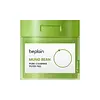
This pore-care toner pad uses a pre-saturated pad with Niacinamide and Gluconolactone to refine the look of pores and refine skin texture.
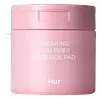
This smoothing toner pad uses a pre-saturated pad with Gluconolactone and Glycolic Acid to refine skin texture and refine the look of pores.

What's inside
What's inside
 Key Ingredients
Benefits
Concerns
Ingredients Side-by-side
Water
Skin ConditioningButylene Glycol
Humectant

Propanediol
Solvent
Niacinamide
Smoothing










Glycerin
Humectant
Methylpropanediol
Solvent1,2-Hexanediol
Skin Conditioning
Hydroxyacetophenone
Antioxidant
Ethylhexylglycerin
Skin ConditioningPolyglyceryl-10 Laurate
Skin Conditioning

Adenosine
Skin Conditioning
Xanthan Gum
EmulsifyingGlyceryl Acrylate/Acrylic Acid Copolymer
HumectantDisodium EDTA
ChelatingLactobacillus Ferment
Skin Conditioning
Phaseolus Radiatus Seed Extract
Skin ConditioningMethyl Diisopropyl Propionamide
MaskingGluconolactone
Chelating
Hamamelis Virginiana Extract
Antiseborrhoeic


Phaseolus Radiatus Sprout Extract
HumectantTremella Fuciformis Polysaccharide
Emulsion Stabilising
Centella Asiatica Leaf Extract
Skin Conditioning
Capryloyl Salicylic Acid
Exfoliating
Cucurbita Pepo Fruit Extract
Skin Conditioning
Garcinia Mangostana Peel Extract
Skin ConditioningHydrogenated Lecithin
Emulsifying
Vigna Angularis Seed Extract
Skin ProtectingSodium Hyaluronate
Humectant
Oenothera Biennis Flower Extract
AstringentPinus Palustris Leaf Extract
TonicPueraria Lobata Root Extract
HumectantUlmus Davidiana Root Extract
Skin Conditioning
Hyaluronic Acid
Humectant
Hydrolyzed Hyaluronic Acid
Humectant
Hydrolyzed Sodium Hyaluronate
Skin Conditioning
Hydroxypropyltrimonium Hyaluronate
Potassium Hyaluronate
Skin ConditioningSodium Hyaluronate Crosspolymer
Humectant
Palmitoyl Pentapeptide-4
Skin Conditioning
Acetyl Hexapeptide-8
Humectant
Tripeptide-1
Skin Conditioning
Fullerenes
AntimicrobialPalmitoyl Tripeptide-1
Skin Conditioning
Copper Tripeptide-1
Skin Conditioning
Hexapeptide-9
Skin Conditioning
Elettaria Cardamomum Seed Oil
Masking


Oligopeptide-1
Skin Conditioning
Oligopeptide-2
Skin Conditioning
Pentylene Glycol
Skin Conditioning
Sodium Acetylated Hyaluronate
Humectant
Dimethylsilanol Hyaluronate
Humectant
Sodium Hyaluronate Dimethylsilanol
HumectantWater, Butylene Glycol, Propanediol, Niacinamide, Glycerin, Methylpropanediol, 1,2-Hexanediol, Hydroxyacetophenone, Ethylhexylglycerin, Polyglyceryl-10 Laurate, Adenosine, Xanthan Gum, Glyceryl Acrylate/Acrylic Acid Copolymer, Disodium EDTA, Lactobacillus Ferment, Phaseolus Radiatus Seed Extract, Methyl Diisopropyl Propionamide, Gluconolactone, Hamamelis Virginiana Extract, Phaseolus Radiatus Sprout Extract, Tremella Fuciformis Polysaccharide, Centella Asiatica Leaf Extract, Capryloyl Salicylic Acid, Cucurbita Pepo Fruit Extract, Garcinia Mangostana Peel Extract, Hydrogenated Lecithin, Vigna Angularis Seed Extract, Sodium Hyaluronate, Oenothera Biennis Flower Extract, Pinus Palustris Leaf Extract, Pueraria Lobata Root Extract, Ulmus Davidiana Root Extract, Hyaluronic Acid, Hydrolyzed Hyaluronic Acid, Hydrolyzed Sodium Hyaluronate, Hydroxypropyltrimonium Hyaluronate, Potassium Hyaluronate, Sodium Hyaluronate Crosspolymer, Palmitoyl Pentapeptide-4, Acetyl Hexapeptide-8, Tripeptide-1, Fullerenes, Palmitoyl Tripeptide-1, Copper Tripeptide-1, Hexapeptide-9, Elettaria Cardamomum Seed Oil, Oligopeptide-1, Oligopeptide-2, Pentylene Glycol, Sodium Acetylated Hyaluronate, Dimethylsilanol Hyaluronate, Sodium Hyaluronate Dimethylsilanol
Beta Vulgaris Root Extract
Skin ConditioningWater
Skin ConditioningDipropylene Glycol
HumectantMethylpropanediol
SolventButylene Glycol
Humectant
1,2-Hexanediol
Skin Conditioning
Theobroma Cacao Seed Extract
Antioxidant
Gardenia Florida Fruit Extract
Skin ConditioningPanthenol
Skin Conditioning
Trehalose
Humectant
Disodium EDTA
ChelatingXanthan Gum
EmulsifyingTromethamine
BufferingGluconolactone
Chelating
Allantoin
Skin Conditioning
Glycolic Acid
Buffering
Dextrin
AbsorbentCyanocobalamin
Skin ConditioningSalicylic Acid
Masking

Hydroxyacetophenone
Antioxidant
Beta Vulgaris Root Extract, Water, Dipropylene Glycol, Methylpropanediol, Butylene Glycol, 1,2-Hexanediol, Theobroma Cacao Seed Extract, Gardenia Florida Fruit Extract, Panthenol, Trehalose, Disodium EDTA, Xanthan Gum, Tromethamine, Gluconolactone, Allantoin, Glycolic Acid, Dextrin, Cyanocobalamin, Salicylic Acid, Hydroxyacetophenone
Reviews
Ingredients Explained
These ingredients are found in both products.
Ingredients higher up in an ingredient list are typically present in a larger amount.
1,2-Hexanediol is a synthetic liquid and another multi-functional powerhouse.
It is a:
- Humectant, drawing moisture into the skin
- Emollient, helping to soften skin
- Solvent, dispersing and stabilizing formulas
- Preservative booster, enhancing the antimicrobial activity of other preservatives
Butylene Glycol (or BG) is used within cosmetic products for a few different reasons:
Overall, Butylene Glycol is a safe and well-rounded ingredient that works well with other ingredients.
Though this ingredient works well with most skin types, some people with sensitive skin may experience a reaction such as allergic rashes, closed comedones, or itchiness.
Learn more about Butylene GlycolDisodium EDTA is a chelating agent. It grabs onto and deactivates metal ions that sneak into your products from water, packaging, or air.
This ingredient mainly works behind the scenes and helps with:
On top of that, this ingredient can counteract the effects of hard water by binding to the minerals in it.
One thing worth knowing is that Disodium EDTA has been shown to be a mild penetration enhancer. It can help other ingredients absorb into skin more effectively which can be a double-edged sword (great for actives, but can also make the active too strong if you have sensitive skin).
Clinical patch testing showed no significant skin irritation at typical use concentrations and minimal dermal absorption.
You'll most likely see this ingredient near the end of an ingredient list. It's typically found in concentrations less than 1%.
Learn more about Disodium EDTAGluconolactone is a PHA. PHAs are a great gentle alternative to traditional AHAs.
When applied, Gluconolactone has the same affect on skin as AHAs such as lactic acid. It helps dissolve the dead skin cells in the top layer of your skin. This improves texture and brightens the skin.
PHAs are more gentle than AHAs due to their larger structure. They do not penetrate as deeply as AHAs and take a longer time to dissolve dead cells. Studies show PHAs do not cause as much irritation.
Gluconolactone has some interesting properties:
In a 2004 study, Gluconolactone was found to prevent UV damage in mouse skin cells and has not been found to increase sun sensitivity. However, we still recommend wearing SPF daily.
This ingredient is is an created by reacting gluconic acid with an alcohol.
Learn more about GluconolactoneHydroxyacetophenone is a small phenolic molecule that earns its place in a formulas as an antioxidant and preservative booster.
As a phenol, it is able to neutralize free radicals to protect both the product and the skin from oxidative stress.
Though it can't kill microbes on its own, it works as a good supporting agent when combined with other preservatives like Phenoxyethanol or 1,2-Hexanediol.
This ingredient naturally occurs as piceol in Norwegian spruce needles (~0.4-1.1% dry weight and in cloudberries). Though the cosmetic-grade material is synthesized for purity and consistency.
You'll usually see it used at low levels and suppliers recommend up to 1% added to a water phase.
Safety testing was done at concentrations like 0.05% in SPF products and 0.5% in a Human Repeated Insult Patch Test. The safety evidence is assuring; this ingredient is safe for cosmetics in current use and also holds safety status as a food flavoring as well.
An honest caveat: the "soothing" and "anti-inflammatory" claims come mostly from supplier marketing rather than published clinical trials. The Cosmetic Ingredient Review's own literature search found no useful efficacy studies on this ingredient.
So the antioxidant and preservative-boosting roles are the well supported ones while the calming benefit is plausible but thinly evidenced.
Overall, this is a well-tolerated, low-irritation multitasker that quietly helps a formula stay fresh and stable.
Learn more about HydroxyacetophenoneMethylpropanediol is a synthetic solvent and humectant.
As a solvent, it helps dissolve other ingredients, helping to evenly distribute ingredients throughout the product. This ingredient has also been shown to have antimicrobial properties which makes it a preservative booster.
Methylpropanediol is able to add a bit of moisture to the skin. It also helps other ingredients be better absorbed into the skin, such as salicylic acid.
Learn more about MethylpropanediolWater. It's the most common cosmetic ingredient of all. You'll usually see it at the top of ingredient lists, meaning that it makes up the largest part of the product.
So why is it so popular? Water most often acts as a solvent - this means that it helps dissolve other ingredients into the formulation.
You'll also recognize water as that liquid we all need to stay alive. If you see this, drink a glass of water. Remember to stay hydrated!
Learn more about WaterXanthan gum is used as a stabilizer and thickener within cosmetic products. It helps give products a sticky, thick feeling - preventing them from being too runny.
On the technical side of things, xanthan gum is a polysaccharide - a combination consisting of multiple sugar molecules bonded together.
Xanthan gum is a pretty common and great ingredient. It is a natural, non-toxic, non-irritating ingredient that is also commonly used in food products.
Learn more about Xanthan Gum

