

What's inside
What's inside
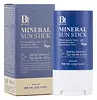 Key Ingredients
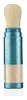
Benefits
Concerns
Ingredients Side-by-side
Coco-Caprylate/Caprate
Emollient
Helianthus Annuus Seed Wax
Skin Conditioning
Propylene Glycol Dicaprylate
EmollientHdi/Trimethylol Hexyllactone Crosspolymer
C12-15 Alkyl Benzoate
AntimicrobialTitanium Dioxide
Cosmetic Colorant

Dicaprylyl Carbonate
EmollientSynthetic Fluorphlogopite
Vinyldimethicone

Microcrystalline Wax
Emulsion StabilisingAluminum Stearate
Cosmetic ColorantPolyhydroxystearic Acid
Emulsifying
Portulaca Oleracea Extract
Skin Conditioning


Centella Asiatica Extract
Cleansing



Sodium Hyaluronate
Humectant
Hydrolyzed Hyaluronic Acid
Humectant
Sodium Acetylated Hyaluronate
Humectant
Caprylic/Capric Triglyceride
Masking
Polyglyceryl-4 Diisostearate/Polyhydroxystearate/Sebacate
Emulsifying
Silica
Abrasive


Alumina
Abrasive
Pentylene Glycol
Skin Conditioning
Allantoin
Skin Conditioning
Panthenol
Skin Conditioning
Glycerin
Humectant
Madecassic Acid
Skin Conditioning
Asiaticoside
Antioxidant
Asiatic Acid
Skin Conditioning
Xylitylglucoside
Humectant
Anhydroxylitol
Humectant
Xylitol
Humectant
Glucose
Humectant
Glyceryl Caprylate
EmollientTriethoxycaprylylsilane
Stearic Acid
Cleansing
Tocopherol
Antioxidant


Water
Skin Conditioning1,2-Hexanediol
Skin Conditioning
Ethylhexylglycerin
Skin ConditioningCoco-Caprylate/Caprate, Helianthus Annuus Seed Wax, Propylene Glycol Dicaprylate, Hdi/Trimethylol Hexyllactone Crosspolymer, C12-15 Alkyl Benzoate, Titanium Dioxide, Dicaprylyl Carbonate, Synthetic Fluorphlogopite, Vinyldimethicone, Microcrystalline Wax, Aluminum Stearate, Polyhydroxystearic Acid, Portulaca Oleracea Extract, Centella Asiatica Extract, Sodium Hyaluronate, Hydrolyzed Hyaluronic Acid, Sodium Acetylated Hyaluronate, Caprylic/Capric Triglyceride, Polyglyceryl-4 Diisostearate/Polyhydroxystearate/Sebacate, Silica, Alumina, Pentylene Glycol, Allantoin, Panthenol, Glycerin, Madecassic Acid, Asiaticoside, Asiatic Acid, Xylitylglucoside, Anhydroxylitol, Xylitol, Glucose, Glyceryl Caprylate, Triethoxycaprylylsilane, Stearic Acid, Tocopherol, Water, 1,2-Hexanediol, Ethylhexylglycerin
Titanium Dioxide 22.5%
Cosmetic Colorant
Zinc Oxide 22.5%
Cosmetic Colorant
Mica
Cosmetic ColorantDimethicone/Vinyl Dimethicone Crosspolymer
Skin Conditioning
Dimethiconol
Emollient
Lycopodium Clavatum Extract
Skin ConditioningSodium Hyaluronate
Humectant
Imperata Cylindrica Root Extract
Skin ConditioningGlycerin
Humectant
Water
Skin ConditioningCaesalpinia Spinosa Fruit Pod Extract
Vitis Vinifera Seed Extract
Antimicrobial
Camellia Sinensis Leaf Extract
Antimicrobial
Quercus Robur Wood Extract
HumectantHelianthus Annuus Sprout Extract
Skin ConditioningMaltodextrin
Absorbent
Methicone
Emollient
Triethoxycaprylylsilane
Laureth-4
Emulsifying
Sodium Benzoate
Masking
Potassium Sorbate
Preservative
CI 77288
Cosmetic ColorantIron Oxides
Titanium Dioxide 22.5%, Zinc Oxide 22.5%, Mica, Dimethicone/Vinyl Dimethicone Crosspolymer, Dimethiconol, Lycopodium Clavatum Extract, Sodium Hyaluronate, Imperata Cylindrica Root Extract, Glycerin, Water, Caesalpinia Spinosa Fruit Pod Extract, Vitis Vinifera Seed Extract, Camellia Sinensis Leaf Extract, Quercus Robur Wood Extract, Helianthus Annuus Sprout Extract, Maltodextrin, Methicone, Triethoxycaprylylsilane, Laureth-4, Sodium Benzoate, Potassium Sorbate, CI 77288, Iron Oxides
Reviews
Ingredients Explained
These ingredients are found in both products.
Ingredients higher up in an ingredient list are typically present in a larger amount.
Glycerin (or glycerol) is a compound naturally found in your skin. It's a powerhouse humectant that pulls water into the stratum corneum.
Topically, glycerin does several things at once:
Your skin makes glycerin on its own (mostly from sebaceous oil breakdown) and shuttles it to your outermost layer of skin, or your epidermis, via aquaporin-3.
Aquaporin-3 is a transporter that is essential for normal skin hydration, elasticity, and repair. Interestingly, mice lacking in AQP3 have dry and less elastic skin that can be fully corrected with glycerin.
This ingredient is non-irritating, plays well with almost every ingredient, and works across all skin types. Typical use is anywhere between 3-10% but can go up to 79% in some leave-on products.
Just know very high concentrations (>40%) can feel tacky in low humidity.
Glycerin is the name for this ingredient in American English. British English uses Glycerol/Glycerine.
Learn more about GlycerinSodium Hyaluronate is the salt form of hyaluronic acid. It is a long sugar chain that is naturally found in your skin, joints, and connective tissue that maintains hydration and elasticity.
In skincare, it works as a humectant. It pulls water from the environment and deeper layers of skin and binds it to the surface.
Interestingly, the size of the molecule affects its behavior:
Some clinical evidence links low molecular weight versions to improved wrinkle depth, elasticity, anti-inflammatory effects, and barrier repair.
Many serums use a blend of both weights so you can get surface hydration plus longer-lasting and deeper effects.
You'll typically see concentrations between 0.1-2% for this ingredient.
Learn more about Sodium HyaluronateTitanium dioxide is a mineral UV filter widely used in sunscreens and cosmetics.
It is one of only two UV filters officially classified as “mineral” by regulatory agencies, the other being zinc oxide.
Titanium dioxide provides broad-spectrum protection mostly in the UVB and UVAII range, with some protection in the UVAI range.
While its UVA protection isn’t as strong as zinc oxide’s, the difference is minor.
A common myth is that mineral UV filters reflect UV light. However, modern research shows titanium dioxide absorbs UV radiation like chemical filters (~95% absorption & 5% reflection).
Thanks to its non-irritating nature, titanium dioxide is suitable for sensitive, acne-prone, or redness-prone skin. It is unlikely to cause "eye sting" like other sunscreen ingredients.
A major drawback of this ingredient is its white cast and thick texture. This is why mineral sunscreens often leave a white cast and are less cosmetically elegant than chemical/hybrid sunscreens.
To improve white cast and spreadability, micronized or nano-sized titanium dioxide is often used.
There are ongoing concerns surrounding nano-titanium oxide's impact on marine ecosystems.
There is no conclusive evidence that any form of titanium oxide (or any other sunscreen ingredients) will cause harm to marine ecosystems or coral reefs. The science is still developing but many consumers are keeping a close eye on this issue.
Please note, many destinations have reef-safety sunscreen rules. For instance, the U.S. Virgin Islands advises all visitors to use non-nano mineral sunscreens.
Nano mineral sunscreens once raised safety concerns about absorption into skin.
Extensive research has shown that they do not penetrate healthy or damaged skin; they remain safely on the surface and the top layer of dead skin (stratum corneum).
You'll likely find titanium dioxide bundled with alumina, silica, or dimethicone. These ingredients help make titanium dioxide highly photostable; this prevents it from interacting with other formula components under UV light.
Learn more about Titanium DioxideTriethoxycaprylylsilane is a silicon-based surface modifier that makes sunscreens feel silky and makeup stay put.
Its main job is to coat mineral particles like titanium dioxide, zinc oxide, and color pigments in a thin, oily layer so they spread smoothly, don't clump, and stick to skin better.
This ingredient is typically used at low levels (up to 2.5% in eyeshadow and 1% in lipstick).
Learn more about TriethoxycaprylylsilaneWater. It's the most common cosmetic ingredient of all. You'll usually see it at the top of ingredient lists, meaning that it makes up the largest part of the product.
So why is it so popular? Water most often acts as a solvent - this means that it helps dissolve other ingredients into the formulation.
You'll also recognize water as that liquid we all need to stay alive. If you see this, drink a glass of water. Remember to stay hydrated!
Learn more about Water
