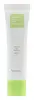
This barrier-repair moisturizer is formulated around Allantoin and Dipotassium Glycyrrhizate to strengthen the skin barrier and hydrate skin.
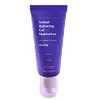
This oil-control moisturizer is formulated around Zinc Gluconate and Copper Tripeptide-1 to balance excess oil and strengthen the skin barrier.

What's inside
What's inside
 Key Ingredients
Benefits
Concerns
Ingredients Side-by-side
Water
Skin ConditioningGlycerin
Humectant


Propanediol
Solvent
1,2-Hexanediol
Skin Conditioning
Cetyl Ethylhexanoate
EmollientMethyl Trimethicone
Skin Conditioning
Polyglycerin-3
Humectant
Glyceryl Glucoside
Humectant
Ammonium Acryloyldimethyltaurate/Vp Copolymer
Carbomer
Emulsion StabilisingTromethamine
BufferingSodium Acrylate/Sodium Acryloyldimethyl Taurate Copolymer
Emulsion StabilisingHydroxyethyl Acrylate/Sodium Acryloyldimethyl Taurate Copolymer
Emulsion StabilisingPolyisobutene
Betaine
Humectant
Ethylhexylglycerin
Skin ConditioningXanthan Gum
EmulsifyingAllantoin
Skin Conditioning
Dipotassium Glycyrrhizate
Humectant
Hydrogenated Lecithin
Emulsifying
Cetearyl Alcohol
Emollient






Disodium EDTA
ChelatingStearic Acid
Cleansing
Caprylyl/Capryl Glucoside
CleansingSorbitan Oleate
Emulsifying
Sorbitan Isostearate
Emulsifying
Glucose
Humectant
Ceramide NP
Skin Conditioning

Ceramide Ns
Skin Conditioning
Cholesterol
Emollient
Phytosphingosine
Skin Conditioning
Ceramide AP
Skin Conditioning
Ceramide As
Skin Conditioning
Ceramide EOP
Skin Conditioning
Water, Glycerin, Propanediol, 1,2-Hexanediol, Cetyl Ethylhexanoate, Methyl Trimethicone, Polyglycerin-3, Glyceryl Glucoside, Ammonium Acryloyldimethyltaurate/Vp Copolymer, Carbomer, Tromethamine, Sodium Acrylate/Sodium Acryloyldimethyl Taurate Copolymer, Hydroxyethyl Acrylate/Sodium Acryloyldimethyl Taurate Copolymer, Polyisobutene, Betaine, Ethylhexylglycerin, Xanthan Gum, Allantoin, Dipotassium Glycyrrhizate, Hydrogenated Lecithin, Cetearyl Alcohol, Disodium EDTA, Stearic Acid, Caprylyl/Capryl Glucoside, Sorbitan Oleate, Sorbitan Isostearate, Glucose, Ceramide NP, Ceramide Ns, Cholesterol, Phytosphingosine, Ceramide AP, Ceramide As, Ceramide EOP
Water
Skin ConditioningGlycerin
Humectant
Vinyldimethicone
1,2-Hexanediol
Skin Conditioning
Zinc Gluconate
Skin Conditioning



Squalane
Emollient
Urtica Dioica Leaf Extract
Skin ConditioningPyridoxine Hcl
Skin ConditioningCopper Tripeptide-1
Skin Conditioning
Alchemilla Vulgaris Extract
AstringentLactobacillus Ferment
Skin Conditioning
Ceramide NP
Skin Conditioning
Ceramide AP
Skin Conditioning
Ceramide EOP
Skin Conditioning
Macrocystis Pyrifera Protein
Skin ConditioningAlgae Oligosaccharides
Skin ConditioningChlorella Ferment
Skin Conditioning
Spirulina Platensis Extract
Skin ProtectingActinidia Chinensis Fruit Extract
EmollientAnanas Sativus Fruit Extract
Skin ConditioningStellaria Media Extract
Skin ConditioningEquisetum Arvense Extract
AstringentArnica Montana Flower Extract
Masking
Sodium Lauroyl Lactylate
EmulsifyingGlycine
Buffering
Garcinia Mangostana Peel Extract
Skin ConditioningHydrolyzed Algae Extract
Skin ConditioningPlankton Extract
Skin ConditioningSaussurea Involucrata Extract
HumectantLeucojum Aestivum Bulb Extract
Skin ProtectingAgarum Cribrosum Extract
Skin ConditioningChlorella Minutissima Extract
Skin ConditioningCodium Tomentosum Extract
Skin ProtectingCodium Fragile Extract
Skin Conditioning
Dunaliella Salina Extract
Skin ConditioningEcklonia Cava Extract
Skin Conditioning
Enteromorpha Compressa Extract
Skin Protecting
Sargassum Fulvellum Extract
Skin ConditioningEuglena Gracilis Extract
Skin ConditioningFucus Vesiculosus Extract
Emollient
Gelidium Cartilagineum Extract
Skin ProtectingHizikia Fusiforme Extract
Skin Conditioning
Hypnea Musciformis Extract
Skin Protecting
Haematococcus Pluvialis Extract
Antioxidant
Hydrolyzed Ulva Lactuca Extract
Skin ConditioningJania Rubens Extract
Skin Conditioning
Laminaria Digitata Extract
Skin Protecting
Porphyra Yezoensis Extract
Skin ConditioningPikea Robusta Extract
Antioxidant
Laminaria Japonica Extract
Skin Protecting
Laminaria Cloustoni Extract
Skin ProtectingLaminaria Saccharina Extract
Skin Protecting
Salicornia Herbacea Extract
Skin ConditioningSargassum Muticum Extract
Skin ProtectingCholesterol
Emollient
Undaria Pinnatifida Extract
Skin ConditioningUlva Lactuca Extract
Skin ConditioningPhytosphingosine
Skin Conditioning
Xanthan Gum
EmulsifyingAmmonium Acryloyldimethyltaurate/Vp Copolymer
Butylene Glycol
Humectant
Carbomer
Emulsion StabilisingTromethamine
BufferingEthylhexylglycerin
Skin ConditioningDisodium EDTA
ChelatingWater, Glycerin, Vinyldimethicone, 1,2-Hexanediol, Zinc Gluconate, Squalane, Urtica Dioica Leaf Extract, Pyridoxine Hcl, Copper Tripeptide-1, Alchemilla Vulgaris Extract, Lactobacillus Ferment, Ceramide NP, Ceramide AP, Ceramide EOP, Macrocystis Pyrifera Protein, Algae Oligosaccharides, Chlorella Ferment, Spirulina Platensis Extract, Actinidia Chinensis Fruit Extract, Ananas Sativus Fruit Extract, Stellaria Media Extract, Equisetum Arvense Extract, Arnica Montana Flower Extract, Sodium Lauroyl Lactylate, Glycine, Garcinia Mangostana Peel Extract, Hydrolyzed Algae Extract, Plankton Extract, Saussurea Involucrata Extract, Leucojum Aestivum Bulb Extract, Agarum Cribrosum Extract, Chlorella Minutissima Extract, Codium Tomentosum Extract, Codium Fragile Extract, Dunaliella Salina Extract, Ecklonia Cava Extract, Enteromorpha Compressa Extract, Sargassum Fulvellum Extract, Euglena Gracilis Extract, Fucus Vesiculosus Extract, Gelidium Cartilagineum Extract, Hizikia Fusiforme Extract, Hypnea Musciformis Extract, Haematococcus Pluvialis Extract, Hydrolyzed Ulva Lactuca Extract, Jania Rubens Extract, Laminaria Digitata Extract, Porphyra Yezoensis Extract, Pikea Robusta Extract, Laminaria Japonica Extract, Laminaria Cloustoni Extract, Laminaria Saccharina Extract, Salicornia Herbacea Extract, Sargassum Muticum Extract, Cholesterol, Undaria Pinnatifida Extract, Ulva Lactuca Extract, Phytosphingosine, Xanthan Gum, Ammonium Acryloyldimethyltaurate/Vp Copolymer, Butylene Glycol, Carbomer, Tromethamine, Ethylhexylglycerin, Disodium EDTA
Ingredients Explained
These ingredients are found in both products.
Ingredients higher up in an ingredient list are typically present in a larger amount.
1,2-Hexanediol is a synthetic liquid and another multi-functional powerhouse.
It is a:
- Humectant, drawing moisture into the skin
- Emollient, helping to soften skin
- Solvent, dispersing and stabilizing formulas
- Preservative booster, enhancing the antimicrobial activity of other preservatives
Ammonium Acryloyldimethyltaurate/Vp Copolymer is a synthetically created polymer. It's used as a film-forming agent and used to thicken the consistency of products.
Think of it as a supportive ingredient that helps your gel-creams feel silky, "cloud cream-like", and spread evenly without being greasy.
The Cosmetic Ingredient Review (CIR) Expert Panel evaluated it (along with 22 other acryloyldimethyltaurate polymers) and concluded it's:
Due to its large molecular size, it sits on the surface of skin rather than penetrating it.
Learn more about Ammonium Acryloyldimethyltaurate/Vp CopolymerCarbomer is a synthetic thickening and gelling agent. It's basically the ingredient that gives a lot of serums, gels, creams, and sunscreens their smooth, non-sticky texture.
Although legally permitted at very high levels, carbomers are normally used at concentrations below 1%.
It also needs to be neutralized to actually thicken, and because it is a large molecule, it doesn't really penetrate the skin barrier.
Allergy-wise, the risk is very low. Clinical studies show carbomers have low potential for skin irritation/sensitization even at concentrations up to 100%.
A 2024 UK study patch-tested 1,302 patients and found true allergy to the parent group of carbomer to be rare with no confirmed relevant reactions.
Learn more about CarbomerCeramide AP is is a skin-identical lipid that mimics what your skin already makes naturally. Ceramides help maintain epidermal integrity and barrier function.
You'll often see this ingredient paired with other ceramides (like ceramide NP), cholesterol, or fatty acids because this combination best mimics the natural lipid mix your skin already has.
The skin's ability to produce ceramides gets disrupted in skin conditions like eczema. This in turn weakens the skin barrier and applying ceramides topically has been shown to replenish what's been lost to restore barrier function.
Most of the studies with Ceramide AP test it as part of a multi-ceramide complex; studies reinforce ceramide AP's role in rebalancing ceramides in skin and improving skin hydration.
Learn more about Ceramide APCeramide EOP is formally known as Ceramide 1.
It is naturally found in skin and part of the intercellular "mortar" holding everything together in your outermost layer.
EOP stands for a linked Ester fatty acid, a linked Omega hydroxy fatty acid, and the Phytosphingosine base.
What makes Ceramide EOP special is its ultra-long fatty acid chain; this unique structure allows it to bridge the lipid layers in your skin barrier to prevent water loss (something no other ceramide can do).
Low levels of Ceramide EOP have been found in people with eczema and psoriasis.
Using it together with other ceramides, cholesterol, and linoleic acid have been shown to meaningfully improve hydration and reduce water loss.
In one clinical study, a regimen using Ceramide EOP, NP, and AP led to significant symptom improvements in patients with eczema, psoriasis, and dry skin in just 4 weeks.
You'll usually see concentrations between 0.1-0.5% in formulations. Overall, this is a well-tolerated and safe ingredient for cosmetic use.
Learn more about Ceramide EOPCeramide NP (formerly known as Ceramide 3) is one of the skin's naturally occurring lipids.
Since ceramides are the major lipid components of the skin, they are crucial for maintaining skin barrier and hydration. Ceramide NP most closely mirrors the dominant kind in human skin amongst ceramide subtypes.
This ceramide works by slotting into gaps within the stratum corneum's lipid matrix to limit trans-epidermal water loss (TEWL) and shield the skin against external irritants.
A study with 312 patients found that using a ceramide-containing routine for 4 weeks reduced the severity of atopic dermatitis by over 61%.
Another clinical study in subjects aged 60 and older found that a ceramide body wash and moisturizer improved skin dryness and itchy skin in 15 days.
Overall, ceramides are considered non-irritating and safety tests have found little to no observable adverse effects from using this ingredient.
Ceramide NP is usually sourced from plants (like soybean or rice bran), or produced synthetically.
Learn more about Ceramide NPCholesterol is a lipid that is naturally found in human skin and is one of the three key components of your skin barrier. In skincare, it is an emollient and barrier-repairing ingredient.
It works by fitting directly into the lipid layers of skin to help restore structure and reduce transepidermal water loss (TEWL).
This is a great ingredient for dry, compromised, or aging skin; our skin starts to produce less cholesterol with age.
Research shows cholesterol works best in combination with ceramides and fatty acids, the other two major components in your skin barrier.
Cholesterol is also a well-establish penetration enhancer and can help other actives absorb more effectively.
Cosmetic-grade cholesterol is usually derived from lanolin but plant and synthetic options also exist. We recommend reaching out to the brand if you have questions about their source of cholesterol.
Learn more about CholesterolDisodium EDTA is a chelating agent. It grabs onto and deactivates metal ions that sneak into your products from water, packaging, or air.
This ingredient mainly works behind the scenes and helps with:
On top of that, this ingredient can counteract the effects of hard water by binding to the minerals in it.
One thing worth knowing is that Disodium EDTA has been shown to be a mild penetration enhancer. It can help other ingredients absorb into skin more effectively which can be a double-edged sword (great for actives, but can also make the active too strong if you have sensitive skin).
Clinical patch testing showed no significant skin irritation at typical use concentrations and minimal dermal absorption.
You'll most likely see this ingredient near the end of an ingredient list. It's typically found in concentrations less than 1%.
Learn more about Disodium EDTAEthylhexylglycerin is created from glycerin. It is a multitasker ingredient that:
The CIR Expert Panel found minimal skin absorption or sensitization of any kind in a safety assessment. Though this ingredient is considered well-tolerated, a small number of cases of allergic dermatitis have been published since 2002. Just be sure to patch test if you are unsure.
Industry-reported use ranges from 8% in rinse-off products and 2% in leave-on formulations.
Learn more about EthylhexylglycerinGlycerin (or glycerol) is a compound naturally found in your skin. It's a powerhouse humectant that pulls water into the stratum corneum.
Topically, glycerin does several things at once:
Your skin makes glycerin on its own (mostly from sebaceous oil breakdown) and shuttles it to your outermost layer of skin, or your epidermis, via aquaporin-3.
Aquaporin-3 is a transporter that is essential for normal skin hydration, elasticity, and repair. Interestingly, mice lacking in AQP3 have dry and less elastic skin that can be fully corrected with glycerin.
This ingredient is non-irritating, plays well with almost every ingredient, and works across all skin types. Typical use is anywhere between 3-10% but can go up to 79% in some leave-on products.
Just know very high concentrations (>40%) can feel tacky in low humidity.
Glycerin is the name for this ingredient in American English. British English uses Glycerol/Glycerine.
Learn more about GlycerinPhytosphingosine is a phospholipid naturally found in our skin as a building block for ceramides.. It helps moisturize, soothe, and protect skin.
Phytosphingosine contributes to your skin's natural moisturizing factor (NMF). The NMF is responsible for hydration, a strong barrier, and plasticity. Our NMF decreases with age. Increasing NMF leads to more healthy and hydrated skin.
Studies show products formulated with NMF ingredients help strengthen our skin's barrier. Having a healthy skin barrier reduces irritation and increases hydration. Our skin barrier is responsible for having plump and firm skin. It also helps protect our skin against infection, allergies, and inflammation.
Fun fact: Phytosphingosine is abundant in plants and fungi.
More ingredients that help boost collagen in skin:
Learn more about PhytosphingosineTromethamine (aka THAM) is a synthetic amino acid that shows up in skincare as a helper ingredient.
It functions as a pH adjuster to help neutralize acidic ingredients and set a formula's pH to the right spot.
This matters a lot because a lot of actives (like vitamin C) needs a specific pH to work well and feel comfortable on skin.
Concentration use ranges from 0.1-1.0% depending on the formula.
Learn more about TromethamineWater. It's the most common cosmetic ingredient of all. You'll usually see it at the top of ingredient lists, meaning that it makes up the largest part of the product.
So why is it so popular? Water most often acts as a solvent - this means that it helps dissolve other ingredients into the formulation.
You'll also recognize water as that liquid we all need to stay alive. If you see this, drink a glass of water. Remember to stay hydrated!
Learn more about WaterXanthan gum is used as a stabilizer and thickener within cosmetic products. It helps give products a sticky, thick feeling - preventing them from being too runny.
On the technical side of things, xanthan gum is a polysaccharide - a combination consisting of multiple sugar molecules bonded together.
Xanthan gum is a pretty common and great ingredient. It is a natural, non-toxic, non-irritating ingredient that is also commonly used in food products.
Learn more about Xanthan Gum


