
What's inside
What's inside
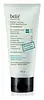 Key Ingredients
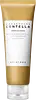
Benefits
Concerns
Ingredients Side-by-side
Myristic Acid
Cleansing




Water
Skin ConditioningGlycerin
Humectant

Dipropylene Glycol
HumectantStearic Acid
Cleansing
Potassium Hydroxide
BufferingGlycol Distearate
Emollient
Glyceryl Stearate
Emollient
Cocamidopropyl Betaine
Cleansing

PEG-100 Stearate
Surfactant
Sodium Methyl Cocoyl Taurate
Cleansing
Hydrogenated Polydecene
EmollientPEG-40 Hydrogenated Castor Oil
Emulsifying
Melaleuca Alternifolia Leaf Oil
Antioxidant




Calendula Officinalis Flower Extract
Masking

Nepeta Cataria Extract
TonicAvena Sativa Kernel Extract
Abrasive
Rubus Idaeus Leaf Extract
Skin ConditioningStellaria Media Extract
Skin ConditioningBaptisia Tinctoria Root Extract
Skin ConditioningArctium Lappa Root Extract
Skin Conditioning
Lavandula Angustifolia Flower Extract
Cleansing
Rosmarinus Officinalis Leaf Extract
AntimicrobialEchinacea Angustifolia Extract
MoisturisingSalix Alba Bark Extract
Astringent
Dextrin
AbsorbentTocopheryl Acetate
Antioxidant

1,2-Hexanediol
Skin Conditioning
Trisodium EDTA
ChelatingCitrus Aurantium Bergamia Fruit Oil
Masking
Eucalyptus Globulus Leaf Oil
Perfuming
Rosmarinus Officinalis Leaf Oil
Masking
Parfum
Masking
Citral
Perfuming
Citronellol
Perfuming
Limonene
Perfuming
Geraniol
Perfuming
Linalool
Perfuming
Myristic Acid, Water, Glycerin, Dipropylene Glycol, Stearic Acid, Potassium Hydroxide, Glycol Distearate, Glyceryl Stearate, Cocamidopropyl Betaine, PEG-100 Stearate, Sodium Methyl Cocoyl Taurate, Hydrogenated Polydecene, PEG-40 Hydrogenated Castor Oil, Melaleuca Alternifolia Leaf Oil, Calendula Officinalis Flower Extract, Nepeta Cataria Extract, Avena Sativa Kernel Extract, Rubus Idaeus Leaf Extract, Stellaria Media Extract, Baptisia Tinctoria Root Extract, Arctium Lappa Root Extract, Lavandula Angustifolia Flower Extract, Rosmarinus Officinalis Leaf Extract, Echinacea Angustifolia Extract, Salix Alba Bark Extract, Dextrin, Tocopheryl Acetate, 1,2-Hexanediol, Trisodium EDTA, Citrus Aurantium Bergamia Fruit Oil, Eucalyptus Globulus Leaf Oil, Rosmarinus Officinalis Leaf Oil, Parfum, Citral, Citronellol, Limonene, Geraniol, Linalool
Water
Skin ConditioningSodium Cocoyl Isethionate
Cleansing
Glycerin
Humectant
Sodium Methyl Cocoyl Taurate
Cleansing
Coco-Betaine
Cleansing
Centella Asiatica Extract
Cleansing

Potassium Cocoyl Glycinate
Surfactant
1,2-Hexanediol
Skin Conditioning
Potassium Cocoate
Emulsifying
Potassium Benzoate
Preservative
Polyquaternium-67
Citric Acid
Buffering
Sodium Chloride
MaskingButylene Glycol
Humectant
Dextrin
AbsorbentTheobroma Cacao Extract
Skin ConditioningDisodium EDTA
ChelatingSodium Acetate
BufferingSodium Bicarbonate
Abrasive
Coptis Chinensis Root Extract
Antioxidant
Sodium Hyaluronate
Humectant
Coccinia Indica Fruit Extract
Skin Conditioning
Eclipta Prostrata Extract
Skin Conditioning
Water, Sodium Cocoyl Isethionate, Glycerin, Sodium Methyl Cocoyl Taurate, Coco-Betaine, Centella Asiatica Extract, Potassium Cocoyl Glycinate, 1,2-Hexanediol, Potassium Cocoate, Potassium Benzoate, Polyquaternium-67, Citric Acid, Sodium Chloride, Butylene Glycol, Dextrin, Theobroma Cacao Extract, Disodium EDTA, Sodium Acetate, Sodium Bicarbonate, Coptis Chinensis Root Extract, Sodium Hyaluronate, Coccinia Indica Fruit Extract, Eclipta Prostrata Extract
Reviews
Ingredients Explained
These ingredients are found in both products.
Ingredients higher up in an ingredient list are typically present in a larger amount.
1,2-Hexanediol is a synthetic liquid and another multi-functional powerhouse.
It is a:
- Humectant, drawing moisture into the skin
- Emollient, helping to soften skin
- Solvent, dispersing and stabilizing formulas
- Preservative booster, enhancing the antimicrobial activity of other preservatives
Dextrin is a starch-derived polysaccharide. It's made by partially breaking down corn, potato, or other plant starches.
Think of it as "half-processed" starch; it's less complex than the original but not fully broken down into sugar like maltodextrin.
In cosmetics, it mainly functions as a bulking agent, viscosity controller, binder, and absorbent. It helps thicken products, stabilize powders, and get certain textures a less "wet" feel.
This ingredient has a pretty solid safety profile; it's recognized as a safe food additive and its large molecular size means it doesn't meaningfully penetrate skin.
Human repeat insult patch tests using a rinse-off facial product containing 42.69% dextrin found no skin irritation or sensitization in 54 subjects.
Typical real-world usage is much lower: usually under 1% as a texture modifier and up to 40% in masks (rinse off products use less).
Learn more about DextrinGlycerin (or glycerol) is a compound naturally found in your skin. It's a powerhouse humectant that pulls water into the stratum corneum.
Topically, glycerin does several things at once:
Your skin makes glycerin on its own (mostly from sebaceous oil breakdown) and shuttles it to your outermost layer of skin, or your epidermis, via aquaporin-3.
Aquaporin-3 is a transporter that is essential for normal skin hydration, elasticity, and repair. Interestingly, mice lacking in AQP3 have dry and less elastic skin that can be fully corrected with glycerin.
This ingredient is non-irritating, plays well with almost every ingredient, and works across all skin types. Typical use is anywhere between 3-10% but can go up to 79% in some leave-on products.
Just know very high concentrations (>40%) can feel tacky in low humidity.
Glycerin is the name for this ingredient in American English. British English uses Glycerol/Glycerine.
Learn more about GlycerinSodium Methyl Cocoyl Taurate is a gentle, coconut-derived cleansing surfactant. It's most commonly found in "sulfate-free" cleansers.
As a taurate, it belongs to a class of anionic surfactants prized for being efficient at cleansing without harshness, good performance in hard water, stability across a wide pH range, and easily biodegradable.
It is able to lift away oil and grime and make a nice lather without stripping your skin, so it's a good pick for sensitive skin.
Safety-wise, it has a good record. The CIR Expert Panel has concluded this ingredient to be safe in cosmetics and concentrations go up to 11% in leave-on products or 13% in rinse-off products.
Despite being derived from coconut oil, this ingredient is fungal acne safe. It's a water-soluble surfactant with no fatty oils or esters left intact on skin for the Malassezia yeast to feed.
Learn more about Sodium Methyl Cocoyl TaurateWater. It's the most common cosmetic ingredient of all. You'll usually see it at the top of ingredient lists, meaning that it makes up the largest part of the product.
So why is it so popular? Water most often acts as a solvent - this means that it helps dissolve other ingredients into the formulation.
You'll also recognize water as that liquid we all need to stay alive. If you see this, drink a glass of water. Remember to stay hydrated!
Learn more about Water

