Beauty Pie Youthbomb™ 360° Radiance Concentrate Versus Beauty Pie Super Retinol Ceramide-Boost Anti-aging Face Serum
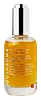
This brightening serum is formulated around Avena Sativa Kernel Extract and Glycyrrhiza Glabra Root Extract to brighten dull-looking skin and hydrate skin.
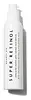
This anti-aging serum is formulated around Retinol and Ceramide NP to soften the look of wrinkles and strengthen the skin barrier.

What's inside
What's inside
 Key Ingredients
Benefits
Concerns
Ingredients Side-by-side
Water
Skin ConditioningButylene Glycol
Humectant

Glycerin
Humectant
1,2-Hexanediol
Skin Conditioning
Caprylic/Capric/Succinic Triglyceride
EmollientHamamelis Virginiana Water
Astringent



Althaea Officinalis Root Extract
Skin Conditioning
Avena Sativa Kernel Extract
Abrasive



Propanediol
Solvent
Pentylene Glycol
Skin Conditioning
Carbomer
Emulsion StabilisingHydrolyzed Rice Protein
Skin ConditioningCaprylyl Glycol
Emollient
Salix Alba Bark Extract
Astringent

Equisetum Arvense Extract
AstringentGlycyrrhiza Glabra Root Extract
Bleaching
Harpagophytum Procumbens Root Extract
Skin ConditioningCaprylic/Capric Triglyceride
Masking
Polyglutamic Acid
Skin Conditioning
Sodium Hydroxide
BufferingSodium Benzoate
Masking
Citric Acid
Buffering
Potassium Sorbate
Preservative
Phenethyl Alcohol
MaskingXanthan Gum
EmulsifyingGlyceryl Caprylate
EmollientBacillus Ferment
Skin Conditioning
Sodium Carrageenan
Emulsion StabilisingAlchemilla Vulgaris Extract
AstringentUndaria Pinnatifida Extract
Skin ConditioningPseudoalteromonas Ferment Extract
Humectant
Acetyl Hexapeptide-1
Skin Conditioning
Maris Sal
Skin ConditioningWater, Butylene Glycol, Glycerin, 1,2-Hexanediol, Caprylic/Capric/Succinic Triglyceride, Hamamelis Virginiana Water, Althaea Officinalis Root Extract, Avena Sativa Kernel Extract, Propanediol, Pentylene Glycol, Carbomer, Hydrolyzed Rice Protein, Caprylyl Glycol, Salix Alba Bark Extract, Equisetum Arvense Extract, Glycyrrhiza Glabra Root Extract, Harpagophytum Procumbens Root Extract, Caprylic/Capric Triglyceride, Polyglutamic Acid, Sodium Hydroxide, Sodium Benzoate, Citric Acid, Potassium Sorbate, Phenethyl Alcohol, Xanthan Gum, Glyceryl Caprylate, Bacillus Ferment, Sodium Carrageenan, Alchemilla Vulgaris Extract, Undaria Pinnatifida Extract, Pseudoalteromonas Ferment Extract, Acetyl Hexapeptide-1, Maris Sal
Water
Skin ConditioningDimethicone
Emollient
Glycerin
Humectant
Butylene Glycol
Humectant
Dipentaerythrityl Hexacaprylate/Hexacaprate
EmulsifyingDimethicone/Vinyl Dimethicone Crosspolymer
Skin Conditioning
Hydroxyethyl Acrylate/Sodium Acryloyldimethyl Taurate Copolymer
Emulsion StabilisingGlycine Soja Oil
Emollient


Lauroyl Lysine
Skin Conditioning
PEG-8
HumectantPhenoxyethanol
Preservative
Squalane
Emollient
Glycine Soja Seed Extract
Skin Conditioning
Polysorbate 60
Emulsifying
Acrylates/C10-30 Alkyl Acrylate Crosspolymer
Emulsion StabilisingCaprylyl Glycol
Emollient
Polyurethane Crosspolymer-1
Chlorphenesin
Antimicrobial
Polysorbate 20
Emulsifying
Sodium Hydroxide
BufferingDisodium EDTA
Lactic Acid
Buffering

Retinol
Skin Conditioning

Olive Glycerides
Emulsifying
Sorbitan Isostearate
Emulsifying
Ceramide NP
Skin Conditioning
Sodium Hyaluronate
Humectant
Phenethyl Alcohol
MaskingGlyceryl Caprylate
EmollientPhenylpropanol
Masking

Opuntia Ficus-Indica Stem Extract
Skin Conditioning
Opuntia Ficus-Indica Callus Culture Extract
Antioxidant
Water, Dimethicone, Glycerin, Butylene Glycol, Dipentaerythrityl Hexacaprylate/Hexacaprate, Dimethicone/Vinyl Dimethicone Crosspolymer, Hydroxyethyl Acrylate/Sodium Acryloyldimethyl Taurate Copolymer, Glycine Soja Oil, Lauroyl Lysine, PEG-8, Phenoxyethanol, Squalane, Glycine Soja Seed Extract, Polysorbate 60, Acrylates/C10-30 Alkyl Acrylate Crosspolymer, Caprylyl Glycol, Polyurethane Crosspolymer-1, Chlorphenesin, Polysorbate 20, Sodium Hydroxide, Disodium EDTA, Lactic Acid, Retinol, Olive Glycerides, Sorbitan Isostearate, Ceramide NP, Sodium Hyaluronate, Phenethyl Alcohol, Glyceryl Caprylate, Phenylpropanol, Opuntia Ficus-Indica Stem Extract, Opuntia Ficus-Indica Callus Culture Extract
Ingredients Explained
These ingredients are found in both products.
Ingredients higher up in an ingredient list are typically present in a larger amount.
Butylene Glycol (or BG) is used within cosmetic products for a few different reasons:
Overall, Butylene Glycol is a safe and well-rounded ingredient that works well with other ingredients.
Though this ingredient works well with most skin types, some people with sensitive skin may experience a reaction such as allergic rashes, closed comedones, or itchiness.
Learn more about Butylene GlycolCaprylyl Glycol is a humectant, skin conditioner, emollient, and preservative booster derived from either caprylic acid or synthetically created.
Typical use levels vary from 0.3-1% as a preservative booster and go up to 2% to condition skin.
Because it is not a free-fatty acid, this ingredient is fungal acne safe (there's nothing for Malassezia to feed on).
Learn more about Caprylyl GlycolGlycerin (or glycerol) is a compound naturally found in your skin. It's a powerhouse humectant that pulls water into the stratum corneum.
Topically, glycerin does several things at once:
Your skin makes glycerin on its own (mostly from sebaceous oil breakdown) and shuttles it to your outermost layer of skin, or your epidermis, via aquaporin-3.
Aquaporin-3 is a transporter that is essential for normal skin hydration, elasticity, and repair. Interestingly, mice lacking in AQP3 have dry and less elastic skin that can be fully corrected with glycerin.
This ingredient is non-irritating, plays well with almost every ingredient, and works across all skin types. Typical use is anywhere between 3-10% but can go up to 79% in some leave-on products.
Just know very high concentrations (>40%) can feel tacky in low humidity.
Glycerin is the name for this ingredient in American English. British English uses Glycerol/Glycerine.
Learn more about GlycerinGlyceryl Caprylate comes from glycerin and caprylic acid. It is an emollient, co-emulsifier, and preservative booster.
Its short C8 fatty acid chain makes it behave differently from its longer-chain emollient cousins like Glyceryl Stearate. It feels more lightweight, fast-absorbing, and silky instead of rich and waxy.
As a co-emulsifier, its "head" and "tail" sit at the oil-water interface. But overall, the short C8 tail and not being water soluble means it doesn't really have the muscle to emulsify a formula on its own. That's why you'll often see it paired with a primary emulsifier like Cetearyl Glucoside.
Interestingly, Glyceryl Caprylate acts as a preservative booster. This is because its fatty-acid backbone disrupts microbial lipid membranes. It shows excellent activity against bacteria and yeast but is weaker against mold.
Typical concentrations range from 0.5-1% and this ingredient is generally non-irritating.
Because this ingredient has a C8 fatty acid chain, it is outside the range that the Malassezia yeast metabolizes (making it fungal acne safe).
Learn more about Glyceryl CaprylatePhenethyl Alcohol is a colorless and aromatic alohol. It is naturally occuring in essential oils.
The scent of this ingredient is floral and often compared to rose.
Like other alcohols, this ingredient helps prevent the growth of bacteria. However, its main purpose is to impact a fragrance.
Learn more about Phenethyl AlcoholSodium Hydroxide is also known as lye or caustic soda. It is used to adjust the pH of products; many ingredients require a specific pH to be effective.
In small amounts, sodium hydroxide is considered safe to use. However, large amounts may cause chemical burns due to its high alkaline.
Your skin has a natural pH and acid mantle. This acid mantle helps prevent harmful bacteria from breaking through. The acid mantle also helps keep your skin hydrated.
"Alkaline" refers to a high pH level. A low pH level would be considered acidic.
Learn more about Sodium HydroxideWater. It's the most common cosmetic ingredient of all. You'll usually see it at the top of ingredient lists, meaning that it makes up the largest part of the product.
So why is it so popular? Water most often acts as a solvent - this means that it helps dissolve other ingredients into the formulation.
You'll also recognize water as that liquid we all need to stay alive. If you see this, drink a glass of water. Remember to stay hydrated!
Learn more about Water


