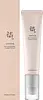
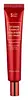
Beauty of Joseon Revive Eye Serum : Ginseng + Retinal Versus Sweeteen Vitamin Carrot Collagen Eye Cream
This anti-aging eye moisturizer is formulated around Panax Ginseng Root Extract and Niacinamide to soften the look of wrinkles and refine skin texture.
This anti-aging eye moisturizer is formulated around Adenosine and Ascorbic Acid to soften the look of wrinkles.

What's inside
What's inside
 Key Ingredients
Benefits
Concerns
Ingredients Side-by-side
Water
Skin ConditioningPanax Ginseng Root Extract
Emollient



Glycerin
Humectant
Dipropylene Glycol
HumectantCaprylic/Capric Triglyceride
Masking
1,2-Hexanediol
Skin Conditioning
Pentaerythrityl Tetraethylhexanoate
Emollient
Niacinamide
Smoothing







Butylene Glycol Dicaprylate/Dicaprate
EmollientCetearyl Alcohol
Emollient





Sorbitan Olivate
Emulsifying
Cetearyl Olivate
Butylene Glycol
Humectant
Hydrogenated Lecithin
Emulsifying
Tromethamine
BufferingCarbomer
Emulsion StabilisingGlyceryl Stearate
Emollient
Macadamia Ternifolia Seed Oil
Emollient
Adenosine
Skin Conditioning
Theobroma Cacao Extract
Skin ConditioningDextrin
AbsorbentCholesterol
Emollient
Polyglyceryl-10 Oleate
Skin Conditioning
Retinal
Skin Conditioning

Brassica Campestris Sterols
EmollientPhytosteryl/Behenyl/Octyldodecyl Lauroyl Glutamate
Skin ConditioningSilica
Abrasive
Sodium Hyaluronate
Humectant
Tocopherol
Antioxidant

Aluminum/Magnesium Hydroxide Stearate
Emulsion StabilisingPotassium Cetyl Phosphate
EmulsifyingPentaerythrityl Tetra-Di-T-Butyl Hydroxyhydrocinnamate
Antioxidant
Ceramide NP
Skin Conditioning
Palmitoyl Tripeptide-5
Skin Conditioning
Disodium EDTA
ChelatingEthylhexylglycerin
Skin ConditioningWater, Panax Ginseng Root Extract, Glycerin, Dipropylene Glycol, Caprylic/Capric Triglyceride, 1,2-Hexanediol, Pentaerythrityl Tetraethylhexanoate, Niacinamide, Butylene Glycol Dicaprylate/Dicaprate, Cetearyl Alcohol, Sorbitan Olivate, Cetearyl Olivate, Butylene Glycol, Hydrogenated Lecithin, Tromethamine, Carbomer, Glyceryl Stearate, Macadamia Ternifolia Seed Oil, Adenosine, Theobroma Cacao Extract, Dextrin, Cholesterol, Polyglyceryl-10 Oleate, Retinal, Brassica Campestris Sterols, Phytosteryl/Behenyl/Octyldodecyl Lauroyl Glutamate, Silica, Sodium Hyaluronate, Tocopherol, Aluminum/Magnesium Hydroxide Stearate, Potassium Cetyl Phosphate, Pentaerythrityl Tetra-Di-T-Butyl Hydroxyhydrocinnamate, Ceramide NP, Palmitoyl Tripeptide-5, Disodium EDTA, Ethylhexylglycerin
Water
Skin ConditioningCyclopentasiloxane
Emollient
Isopropyl Palmitate
Emollient
Cetearyl Alcohol
Emollient
Stearic Acid
Cleansing
Propanediol
Solvent
Ammonium Acryloyldimethyltaurate/Vp Copolymer
Glyceryl Stearate
Emollient
Polysorbate 60
Emulsifying
PEG-100 Stearate
Surfactant
Glyceryl Caprylate
EmollientTromethamine
BufferingEthylhexylglycerin
Skin ConditioningAcrylates/C10-30 Alkyl Acrylate Crosspolymer
Emulsion StabilisingParfum
Masking

Adenosine
Skin Conditioning
Butylene Glycol
Humectant
Hydrolyzed Extensin
Skin ConditioningAscorbic Acid
Antioxidant
1,2-Hexanediol
Skin Conditioning
Hippophae Rhamnoides Fruit Extract
Skin Conditioning
Prunus Cerasus Extract
Antioxidant
Water, Cyclopentasiloxane, Isopropyl Palmitate, Cetearyl Alcohol, Stearic Acid, Propanediol, Ammonium Acryloyldimethyltaurate/Vp Copolymer, Glyceryl Stearate, Polysorbate 60, PEG-100 Stearate, Glyceryl Caprylate, Tromethamine, Ethylhexylglycerin, Acrylates/C10-30 Alkyl Acrylate Crosspolymer, Parfum, Adenosine, Butylene Glycol, Hydrolyzed Extensin, Ascorbic Acid, 1,2-Hexanediol, Hippophae Rhamnoides Fruit Extract, Prunus Cerasus Extract
Reviews
Ingredients Explained
These ingredients are found in both products.
Ingredients higher up in an ingredient list are typically present in a larger amount.
1,2-Hexanediol is a synthetic liquid and another multi-functional powerhouse.
It is a:
- Humectant, drawing moisture into the skin
- Emollient, helping to soften skin
- Solvent, dispersing and stabilizing formulas
- Preservative booster, enhancing the antimicrobial activity of other preservatives
Adenosine is a purine nucleoside that your body already makes in every cell. In skincare, it acts mainly as a skin conditioning and anti-aging agent.
The way it works is fairly well mapped out:
Your skin has cells called fibroblasts that build collagen (the stuff that keeps skin firm and smooth). Adenosine basically flips a switch on these cells that tells them to get to work making more collagen and other proteins. These cells slow down on their own as skin ages, so Adenosine helps give them a little nudge to keep going.
The clinical backing is pretty solid too.
A blind, randomized, placebo-controlled trial of 126 women aged 45-65 tested a 0.1% cream twice daily and found real improvements in crow's feet and frown lines using a precise 3D skin-mapping technique; these changes showed up by week 3 and held at 2 months.
A later study using Adenosine-loaded dissolving microneedle patches reported gains in wrinkle depth, dermal density, elasticity, and hydration.
On concentrations, South Korea's Ministry of Food and Drug Safety has set 0.04% as the approved functional anti-wrinkle level. You'll typically see this ingredient used somewhere in the 0.04-0.1% range since it works at low doses.
This ingredient has been found safe for cosmetics with the data showing no irritation or sensitization.
Overall, this is a great ingredient for any anti-aging routine and has no photosensitizing effect, so it suits both AM and PM use.
Learn more about AdenosineButylene Glycol (or BG) is used within cosmetic products for a few different reasons:
Overall, Butylene Glycol is a safe and well-rounded ingredient that works well with other ingredients.
Though this ingredient works well with most skin types, some people with sensitive skin may experience a reaction such as allergic rashes, closed comedones, or itchiness.
Learn more about Butylene GlycolCetearyl alcohol is a waxy mixture of two fatty alcohols: cetyl alcohol and stearyl alcohol. It is an emollient and emulsifier.
Despite having "alcohol" in its name, it has nothing to do with drying solvent alcohols; the FDA also allows "alcohol-free" products to contain fatty alcohols like this ingredient.
It plays several roles in a formula:
Typical use levels for this ingredient sit around 1-10% and the Cosmetic Ingredient Review Expert Panel has affirmed safety at concentrations up to 25% in leave-on products.
Multiple assessments have found it to be non-irritating and non-sensitizing to most people.
However, there have been some cases of allergic contact dermatitis in patients with chronically compromised skin barriers.
Cetearyl alcohol has a comedogenic rating of 2 and irritancy rating of 1. Both of these numbers come from the 1989 study that used rabbit ears; a "2" means mildly comedogenic and a "1" means low irritancy.
Here's the catch: rabbit skin is more sensitive than human skin and throws a lot of false positives. A 1996 reappraisal found that ingredients rated 1-2 in the rabbit ear tests are generally safe for humans.
Remember comedogenic ratings are unable to assess the entire formula of a product or how it will react on your skin. Just be sure to patch test if you are unsure about certain ingredients.
This ingredient is not fungal acne safe. Cetearyl alcohol is a fatty alcohol with chain lengths that fall within the range that Malassezia can metabolize.
A 2019 study has also observed Malassezia growth in the presence of this ingredient, confirming it to be not-fungal acne safe.
Learn more about Cetearyl AlcoholEthylhexylglycerin is created from glycerin. It is a multitasker ingredient that:
The CIR Expert Panel found minimal skin absorption or sensitization of any kind in a safety assessment. Though this ingredient is considered well-tolerated, a small number of cases of allergic dermatitis have been published since 2002. Just be sure to patch test if you are unsure.
Industry-reported use ranges from 8% in rinse-off products and 2% in leave-on formulations.
Learn more about EthylhexylglycerinGlyceryl Stearate is made by reacting glycerin with stearic acid (typically sourced from plant oils like palm or coconut). It's an emulsifier, emollient, and mild occlusive.
Emulsifiers help ingredients like oil and water stay mixed so your formula stays nicely blended and uniform in texture.
This ingredient is typically used in concentrations between 1-10%. Studies have found it to be non-sensitizing, non-phototoxic, and non-photoallergenic.
A close cousin of this ingredient is Glyceryl Stearate SE ("self-emulsifying"). This just has a small amount of sodium or potassium stearate added so it can emulsify without a co-emulsifier.
Since this ingredient is an ester of a C18 fatty acid, it may not be fungal acne safe. The Malassezia yeast can potentially metabolize within the C11-C24 range.
Fun fact: The human body also creates Glyceryl Stearate naturally.
Learn more about Glyceryl StearateTromethamine (aka THAM) is a synthetic amino acid that shows up in skincare as a helper ingredient.
It functions as a pH adjuster to help neutralize acidic ingredients and set a formula's pH to the right spot.
This matters a lot because a lot of actives (like vitamin C) needs a specific pH to work well and feel comfortable on skin.
Concentration use ranges from 0.1-1.0% depending on the formula.
Learn more about TromethamineWater. It's the most common cosmetic ingredient of all. You'll usually see it at the top of ingredient lists, meaning that it makes up the largest part of the product.
So why is it so popular? Water most often acts as a solvent - this means that it helps dissolve other ingredients into the formulation.
You'll also recognize water as that liquid we all need to stay alive. If you see this, drink a glass of water. Remember to stay hydrated!
Learn more about Water

