bareMinerals Poreless Oil-Free Moisturizer Versus La Roche-Posay Toleriane Dermallergo Ultra Soothing Repair Moisturizer
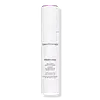
This pore-care moisturizer is formulated around Gluconolactone to refine the look of pores and balance excess oil.
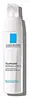
This barrier-repair moisturizer is formulated around Squalane and Butyrospermum Parkii Butter to strengthen the skin barrier and calm redness.


What's inside
What's inside
 Key Ingredients
Benefits
Concerns
Ingredients Side-by-side
Water
Skin ConditioningButylene Glycol
Humectant

Dipropylene Glycol
HumectantGlycerin
Humectant
Hydrogenated Polydecene
EmollientTriethylhexanoin
MaskingHdi/Trimethylol Hexyllactone Crosspolymer
Dimethicone
Emollient
Dipeptide-15
Skin Conditioning
Glyceryl Stearate Se
Emulsifying




Trehalose
Humectant
Tocopherol
Antioxidant




Saccharum Officinarum Extract
MoisturisingCitrus Aurantium Dulcis Fruit Extract
MaskingCitrus Limon Fruit Extract
Masking
Sodium Hyaluronate
Humectant
Morinda Citrifolia Leaf Extract
Skin ConditioningLeuconostoc/Radish Root Ferment Filtrate
Antimicrobial
Acer Saccharum Extract
Skin ConditioningVaccinium Myrtillus Fruit Extract
Skin ConditioningSalvia Hispanica Seed Extract
Emollient
Gluconolactone
Chelating




Chondrus Crispus Extract
Skin Conditioning
Aminopropyl Dimethicone
Betaine
Humectant
Sodium Metabisulfite
Antioxidant
Isostearic Acid
Cleansing
Coconut Acid
Cleansing
PEG-5 Glyceryl Stearate
Emulsifying
Behenyl Alcohol
Emollient
Stearic Acid
Cleansing
Carbomer
Emulsion StabilisingXanthan Gum
EmulsifyingPotassium Hydroxide
BufferingBehenic Acid
Cleansing
Silica
Abrasive
Disodium EDTA
ChelatingSodium Benzoate
Masking
Phenoxyethanol
Preservative
Water, Butylene Glycol, Dipropylene Glycol, Glycerin, Hydrogenated Polydecene, Triethylhexanoin, Hdi/Trimethylol Hexyllactone Crosspolymer, Dimethicone, Dipeptide-15, Glyceryl Stearate Se, Trehalose, Tocopherol, Saccharum Officinarum Extract, Citrus Aurantium Dulcis Fruit Extract, Citrus Limon Fruit Extract, Sodium Hyaluronate, Morinda Citrifolia Leaf Extract, Leuconostoc/Radish Root Ferment Filtrate, Acer Saccharum Extract, Vaccinium Myrtillus Fruit Extract, Salvia Hispanica Seed Extract, Gluconolactone, Chondrus Crispus Extract, Aminopropyl Dimethicone, Betaine, Sodium Metabisulfite, Isostearic Acid, Coconut Acid, PEG-5 Glyceryl Stearate, Behenyl Alcohol, Stearic Acid, Carbomer, Xanthan Gum, Potassium Hydroxide, Behenic Acid, Silica, Disodium EDTA, Sodium Benzoate, Phenoxyethanol
Water
Skin ConditioningIsocetyl Stearate
Emollient
Squalane
Emollient
Butyrospermum Parkii Butter
Skin Conditioning
Dimethicone
Emollient
Glycerin
Humectant
Zea Mays Starch
Absorbent
Pentylene Glycol
Skin Conditioning
Butylene Glycol
Humectant
Glyceryl Stearate
Emollient
PEG-100 Stearate
Surfactant
Cetyl Alcohol
Emollient
Salvia Miltiorrhiza Root Extract
Skin ConditioningDimethiconol
Emollient
Sodium Hydroxide
BufferingSphingomonas Ferment Extract
Skin Conditioning
Caprylyl Glycol
Emollient
Citric Acid
Buffering
Acetyl Dipeptide-1 Cetyl Ester
Skin Conditioning
Acrylates/C10-30 Alkyl Acrylate Crosspolymer
Emulsion StabilisingWater, Isocetyl Stearate, Squalane, Butyrospermum Parkii Butter, Dimethicone, Glycerin, Zea Mays Starch, Pentylene Glycol, Butylene Glycol, Glyceryl Stearate, PEG-100 Stearate, Cetyl Alcohol, Salvia Miltiorrhiza Root Extract, Dimethiconol, Sodium Hydroxide, Sphingomonas Ferment Extract, Caprylyl Glycol, Citric Acid, Acetyl Dipeptide-1 Cetyl Ester, Acrylates/C10-30 Alkyl Acrylate Crosspolymer
Reviews
Ingredients Explained
These ingredients are found in both products.
Ingredients higher up in an ingredient list are typically present in a larger amount.
Butylene Glycol (or BG) is used within cosmetic products for a few different reasons:
Overall, Butylene Glycol is a safe and well-rounded ingredient that works well with other ingredients.
Though this ingredient works well with most skin types, some people with sensitive skin may experience a reaction such as allergic rashes, closed comedones, or itchiness.
Learn more about Butylene GlycolDimethicone is a type of synthetic silicone created from natural materials such as quartz. It is also known as polydimethylsiloxane.
What it does:
Dimethicone comes in different viscosities:
Depending on the viscosity, dimethicone has different properties.
Ingredients lists don't always show which type is used, so we recommend reaching out to the brand if you have questions about the viscosity.
This ingredient is unlikely to cause irritation because it does not get absorbed into skin. However, people with silicone allergies should be careful about using this ingredient.
Note: Dimethicone may contribute to pilling. This is because it is not oil or water soluble, so pilling may occur when layered with products. When mixed with heavy oils in a formula, the outcome is also quite greasy.
Learn more about DimethiconeGlycerin (or glycerol) is a compound naturally found in your skin. It's a powerhouse humectant that pulls water into the stratum corneum.
Topically, glycerin does several things at once:
Your skin makes glycerin on its own (mostly from sebaceous oil breakdown) and shuttles it to your outermost layer of skin, or your epidermis, via aquaporin-3.
Aquaporin-3 is a transporter that is essential for normal skin hydration, elasticity, and repair. Interestingly, mice lacking in AQP3 have dry and less elastic skin that can be fully corrected with glycerin.
This ingredient is non-irritating, plays well with almost every ingredient, and works across all skin types. Typical use is anywhere between 3-10% but can go up to 79% in some leave-on products.
Just know very high concentrations (>40%) can feel tacky in low humidity.
Glycerin is the name for this ingredient in American English. British English uses Glycerol/Glycerine.
Learn more about GlycerinWater. It's the most common cosmetic ingredient of all. You'll usually see it at the top of ingredient lists, meaning that it makes up the largest part of the product.
So why is it so popular? Water most often acts as a solvent - this means that it helps dissolve other ingredients into the formulation.
You'll also recognize water as that liquid we all need to stay alive. If you see this, drink a glass of water. Remember to stay hydrated!
Learn more about Water

