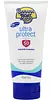
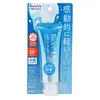
Banana Boat Ultra Protect Faces Sunscreen Lotion SPF 50 Versus Biore UV Aqua Rich Watery Essence SPF 50+ PA++++


What's inside
What's inside
 Key Ingredients
Benefits
Concerns
Ingredients Side-by-side
Diisopropyl Adipate
EmollientButyl Methoxydibenzoylmethane
UV Absorber


Cetearyl Alcohol
Emollient



Glycerin
Humectant



Phenoxyethanol
Preservative
Benzyl Alcohol
Perfuming




Acrylates/C12-22 Alkyl Methacrylate Copolymer
Acrylates/C10-30 Alkyl Acrylate Crosspolymer
Emulsion StabilisingDicetyl Phosphate
EmulsifyingCeteth-10 Phosphate
CleansingCoco-Glucoside
CleansingChlorphenesin
Antimicrobial
Dimethicone
Emollient
Xanthan Gum
EmulsifyingSodium Hydroxide
BufferingTocopheryl Acetate
Antioxidant

Mangifera Indica Seed Butter
Skin Conditioning
Carica Papaya Fruit Extract
Skin ConditioningMangifera Indica Fruit Extract
Skin ConditioningPassiflora Incarnata Fruit Extract
Skin ConditioningPanthenol
Skin Conditioning

Aloe Barbadensis Leaf Juice
Skin Conditioning
Sodium Ascorbyl Phosphate
Antioxidant


Diisopropyl Adipate, Butyl Methoxydibenzoylmethane, Cetearyl Alcohol, Glycerin, Phenoxyethanol, Benzyl Alcohol, Acrylates/C12-22 Alkyl Methacrylate Copolymer, Acrylates/C10-30 Alkyl Acrylate Crosspolymer, Dicetyl Phosphate, Ceteth-10 Phosphate, Coco-Glucoside, Chlorphenesin, Dimethicone, Xanthan Gum, Sodium Hydroxide, Tocopheryl Acetate, Mangifera Indica Seed Butter, Carica Papaya Fruit Extract, Mangifera Indica Fruit Extract, Passiflora Incarnata Fruit Extract, Panthenol, Aloe Barbadensis Leaf Juice, Sodium Ascorbyl Phosphate
Water
Skin ConditioningAlcohol Denat.
Antimicrobial
Ethylhexyl Methoxycinnamate
UV Absorber
Ethylhexyl Triazone
UV Absorber
Isopropyl Palmitate
Emollient
Lauryl Methacrylate/Sodium Methacrylate Crosspolymer
Diethylamino Hydroxybenzoyl Hexyl Benzoate
UV Filter
Hydrogenated Polyisobutene
EmollientBis-Ethylhexyloxyphenol Methoxyphenyl Triazine
Skin Conditioning
Palmitic Acid
Emollient
Dextrin
AbsorbentButylene Glycol
Humectant
Xylitol
Humectant
Acrylates/C10-30 Alkyl Acrylate Crosspolymer
Emulsion StabilisingDimethicone
Emollient
C12-15 Alkyl Benzoate
AntimicrobialGlycerin
Humectant
Glyceryl Stearate
Emollient
Propanediol
Solvent
Glyceryl Behenate
Emollient
Vinyl Dimethicone/Methicone Silsesquioxane Crosspolymer
Cetearyl Alcohol
Emollient
Agar
MaskingSorbitan Distearate
EmollientIsoceteth-20
Emulsifying
Polyvinyl Alcohol
Polyvinylalcohol Crosspolymer
Stearoyl Glutamic Acid
CleansingArginine
Masking
Potassium Hydroxide
BufferingSodium Hydroxide
BufferingRoyal Jelly Extract
Skin Conditioning

Sodium Hyaluronate
Humectant
Phenoxyethanol
Preservative
Disodium EDTA
BHT
Antioxidant
Parfum
Masking
Water, Alcohol Denat., Ethylhexyl Methoxycinnamate, Ethylhexyl Triazone, Isopropyl Palmitate, Lauryl Methacrylate/Sodium Methacrylate Crosspolymer, Diethylamino Hydroxybenzoyl Hexyl Benzoate, Hydrogenated Polyisobutene, Bis-Ethylhexyloxyphenol Methoxyphenyl Triazine, Palmitic Acid, Dextrin, Butylene Glycol, Xylitol, Acrylates/C10-30 Alkyl Acrylate Crosspolymer, Dimethicone, C12-15 Alkyl Benzoate, Glycerin, Glyceryl Stearate, Propanediol, Glyceryl Behenate, Vinyl Dimethicone/Methicone Silsesquioxane Crosspolymer, Cetearyl Alcohol, Agar, Sorbitan Distearate, Isoceteth-20, Polyvinyl Alcohol, Polyvinylalcohol Crosspolymer, Stearoyl Glutamic Acid, Arginine, Potassium Hydroxide, Sodium Hydroxide, Royal Jelly Extract, Sodium Hyaluronate, Phenoxyethanol, Disodium EDTA, BHT, Parfum
Reviews
Ingredients Explained
These ingredients are found in both products.
Ingredients higher up in an ingredient list are typically present in a larger amount.
Acrylates/C10-30 Alkyl Acrylate Crosspolymer is a synthetic polymer. It is used to thicken and improve the texture of products. Due to its properties, it can prevent water and oil ingredients from separating.
Cetearyl alcohol is a mixture of two fatty alcohols: cetyl alcohol and stearyl alcohol. It is mainly used as an emulsifier. Emulsifiers help prevent the separation of oils and products. Due to its composition, it can also be used to thicken a product or help create foam.
Cetearyl alcohol is an emollient. Emollients help soothe and hydrate the skin by trapping moisture.
Studies show Cetearyl alcohol is non-toxic and non-irritating. The FDA allows products labeled "alcohol-free" to have fatty alcohols.
This ingredient is usually derived from plant oils such as palm, vegetable, or coconut oils. There is debate on whether this ingredient will cause acne.
Due to the fatty acid base, this ingredient may not be Malassezia folliculitis safe.
Learn more about Cetearyl AlcoholDimethicone is a type of synthetic silicone created from natural materials such as quartz.
What it does:
Dimethicone comes in different viscosities:
Depending on the viscosity, dimethicone has different properties.
Ingredients lists don't always show which type is used, so we recommend reaching out to the brand if you have questions about the viscosity.
This ingredient is unlikely to cause irritation because it does not get absorbed into skin. However, people with silicone allergies should be careful about using this ingredient.
Note: Dimethicone may contribute to pilling. This is because it is not oil or water soluble, so pilling may occur when layered with products. When mixed with heavy oils in a formula, the outcome is also quite greasy.
Learn more about DimethiconeGlycerin is already naturally found in your skin. It helps moisturize and protect your skin.
A study from 2016 found glycerin to be more effective as a humectant than AHAs and hyaluronic acid.
As a humectant, it helps the skin stay hydrated by pulling moisture to your skin. The low molecular weight of glycerin allows it to pull moisture into the deeper layers of your skin.
Hydrated skin improves your skin barrier; Your skin barrier helps protect against irritants and bacteria.
Glycerin has also been found to have antimicrobial and antiviral properties. Due to these properties, glycerin is often used in wound and burn treatments.
In cosmetics, glycerin is usually derived from plants such as soybean or palm. However, it can also be sourced from animals, such as tallow or animal fat.
This ingredient is organic, colorless, odorless, and non-toxic.
Glycerin is the name for this ingredient in American English. British English uses Glycerol/Glycerine.
Learn more about GlycerinPhenoxyethanol is a preservative that has germicide, antimicrobial, and aromatic properties. Studies show that phenoxyethanol can prevent microbial growth. By itself, it has a scent that is similar to that of a rose.
It's often used in formulations along with Caprylyl Glycol to preserve the shelf life of products.
Sodium Hydroxide is also known as lye or caustic soda. It is used to adjust the pH of products; many ingredients require a specific pH to be effective.
In small amounts, sodium hydroxide is considered safe to use. However, large amounts may cause chemical burns due to its high alkaline.
Your skin has a natural pH and acid mantle. This acid mantle helps prevent harmful bacteria from breaking through. The acid mantle also helps keep your skin hydrated.
"Alkaline" refers to a high pH level. A low pH level would be considered acidic.
Learn more about Sodium Hydroxide
