

What's inside
What's inside
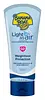 Key Ingredients
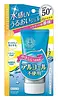
Benefits
Concerns
Ingredients Side-by-side
Butyl Methoxydibenzoylmethane 3%
UV Absorber
Homosalate 9%
Skin Conditioning
Ethylhexyl Salicylate 4%
UV Absorber
Octocrylene 5%
UV Absorber

Water
Skin ConditioningDiisopropyl Adipate
EmollientSilica
Abrasive


Cetearyl Alcohol
Emollient




Glycerin
Humectant


Phenoxyethanol
Preservative
Tapioca Starch
Acrylates/C12-22 Alkyl Methacrylate Copolymer
Caprylyl Glycol
Emollient
Acrylates/C10-30 Alkyl Acrylate Crosspolymer
Emulsion StabilisingEthylhexylglycerin
Skin ConditioningCeteth-10 Phosphate
CleansingDicetyl Phosphate
EmulsifyingCoco-Glucoside
Cleansing
Chlorphenesin
Antimicrobial
Xanthan Gum
EmulsifyingSodium Hydroxide
BufferingDisodium EDTA
Parfum
Masking


Polymethylsilsesquioxane

Tocopheryl Acetate
Antioxidant


Sodium Ascorbyl Phosphate
Antioxidant


Panthenol
Skin Conditioning
Aloe Barbadensis Leaf Juice
Skin Conditioning
Butyl Methoxydibenzoylmethane 3%, Homosalate 9%, Ethylhexyl Salicylate 4%, Octocrylene 5%, Water, Diisopropyl Adipate, Silica, Cetearyl Alcohol, Glycerin, Phenoxyethanol, Tapioca Starch, Acrylates/C12-22 Alkyl Methacrylate Copolymer, Caprylyl Glycol, Acrylates/C10-30 Alkyl Acrylate Crosspolymer, Ethylhexylglycerin, Ceteth-10 Phosphate, Dicetyl Phosphate, Coco-Glucoside, Chlorphenesin, Xanthan Gum, Sodium Hydroxide, Disodium EDTA, Parfum, Polymethylsilsesquioxane, Tocopheryl Acetate, Sodium Ascorbyl Phosphate, Panthenol, Aloe Barbadensis Leaf Juice
Water
Skin ConditioningMethoxycinnamic Acid
StabilisingDiethylamino Hydroxybenzoyl Hexyl Benzoate
UV Filter
Pentylene Glycol
Skin Conditioning
Sodium Acetylated Hyaluronate
Humectant

Sodium Hyaluronate
Humectant
Hydrolyzed Hyaluronic Acid
Humectant
Aorta Extract
Skin ConditioningAloe Barbadensis Leaf Extract
Emollient
Royal Jelly Extract
Skin Conditioning
Isononyl Isononanoate
EmollientBis-Ethylhexyloxyphenol Methoxyphenyl Triazine
Skin Conditioning
Acrylamide/Sodium Acryloyldimethyltaurate/Acrylic Acid Copolymer
Titanium Dioxide
Cosmetic Colorant
Isohexadecane
EmollientSuccinic Acid
BufferingButylene Glycol
Humectant
Ethylhexylglycerin
Skin ConditioningPolysorbate 80
Emulsifying
Lysine Lauroyl Glutamate
CleansingAluminum Hydroxide
EmollientStearic Acid
Cleansing
Xanthan Gum
EmulsifyingSorbitan Oleate
Emulsifying
Phenoxyethanol
Preservative
Parfum
Masking
Ammonium Acryloyldimethyltaurate/Vp Copolymer
BHT
Antioxidant
T-Butyl Alcohol
Perfuming

Water, Methoxycinnamic Acid, Diethylamino Hydroxybenzoyl Hexyl Benzoate, Pentylene Glycol, Sodium Acetylated Hyaluronate, Sodium Hyaluronate, Hydrolyzed Hyaluronic Acid, Aorta Extract, Aloe Barbadensis Leaf Extract, Royal Jelly Extract, Isononyl Isononanoate, Bis-Ethylhexyloxyphenol Methoxyphenyl Triazine, Acrylamide/Sodium Acryloyldimethyltaurate/Acrylic Acid Copolymer, Titanium Dioxide, Isohexadecane, Succinic Acid, Butylene Glycol, Ethylhexylglycerin, Polysorbate 80, Lysine Lauroyl Glutamate, Aluminum Hydroxide, Stearic Acid, Xanthan Gum, Sorbitan Oleate, Phenoxyethanol, Parfum, Ammonium Acryloyldimethyltaurate/Vp Copolymer, BHT, T-Butyl Alcohol
Reviews
Ingredients Explained
These ingredients are found in both products.
Ingredients higher up in an ingredient list are typically present in a larger amount.
Ethylhexylglycerin is created from glycerin. It is a multitasker ingredient that:
The CIR Expert Panel found minimal skin absorption or sensitization of any kind in a safety assessment. Though this ingredient is considered well-tolerated, a small number of cases of allergic dermatitis have been published since 2002. Just be sure to patch test if you are unsure.
Industry-reported use ranges from 8% in rinse-off products and 2% in leave-on formulations.
Learn more about EthylhexylglycerinParfum is a catch-all term for an ingredient or more that is used to give a scent to products.
Also called "fragrance", this ingredient can be a blend of hundreds of chemicals or plant oils. This means every product with "fragrance" or "parfum" in the ingredients list is a different mixture.
For instance, Habanolide is a proprietary trade name for a specific aroma chemical. When used as a fragrance ingredient in cosmetics, most aroma chemicals fall under the broad labeling category of “FRAGRANCE” or “PARFUM” according to EU and US regulations.
The term 'parfum' or 'fragrance' is not regulated in many countries. In many cases, it is up to the brand to define this term.
For instance, many brands choose to label themselves as "fragrance-free" because they are not using synthetic fragrances. However, their products may still contain ingredients such as essential oils that are considered a fragrance by INCI standards.
One example is Calendula flower extract. Calendula is an essential oil that still imparts a scent or 'fragrance'.
Depending on the blend, the ingredients in the mixture can cause allergies and sensitivities on the skin. Some ingredients that are known EU allergens include linalool and citronellol.
Parfum can also be used to mask or cover an unpleasant scent.
The bottom line is: not all fragrances/parfum/ingredients are created equally. If you are worried about fragrances, we recommend taking a closer look at an ingredient. And of course, we always recommend speaking with a professional.
Learn more about ParfumPhenoxyethanol is a preservative that has germicide, antimicrobial, and aromatic properties. Studies show that phenoxyethanol can prevent microbial growth. By itself, it has a scent that is similar to that of a rose.
It's often used in formulations along with Caprylyl Glycol to preserve the shelf life of products.
Water. It's the most common cosmetic ingredient of all. You'll usually see it at the top of ingredient lists, meaning that it makes up the largest part of the product.
So why is it so popular? Water most often acts as a solvent - this means that it helps dissolve other ingredients into the formulation.
You'll also recognize water as that liquid we all need to stay alive. If you see this, drink a glass of water. Remember to stay hydrated!
Learn more about WaterXanthan gum is used as a stabilizer and thickener within cosmetic products. It helps give products a sticky, thick feeling - preventing them from being too runny.
On the technical side of things, xanthan gum is a polysaccharide - a combination consisting of multiple sugar molecules bonded together.
Xanthan gum is a pretty common and great ingredient. It is a natural, non-toxic, non-irritating ingredient that is also commonly used in food products.
Learn more about Xanthan Gum
