
What's inside
What's inside
 Key Ingredients
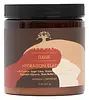
Benefits
Concerns
Ingredients Side-by-side
Aloe Barbadensis Leaf Juice
Skin Conditioning


Stearyl Alcohol
Emollient


Cetyl Alcohol
Emollient
Cetrimonium Chloride
Antimicrobial
Glycerin
Humectant

Brassica Alcohol
Emollient
Isopropyl Palmitate
Emollient


Cetyl Esters
Emollient
Brassicyl Isoleucinate Esylate
Emulsion StabilisingPanthenol
Skin Conditioning
Niacinamide
Smoothing







Biotin
AntiseborrhoeicCaffeine
Skin Conditioning
Tocopheryl Acetate
Antioxidant

Distearyldimonium Chloride
Guar Hydroxypropyltrimonium Chloride
Skin ConditioningHoney Extract
Humectant
Polyquaternium-10
Citric Acid
Buffering
Butyrospermum Parkii Butter
Skin Conditioning
Caprylic/Capric Triglyceride
Masking
Helianthus Annuus Seed Oil
Emollient
Amodimethicone

Trideceth-12
EmulsifyingSodium Phytate
Isohexadecane
EmollientCurcuma Longa Root Extract
Antioxidant
Cocos Nucifera Fruit Extract
Emollient
Pyrus Malus Fruit Extract
Skin Conditioning
Coffea Arabica Leaf/Seed Extract
MaskingButter Extract
Emollient
Cucumis Melo Cantalupensis Fruit Extract
AstringentVanilla Planifolia Fruit Extract
Skin Conditioning
Prunus Armeniaca Fruit Extract
Skin ConditioningPolysorbate 20
Emulsifying
Dehydroacetic Acid
Preservative
Benzyl Alcohol
Perfuming



Aloe Barbadensis Leaf Juice, Stearyl Alcohol, Cetyl Alcohol, Cetrimonium Chloride, Glycerin, Brassica Alcohol, Isopropyl Palmitate, Cetyl Esters, Brassicyl Isoleucinate Esylate, Panthenol, Niacinamide, Biotin, Caffeine, Tocopheryl Acetate, Distearyldimonium Chloride, Guar Hydroxypropyltrimonium Chloride, Honey Extract, Polyquaternium-10, Citric Acid, Butyrospermum Parkii Butter, Caprylic/Capric Triglyceride, Helianthus Annuus Seed Oil, Amodimethicone, Trideceth-12, Sodium Phytate, Isohexadecane, Curcuma Longa Root Extract, Cocos Nucifera Fruit Extract, Pyrus Malus Fruit Extract, Coffea Arabica Leaf/Seed Extract, Butter Extract, Cucumis Melo Cantalupensis Fruit Extract, Vanilla Planifolia Fruit Extract, Prunus Armeniaca Fruit Extract, Polysorbate 20, Dehydroacetic Acid, Benzyl Alcohol
Water
Skin ConditioningCocos Nucifera Oil
Masking
Betaine
Humectant
Cetyl Esters
Emollient
Glycerin
Humectant
Cetyl Alcohol
Emollient
Quaternium-91
Cetearyl Alcohol
Emollient
Cetrimonium Methosulfate
AntimicrobialButyrospermum Parkii Butter
Skin Conditioning
Phytosterols
Skin Conditioning
Mangifera Indica Seed Butter
Skin Conditioning
Cocos Nucifera Fruit Powder
Skin Conditioning
Citrus Reticulata Fruit Extract
Skin ProtectingCamellia Sinensis Leaf Extract
Antimicrobial
Pyrus Malus Fruit Extract
Skin Conditioning
Citrus Limon Peel Extract
EmollientSaccharum Officinarum Extract
MoisturisingParfum
Masking
Tocopheryl Acetate
Antioxidant
Caprylyl Glycol
Emollient
Phenoxyethanol
Preservative
Polyquaternium-37
Propylene Glycol Dicaprylate/Dicaprate
EmollientPPG-1 Trideceth-6
Skin ConditioningSodium Benzoate
Masking
Caprylic/Capric Triglyceride
Masking
Abies Balsamea Resin
MaskingLimonene
Perfuming
Water, Cocos Nucifera Oil, Betaine, Cetyl Esters, Glycerin, Cetyl Alcohol, Quaternium-91, Cetearyl Alcohol, Cetrimonium Methosulfate, Butyrospermum Parkii Butter, Phytosterols, Mangifera Indica Seed Butter, Cocos Nucifera Fruit Powder, Citrus Reticulata Fruit Extract, Camellia Sinensis Leaf Extract, Pyrus Malus Fruit Extract, Citrus Limon Peel Extract, Saccharum Officinarum Extract, Parfum, Tocopheryl Acetate, Caprylyl Glycol, Phenoxyethanol, Polyquaternium-37, Propylene Glycol Dicaprylate/Dicaprate, PPG-1 Trideceth-6, Sodium Benzoate, Caprylic/Capric Triglyceride, Abies Balsamea Resin, Limonene
Ingredients Explained
These ingredients are found in both products.
Ingredients higher up in an ingredient list are typically present in a larger amount.
This ingredient is also known as shea butter. It is a plant-derived extract from the nuts of the Africa shea tree and one of the most well-studied emollients.
Because it has a high concentration of fatty acids (primarily oleic, stearic, and linoleic) it is able to form a protective barrier on the skin's surface. This helps seal in moisture and prevents transepidermal water loss (TEWL).
In vitro research found an increase in skin hydration by 58% and a decrease in TEWL by 37.8% after 24 hours of applying this ingredient (pretty impressive for a single ingredient!).
Besides hydration, shea butter also contains triterpenes that have anti-inflammatory potential. In particule, lupeol cinnamate has shown the highest anti-inflammatory activity in vivo.
Shea butter also contains vitamins A and E which may contribute to antioxidant activity.
While Shea Butter has an SPF rating of about 3-4, it is not a sunscreen replacement.
This ingredient may not be fungal acne safe because its fatty acids fall within the C11-C24 range that the Malassezia yeast can metabolize.
This ingredient shows up on a lot of "pore-clogging" lists but there's no real evidence behind that. It doesn't even have a comedogenic rating from an actual study; the numbers you'll find online come from blogs citing other blogs.
Ratings for other ingredients mostly come from a 1980s rabbit ear test. This test doesn't translate well to human skin or to real products because the ingredient sits at a much lower percentage.
Some people still find it breaks them out. So if that's you, definitely trust your skin. Just know this one's based on experience and not evidence.
Learn more about Butyrospermum Parkii ButterCaprylic/Capric Triglyceride (aka MCT Oil) is a lightweight emollient, solvent, and texture enhancer. It is considered a skin-softener by helping to prevent moisture loss.
Though it behaves like an oil, it is not technically one due to its chemical composition. One perk of this ingredient is that it is very stable, resistant to oxidation, and unlikely to go rancid.
In practice, that translates to a long shelf life and a consistently elegant skin feel.
While there is an assumption Caprylic Triglyceride can clog pores due to it being derived from coconut oil, there is no research supporting this. Just patch test if you have concerns.
Fractionated coconut oil and MCT Oil are both listed as Caprylic/Capric Triglyceride according to INCI. This is because INCI names are based on the ingredient’s final chemical composition and not its marketing name or source.
This ingredient is treated as the gold standard fungal acne safe oil. Even though it is coconut derived, the problematic lauric acid is stripped out.
This leaves just caprylic (C8) and capric (C10) acid. These chain lengths actually trend antifungal; a 2020 study found caprylic acid was enough to disrupt Malassezia furfur cell membrane, with a caprylic acid derivative damaging membrane structures at concentrations as low as 0.2%.
Learn more about Caprylic/Capric TriglycerideCetyl Alcohol is a fatty alcohol. Fatty Alcohols are most often used as an emollient or to thicken a product.
Its main roles are:
Though it has "alcohol" in the name, it is not related to denatured alcohol or ethyl alcohol.
The FDA allows products labeled "alcohol-free" to have fatty alcohols.
This ingredient may not be fungal acne safe. It is a primary fatty alcohol with a chain length above 12 carbons. A study from 2019 show Malassezia can feed on fatty alcohols in this range, so it may trigger fungal acne in those prone to it.
Learn more about Cetyl AlcoholCetyl Esters is an emollient with an interesting backstory: it's a synthetic wax originally designed to be a copy of spermaceti, a waxy material that used to be harvested from whales.
This ingredient delivers the same "velvety" feel without anything animal-derived (usually made from coconut or palm-sourced fatty alcohols/acids).
Chemically, it's a blend of esters from 14-18 fatty acids and alcohols that is a solid at room temperature but melts on contact with skin. It helps soften and smooth the skin while improving the feel and spread of products.
Typical use concentrations range from 1-10% (most commonly 2-5%).
The CIR Expert Panel has concluded it's safe as used and has shown no skin irritation in available studies.
Because it's a blend of fatty acid esters in the chain-length range that Malassezia can feed on, it may not be fungal acne safe.
Learn more about Cetyl EstersGlycerin (or glycerol) is a compound naturally found in your skin. It's a powerhouse humectant that pulls water into the stratum corneum.
Topically, glycerin does several things at once:
Your skin makes glycerin on its own (mostly from sebaceous oil breakdown) and shuttles it to your outermost layer of skin, or your epidermis, via aquaporin-3.
Aquaporin-3 is a transporter that is essential for normal skin hydration, elasticity, and repair. Interestingly, mice lacking in AQP3 have dry and less elastic skin that can be fully corrected with glycerin.
This ingredient is non-irritating, plays well with almost every ingredient, and works across all skin types. Typical use is anywhere between 3-10% but can go up to 79% in some leave-on products.
Just know very high concentrations (>40%) can feel tacky in low humidity.
Glycerin is the name for this ingredient in American English. British English uses Glycerol/Glycerine.
Learn more about GlycerinPyrus Malus Fruit Extract is extract from Apples. Apples are rich in Vitamin C, sugars, and antioxidants.
The sugar in Apples are humectants and help hydrate the skin. On top of that, apples also contain some acids, such as malic acid. These acids may have a mild exfoliating effect.
Last, the phytochemicals found in apples are strong antioxidants. These antioxidants help with anti-aging as they protect your skin cells against oxidative damage.
Learn more about Pyrus Malus Fruit ExtractTocopheryl Acetate is a stable, shelf-friendly form of vitamin E.
Formulators love it because plain vitamin E oxidizes quickly once it hits air. This acetate version stays stable and resists going off, helping to extend a product's shelf life.
It's actually inactive on its own and works like a slow-release "storage" form; the enzymes in your skin called esterases gradually convert it into active vitamin E over time.
One in vivo study showed 5% of the acetate in the living layer of the epidermis converted to vitamin E after 5 days of application. This study also found the skin gained protection against UV damage even though the conversion was slow and small.
Once converted, vitamin E acts as a skin's main fat-soluble antioxidant that fights free radicals to protect skin from damage.
Topical vitamin E generally boosts the skin's photoprotection, and it reduced UV-damage in animal models.
This ingredient has some brightening potential but it's more of a prevention ingredient than spot-fader. Cell studies show it can slow down melanin production but it's worth noting that it's not the most powerful brightener out there.
Overall, it has a pretty solid safety profile and has been found to be non-irritating and non-comedogenic. Allergic reactions may happen but stay rare due to how widely the ingredient gets used.
The concentration will vary depending on the formula; industry data shows 0.1% in baby lotions, 3% in lipsticks, and 5% in foot powders. You can also find this ingredient at 100% in a pure vitamin E oil.
Most leave-on skincare keeps it at the lower end, often between 0.5-1%.
Learn more about Tocopheryl Acetate

