
What's inside
What's inside
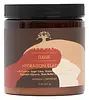 Key Ingredients
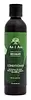
Benefits
Concerns
Ingredients Side-by-side
Water
Skin ConditioningCocos Nucifera Oil
Masking








Betaine
Humectant

Cetyl Esters
Emollient
Glycerin
Humectant
Cetyl Alcohol
Emollient
Quaternium-91
Cetearyl Alcohol
Emollient
Cetrimonium Methosulfate
AntimicrobialButyrospermum Parkii Butter
Skin Conditioning
Phytosterols
Skin Conditioning
Mangifera Indica Seed Butter
Skin Conditioning
Cocos Nucifera Fruit Powder
Skin Conditioning
Citrus Reticulata Fruit Extract
Skin ProtectingCamellia Sinensis Leaf Extract
Antimicrobial





Pyrus Malus Fruit Extract
Skin Conditioning
Citrus Limon Peel Extract
EmollientSaccharum Officinarum Extract
MoisturisingParfum
Masking

Tocopheryl Acetate
Antioxidant
Caprylyl Glycol
Emollient
Phenoxyethanol
Preservative
Polyquaternium-37
Propylene Glycol Dicaprylate/Dicaprate
EmollientPPG-1 Trideceth-6
Skin ConditioningSodium Benzoate
Masking
Caprylic/Capric Triglyceride
Masking
Abies Balsamea Resin
MaskingLimonene
Perfuming
Water, Cocos Nucifera Oil, Betaine, Cetyl Esters, Glycerin, Cetyl Alcohol, Quaternium-91, Cetearyl Alcohol, Cetrimonium Methosulfate, Butyrospermum Parkii Butter, Phytosterols, Mangifera Indica Seed Butter, Cocos Nucifera Fruit Powder, Citrus Reticulata Fruit Extract, Camellia Sinensis Leaf Extract, Pyrus Malus Fruit Extract, Citrus Limon Peel Extract, Saccharum Officinarum Extract, Parfum, Tocopheryl Acetate, Caprylyl Glycol, Phenoxyethanol, Polyquaternium-37, Propylene Glycol Dicaprylate/Dicaprate, PPG-1 Trideceth-6, Sodium Benzoate, Caprylic/Capric Triglyceride, Abies Balsamea Resin, Limonene
Water
Skin ConditioningGlycerin
Humectant
Betaine
Humectant
Cetearyl Alcohol
Emollient
Cetyl Alcohol
Emollient
Bis-Octyldodecyl Dimer Dilinoleate/Propanediol Copolymer
EmollientLinum Usitatissimum Seed Extract
Perfuming
Brassicamidopropyl Dimethylamine
Skin ConditioningRosmarinus Officinalis Leaf Oil
Masking
Caffeine
Skin Conditioning
Mentha Piperita Oil
Masking

Serenoa Serrulata Fruit Extract
Skin Conditioning
Ceramide NP
Skin Conditioning
Copper Tripeptide-1
Skin Conditioning
Copper Tripeptide-34
Skin Conditioning
Biotin
AntiseborrhoeicInositol
Humectant
Phytosterols
Skin Conditioning
Menthol
Masking
Melatonin
Antioxidant
Lactic Acid
Buffering


Sarcosine
Skin Conditioning
Polyglyceryl-10 Laurate
Skin Conditioning
Potassium Olivate
EmulsifyingCaprylhydroxamic Acid
Caprylyl Glycol
Emollient
Sodium Benzoate
Masking
Potassium Sorbate
Preservative
Water, Glycerin, Betaine, Cetearyl Alcohol, Cetyl Alcohol, Bis-Octyldodecyl Dimer Dilinoleate/Propanediol Copolymer, Linum Usitatissimum Seed Extract, Brassicamidopropyl Dimethylamine, Rosmarinus Officinalis Leaf Oil, Caffeine, Mentha Piperita Oil, Serenoa Serrulata Fruit Extract, Ceramide NP, Copper Tripeptide-1, Copper Tripeptide-34, Biotin, Inositol, Phytosterols, Menthol, Melatonin, Lactic Acid, Sarcosine, Polyglyceryl-10 Laurate, Potassium Olivate, Caprylhydroxamic Acid, Caprylyl Glycol, Sodium Benzoate, Potassium Sorbate
Ingredients Explained
These ingredients are found in both products.
Ingredients higher up in an ingredient list are typically present in a larger amount.
Betaine is a humectant. Like hyaluronic acid, it helps attract and retain moisture in the skin. It’s known for being gentle and for helping the skin maintain balanced hydration.
Betaine is mainly used to improve hydration and support calmer skin. It helps skin cells regulate water balance because it functions as an osmolyte.
Some studies suggest betaine may support making skin tone more even.
Fun fact: Betaine naturally exists in the skin and the body. In cosmetic products, it can be either plant-derived (most commonly from sugar beets) or synthetically produced for consistency and stability.
Betaine is also known as trimethylglycine.
Learn more about BetaineCaprylyl Glycol is a humectant, skin conditioner, emollient, and preservative booster derived from either caprylic acid or synthetically created.
Typical use levels vary from 0.3-1% as a preservative booster and go up to 2% to condition skin.
Because it is not a free-fatty acid, this ingredient is fungal acne safe (there's nothing for Malassezia to feed on).
Learn more about Caprylyl GlycolCetearyl alcohol is a waxy mixture of two fatty alcohols: cetyl alcohol and stearyl alcohol. It is an emollient and emulsifier.
Despite having "alcohol" in its name, it has nothing to do with drying solvent alcohols; the FDA also allows "alcohol-free" products to contain fatty alcohols like this ingredient.
It plays several roles in a formula:
Typical use levels for this ingredient sit around 1-10% and the Cosmetic Ingredient Review Expert Panel has affirmed safety at concentrations up to 25% in leave-on products.
Multiple assessments have found it to be non-irritating and non-sensitizing to most people.
However, there have been some cases of allergic contact dermatitis in patients with chronically compromised skin barriers.
Cetearyl alcohol has a comedogenic rating of 2 and irritancy rating of 1. Both of these numbers come from the 1989 study that used rabbit ears; a "2" means mildly comedogenic and a "1" means low irritancy.
Here's the catch: rabbit skin is more sensitive than human skin and throws a lot of false positives. A 1996 reappraisal found that ingredients rated 1-2 in the rabbit ear tests are generally safe for humans.
Remember comedogenic ratings are unable to assess the entire formula of a product or how it will react on your skin. Just be sure to patch test if you are unsure about certain ingredients.
This ingredient is not fungal acne safe. Cetearyl alcohol is a fatty alcohol with chain lengths that fall within the range that Malassezia can metabolize.
A 2019 study has also observed Malassezia growth in the presence of this ingredient, confirming it to be not-fungal acne safe.
Learn more about Cetearyl AlcoholCetyl Alcohol is a fatty alcohol. Fatty Alcohols are most often used as an emollient or to thicken a product.
Its main roles are:
Though it has "alcohol" in the name, it is not related to denatured alcohol or ethyl alcohol.
The FDA allows products labeled "alcohol-free" to have fatty alcohols.
This ingredient may not be fungal acne safe. It is a primary fatty alcohol with a chain length above 12 carbons. A study from 2019 show Malassezia can feed on fatty alcohols in this range, so it may trigger fungal acne in those prone to it.
Learn more about Cetyl AlcoholGlycerin (or glycerol) is a compound naturally found in your skin. It's a powerhouse humectant that pulls water into the stratum corneum.
Topically, glycerin does several things at once:
Your skin makes glycerin on its own (mostly from sebaceous oil breakdown) and shuttles it to your outermost layer of skin, or your epidermis, via aquaporin-3.
Aquaporin-3 is a transporter that is essential for normal skin hydration, elasticity, and repair. Interestingly, mice lacking in AQP3 have dry and less elastic skin that can be fully corrected with glycerin.
This ingredient is non-irritating, plays well with almost every ingredient, and works across all skin types. Typical use is anywhere between 3-10% but can go up to 79% in some leave-on products.
Just know very high concentrations (>40%) can feel tacky in low humidity.
Glycerin is the name for this ingredient in American English. British English uses Glycerol/Glycerine.
Learn more about GlycerinPhytosterols are plant-derived sterols (you can think of them as the plant world's version of cholesterol). In cosmetics, this ingredient is usually sourced from soybean, rice bran, shea, sunflower, and other seed oils.
The main actors in this group are β-sitosterol, campesterol, and stigmasterol (the CIR covers 27 phytosterols).
They work by fitting perfectly into your stratum corneum's lipid matrix since they're structurally similar to cholesterol. Here, they reinforce your skin's barrier.
One small in vivo human study showed topical soybean phytosterols sped up barrier recovery within three days on tape-stripped skin.
Broader research credits them with:
Formulation use typically sit under 5%.
Testing in soy-allergic subjects found no sensitization signals, but be sure to patch test if you are unsure or have existing allergies.
Learn more about PhytosterolsSodium Benzoate is a preservative. It's used in both cosmetic and food products to inhibit the growth of mold and bacteria. It is typically produced synthetically.
Both the US FDA and EU Health Committee have approved the use of sodium benzoate. In the US, levels of 0.1% (of the total product) are allowed.
Sodium benzoate works as a preservative by inhibiting the growth of bacteria inside of cells. It prevents the cell from fermenting a type of sugar using an enzyme called phosphofructokinase.
It is the salt of benzoic acid. Foods containing sodium benzoate include soda, salad dressings, condiments, fruit juices, wines, and snack foods.
Studies for using ascorbic acid and sodium benzoate in cosmetics are lacking, especially in skincare routines with multiple steps.
We always recommend speaking with a professional, such as a dermatologist, if you have any concerns.
Learn more about Sodium BenzoateWater. It's the most common cosmetic ingredient of all. You'll usually see it at the top of ingredient lists, meaning that it makes up the largest part of the product.
So why is it so popular? Water most often acts as a solvent - this means that it helps dissolve other ingredients into the formulation.
You'll also recognize water as that liquid we all need to stay alive. If you see this, drink a glass of water. Remember to stay hydrated!
Learn more about Water

