Balance Active Formula Ceramides Skin Barrier Serum Versus Beauty of Joseon Ginseng Skin Barrier Serum


What's inside
What's inside
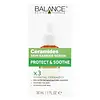 Key Ingredients
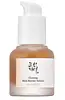
Benefits
Concerns
No concerns
Ingredients Side-by-side
Water
Skin ConditioningPropylene Glycol
Humectant


Sodium Hyaluronate
Humectant



Phenoxyethanol
Preservative
Panthenol
Skin Conditioning

Sodium Lauroyl Lactylate
EmulsifyingTetrasodium Glutamate Diacetate
Ethylhexylglycerin
Skin ConditioningPentylene Glycol
Skin Conditioning
Ceramide NP
Skin Conditioning
Citric Acid
Buffering

Ceramide AP
Skin Conditioning
Phytosphingosine
Skin Conditioning
Cholesterol
Emollient
Xanthan Gum
EmulsifyingCarbomer
Emulsion StabilisingSodium Hydroxide
BufferingSodium Hyaluronate Crosspolymer
Humectant
Ceramide EOP
Skin Conditioning
Water, Propylene Glycol, Sodium Hyaluronate, Phenoxyethanol, Panthenol, Sodium Lauroyl Lactylate, Tetrasodium Glutamate Diacetate, Ethylhexylglycerin, Pentylene Glycol, Ceramide NP, Citric Acid, Ceramide AP, Phytosphingosine, Cholesterol, Xanthan Gum, Carbomer, Sodium Hydroxide, Sodium Hyaluronate Crosspolymer, Ceramide EOP
Water
Skin ConditioningButylene Glycol
Humectant
Dipropylene Glycol
Humectant1,2-Hexanediol
Skin Conditioning
Glycerin
Humectant
Niacinamide
Smoothing





Methylpropanediol
SolventPropanediol
Solvent
Trehalose
Humectant
Carbomer
Emulsion StabilisingTromethamine
BufferingCorchorus Olitorius Leaf Extract
Skin ConditioningNelumbo Nucifera Root Extract
Skin ConditioningHibiscus Esculentus Fruit Extract
Skin ConditioningDioscorea Japonica Root Extract
Skin Conditioning
Angelica Keiskei Extract
Antioxidant
Sodium Polyacrylate
Absorbent
Ethylhexylglycerin
Skin ConditioningAdenosine
Skin Conditioning
Xanthan Gum
EmulsifyingDextrin
AbsorbentTheobroma Cacao Extract
Skin ConditioningMelia Azadirachta Flower Extract
Skin ConditioningDisodium EDTA
Ocimum Sanctum Leaf Extract
Skin ConditioningGlyceryl Acrylate/Acrylic Acid Copolymer
HumectantMelia Azadirachta Leaf Extract
Skin ConditioningPanax Ginseng Root Extract
Emollient
Sodium Hyaluronate
Humectant
Curcuma Longa Root Extract
Masking
Corallina Officinalis Extract
Skin Conditioning
Beta-Glucan
Skin Conditioning
Scutellaria Baicalensis Root Extract
Astringent
Centella Asiatica Extract
Cleansing
Hydroxypropyltrimonium Hyaluronate
Phellinus Linteus Extract
Skin ConditioningTocopherol
Antioxidant
Sodium Acetylated Hyaluronate
Humectant
Hydrolyzed Hyaluronic Acid
Humectant
Hyaluronic Acid
Humectant
Sodium Hyaluronate Crosspolymer
Humectant
Hydrolyzed Sodium Hyaluronate
Skin Conditioning
Potassium Hyaluronate
Skin ConditioningWater, Butylene Glycol, Dipropylene Glycol, 1,2-Hexanediol, Glycerin, Niacinamide, Methylpropanediol, Propanediol, Trehalose, Carbomer, Tromethamine, Corchorus Olitorius Leaf Extract, Nelumbo Nucifera Root Extract, Hibiscus Esculentus Fruit Extract, Dioscorea Japonica Root Extract, Angelica Keiskei Extract, Sodium Polyacrylate, Ethylhexylglycerin, Adenosine, Xanthan Gum, Dextrin, Theobroma Cacao Extract, Melia Azadirachta Flower Extract, Disodium EDTA, Ocimum Sanctum Leaf Extract, Glyceryl Acrylate/Acrylic Acid Copolymer, Melia Azadirachta Leaf Extract, Panax Ginseng Root Extract, Sodium Hyaluronate, Curcuma Longa Root Extract, Corallina Officinalis Extract, Beta-Glucan, Scutellaria Baicalensis Root Extract, Centella Asiatica Extract, Hydroxypropyltrimonium Hyaluronate, Phellinus Linteus Extract, Tocopherol, Sodium Acetylated Hyaluronate, Hydrolyzed Hyaluronic Acid, Hyaluronic Acid, Sodium Hyaluronate Crosspolymer, Hydrolyzed Sodium Hyaluronate, Potassium Hyaluronate
Reviews
Ingredients Explained
These ingredients are found in both products.
Ingredients higher up in an ingredient list are typically present in a larger amount.
Carbomer is a high-molecular weight polymer of acrylic acid. It is used to form gels and thicken formulas.
Due to its large molecular size, carbomer has minimal skin penetration and is considered an inert ingredient.
A high amount of carbomer can cause pilling or balling up of products. Don't worry, most products contain 1% or less of carbomer.
Learn more about CarbomerEthylhexylglycerin is created from glycerin. It is a multitasker ingredient that:
The CIR Expert Panel found minimal skin absorption or sensitization of any kind in a safety assessment. Though this ingredient is considered well-tolerated, a small number of cases of allergic dermatitis have been published since 2002. Just be sure to patch test if you are unsure.
Industry-reported use ranges from 8% in rinse-off products and 2% in leave-on formulations.
Learn more about EthylhexylglycerinSodium Hyaluronate is the salt form of hyaluronic acid. It is a long sugar chain that is naturally found in your skin, joints, and connective tissue that maintains hydration and elasticity.
In skincare, it works as a humectant. It pulls water from the environment and deeper layers of skin and binds it to the surface.
Interestingly, the size of the molecule affects its behavior:
Some clinical evidence links low molecular weight versions to improved wrinkle depth, elasticity, anti-inflammatory effects, and barrier repair.
Many serums use a blend of both weights so you can get surface hydration plus longer-lasting and deeper effects.
You'll typically see concentrations between 0.1-2% for this ingredient.
Learn more about Sodium HyaluronateSodium Hyaluronate Crosspolymer is a crosslinked version of sodium hyaluronate. This just means it's linked into a 3D mesh network that lets it be more stable and sit on skin as a cohesive, gel-like film rather than sinking into skin.
A 2016 human skin study found crosslinked HA increased epidermal water content by 7.6% over the control group and reduced transepidermal water loss by 27.8%.
A follow-up clinical trial found that a topical crosslinked HA serum applied after fillers, microneedling, or chemical peels was well-tolerated and enhanced skin quality at 14 / 28 days.
More recent research suggests that concentrations as low as 0.03% can act as a penetration enhancer for other skincare actives.
Learn more about Sodium Hyaluronate CrosspolymerWater. It's the most common cosmetic ingredient of all. You'll usually see it at the top of ingredient lists, meaning that it makes up the largest part of the product.
So why is it so popular? Water most often acts as a solvent - this means that it helps dissolve other ingredients into the formulation.
You'll also recognize water as that liquid we all need to stay alive. If you see this, drink a glass of water. Remember to stay hydrated!
Learn more about WaterXanthan gum is used as a stabilizer and thickener within cosmetic products. It helps give products a sticky, thick feeling - preventing them from being too runny.
On the technical side of things, xanthan gum is a polysaccharide - a combination consisting of multiple sugar molecules bonded together.
Xanthan gum is a pretty common and great ingredient. It is a natural, non-toxic, non-irritating ingredient that is also commonly used in food products.
Learn more about Xanthan Gum
