
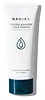
This barrier-repair moisturizer is formulated around Centella Asiatica Extract and Niacinamide to strengthen the skin barrier and hydrate skin.
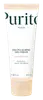
This calming moisturizer is formulated around Avena Sativa Seed Water and Dipotassium Glycyrrhizate to calm redness and hydrate skin.

What's inside
What's inside
 Key Ingredients
Benefits
Concerns
No concerns
Ingredients Side-by-side
Centella Asiatica Extract
Cleansing





Butylene Glycol
Humectant
1,2-Hexanediol
Skin Conditioning
Niacinamide
Smoothing





Cetearyl Olivate


Cetearyl Alcohol
Emollient




Caprylic/Capric Triglyceride
Masking
Cetyl Ethylhexanoate
EmollientSorbitan Olivate
Emulsifying
Coco-Caprylate/Caprate
Emollient
Prunus Amygdalus Dulcis Oil
Skin Conditioning
Ceramide NP
Skin Conditioning
Ceramide Ns
Skin Conditioning
Sodium Hyaluronate
Humectant
Ceramide AP
Skin Conditioning
Ceramide As
Skin Conditioning
Hydroxypropyltrimonium Hyaluronate
Hydrolyzed Hyaluronic Acid
Humectant
Sodium Acetylated Hyaluronate
Humectant
Hyaluronic Acid
Humectant
Ceramide EOP
Skin Conditioning
Potassium Hyaluronate
Skin ConditioningHydrolyzed Sodium Hyaluronate
Skin Conditioning
Sodium Hyaluronate Crosspolymer
Humectant
Phytosphingosine
Skin Conditioning
Acetyl Hexapeptide-8
Humectant
Glyceryl Caprylate
EmollientArginine
Masking
Allantoin
Skin Conditioning
Caprylyl Glycol
Emollient
Ethylhexylglycerin
Skin ConditioningDipotassium Glycyrrhizate
Humectant
Hydrogenated Lecithin
Emulsifying
Adenosine
Skin Conditioning
Sodium Acrylates Copolymer
Glyceryl Stearate Se
Emulsifying
Glyceryl Stearate
Emollient
Carbomer
Emulsion StabilisingLecithin
Emollient
Stearic Acid
Cleansing
Panthenol
Skin Conditioning
Cholesterol
Emollient
Water
Skin ConditioningCentella Asiatica Extract, Butylene Glycol, 1,2-Hexanediol, Niacinamide, Cetearyl Olivate, Cetearyl Alcohol, Caprylic/Capric Triglyceride, Cetyl Ethylhexanoate, Sorbitan Olivate, Coco-Caprylate/Caprate, Prunus Amygdalus Dulcis Oil, Ceramide NP, Ceramide Ns, Sodium Hyaluronate, Ceramide AP, Ceramide As, Hydroxypropyltrimonium Hyaluronate, Hydrolyzed Hyaluronic Acid, Sodium Acetylated Hyaluronate, Hyaluronic Acid, Ceramide EOP, Potassium Hyaluronate, Hydrolyzed Sodium Hyaluronate, Sodium Hyaluronate Crosspolymer, Phytosphingosine, Acetyl Hexapeptide-8, Glyceryl Caprylate, Arginine, Allantoin, Caprylyl Glycol, Ethylhexylglycerin, Dipotassium Glycyrrhizate, Hydrogenated Lecithin, Adenosine, Sodium Acrylates Copolymer, Glyceryl Stearate Se, Glyceryl Stearate, Carbomer, Lecithin, Stearic Acid, Panthenol, Cholesterol, Water
Avena Sativa Seed Water 77%
Solvent
Butylene Glycol
Humectant
Glycerin
Humectant
2,3-Butanediol
Humectant1,2-Hexanediol
Skin Conditioning
Water
Skin ConditioningAmmonium Acryloyldimethyltaurate/Vp Copolymer
Squalane
Emollient
Hydroxyacetophenone
Antioxidant
Carbomer
Emulsion StabilisingDipotassium Glycyrrhizate
Humectant
Panthenol
Skin Conditioning
Tromethamine
BufferingEthylhexylglycerin
Skin ConditioningInulin Lauryl Carbamate
Emulsion StabilisingSodium Surfactin
CleansingBeta-Glucan
Skin Conditioning
Avena Sativa Seed Water 77%, Butylene Glycol, Glycerin, 2,3-Butanediol, 1,2-Hexanediol, Water, Ammonium Acryloyldimethyltaurate/Vp Copolymer, Squalane, Hydroxyacetophenone, Carbomer, Dipotassium Glycyrrhizate, Panthenol, Tromethamine, Ethylhexylglycerin, Inulin Lauryl Carbamate, Sodium Surfactin, Beta-Glucan
Reviews
Ingredients Explained
These ingredients are found in both products.
Ingredients higher up in an ingredient list are typically present in a larger amount.
1,2-Hexanediol is a synthetic liquid and another multi-functional powerhouse.
It is a:
- Humectant, drawing moisture into the skin
- Emollient, helping to soften skin
- Solvent, dispersing and stabilizing formulas
- Preservative booster, enhancing the antimicrobial activity of other preservatives
Butylene Glycol (or BG) is used within cosmetic products for a few different reasons:
Overall, Butylene Glycol is a safe and well-rounded ingredient that works well with other ingredients.
Though this ingredient works well with most skin types, some people with sensitive skin may experience a reaction such as allergic rashes, closed comedones, or itchiness.
Learn more about Butylene GlycolCarbomer is a synthetic thickening and gelling agent. It's basically the ingredient that gives a lot of serums, gels, creams, and sunscreens their smooth, non-sticky texture.
Although legally permitted at very high levels, carbomers are normally used at concentrations below 1%.
It also needs to be neutralized to actually thicken, and because it is a large molecule, it doesn't really penetrate the skin barrier.
Allergy-wise, the risk is very low. Clinical studies show carbomers have low potential for skin irritation/sensitization even at concentrations up to 100%.
A 2024 UK study patch-tested 1,302 patients and found true allergy to the parent group of carbomer to be rare with no confirmed relevant reactions.
Learn more about CarbomerDipotassium Glycyrrhizate comes from licorice root.
Extracts of licorice have demonstrated to have antibacterial, anti‐inflammatory, antiviral, antioxidant properties.
One component, glabridin, has extra potent antioxidant and soothing properties. It has also been found to block pigmentation from UVB rays in guinea pigs.
Licorice Root also contains a flavonoid. Flavonoids are a natural substance from in plants. Flavonoids also have antioxidant properties.
Another component, glycyrrhizin, has been found to have anti-inflammatory and antimicrobial benefits. This may make licorice root extract effective at treating acne. However, more research is needed to support this.
Liquiritin is one of the flavone compounds found in licorice. It has been found to help lighten skin by preventing tyrosinase from reacting with tyrosine. When the two react, protein is converted to melanin. Melanin is the substance in your body that gives your features pigmentation.
Licorice root is native to Southern Europe and Asia. It has been used in traditional Chinese medicine to help with respiratory issues.
Learn more about Dipotassium GlycyrrhizateEthylhexylglycerin is created from glycerin. It is a multitasker ingredient that:
The CIR Expert Panel found minimal skin absorption or sensitization of any kind in a safety assessment. Though this ingredient is considered well-tolerated, a small number of cases of allergic dermatitis have been published since 2002. Just be sure to patch test if you are unsure.
Industry-reported use ranges from 8% in rinse-off products and 2% in leave-on formulations.
Learn more about EthylhexylglycerinPanthenol is a common ingredient that helps hydrate and soothe the skin. It is found naturally in our skin and hair.
There are two forms of panthenol: D and L.
D-panthenol is also known as dexpanthenol. Most cosmetics use dexpanthenol or a mixture of D and L-panthenol.
Panthenol is famous due to its ability to go deeper into the skin's layers. Using this ingredient has numerous pros (and no cons):
Like hyaluronic acid, panthenol is a humectant. Humectants are able to bind and hold large amounts of water to keep skin hydrated.
This ingredient works well for wound healing. It works by increasing tissue in the wound and helps close open wounds.
Once oxidized, panthenol converts to pantothenic acid. Panthothenic acid is found in all living cells.
This ingredient is also referred to as pro-vitamin B5.
Learn more about PanthenolWater. It's the most common cosmetic ingredient of all. You'll usually see it at the top of ingredient lists, meaning that it makes up the largest part of the product.
So why is it so popular? Water most often acts as a solvent - this means that it helps dissolve other ingredients into the formulation.
You'll also recognize water as that liquid we all need to stay alive. If you see this, drink a glass of water. Remember to stay hydrated!
Learn more about Water

