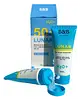
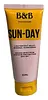
This chemical sunscreen covers most of the UV range, lighter on the deep UVA that drives aging.
This hybrid sunscreen covers the full UV range, though its SPF isn't confirmed on file yet.

What's inside
What's inside
 Key Ingredients
Benefits
Concerns
Ingredients Side-by-side
Butyl Methoxydibenzoylmethane 2.5%
UV Absorber
Homosalate 8%
Skin Conditioning
Ethylhexyl Salicylate 5%
UV Absorber
Octocrylene 9%
UV Absorber

Water
Skin ConditioningCarbomer
Emulsion StabilisingCaprylyl Methicone
Skin Conditioning
Propanediol
Solvent

Bis-Ethylhexyl Hydroxydimethoxy Benzylmalonate
Antioxidant
Betaine
Humectant
Ammonium Acryloyldimethyltaurate/Vp Copolymer
Sodium Hyaluronate
Humectant


Hydroxyacetophenone
Antioxidant
Hydrolyzed Wheat Protein
Skin ConditioningDibutyl Ethylhexanoyl Glutamide
Skin ConditioningDipotassium Glycyrrhizate
Humectant
Tocopheryl Acetate
Antioxidant

Aminomethyl Propanol
BufferingPentylene Glycol
Skin Conditioning
Aloe Barbadensis Leaf Extract
Emollient
Silica
Abrasive


Bioflavonoids
Skin ConditioningPotassium Sorbate
Preservative
Hydroxyphenyl Propamidobenzoic Acid
Skin ConditioningEthylhexylglycerin
Skin ConditioningCamellia Sinensis Leaf Extract
Antimicrobial
Butyl Methoxydibenzoylmethane 2.5%, Homosalate 8%, Ethylhexyl Salicylate 5%, Octocrylene 9%, Water, Carbomer, Caprylyl Methicone, Propanediol, Bis-Ethylhexyl Hydroxydimethoxy Benzylmalonate, Betaine, Ammonium Acryloyldimethyltaurate/Vp Copolymer, Sodium Hyaluronate, Hydroxyacetophenone, Hydrolyzed Wheat Protein, Dibutyl Ethylhexanoyl Glutamide, Dipotassium Glycyrrhizate, Tocopheryl Acetate, Aminomethyl Propanol, Pentylene Glycol, Aloe Barbadensis Leaf Extract, Silica, Bioflavonoids, Potassium Sorbate, Hydroxyphenyl Propamidobenzoic Acid, Ethylhexylglycerin, Camellia Sinensis Leaf Extract
Titanium Dioxide
Cosmetic Colorant
Zinc Oxide
Cosmetic Colorant
Water
Skin ConditioningUndecane
EmollientTriethylhexanoin
MaskingCaprylyl Methicone
Skin Conditioning
Butyloctyl Salicylate
Skin Conditioning
Silica
Abrasive
Tridecane
Perfuming

Dicaprylyl Carbonate
EmollientDicaprylyl Ether
Emollient
Dimethicone/PEG-10/15 Crosspolymer
Aluminum Stearate
Cosmetic ColorantPentylene Glycol
Skin Conditioning
PEG-9
HumectantAlumina
Abrasive
Polyhydroxystearic Acid
Emulsifying

Phenoxyethanol
Preservative
Magnesium Sulfate
Propylene Glycol
Humectant
Caprylyl Glycol
Emollient
Disteardimonium Hectorite
StabilisingTriethoxycaprylylsilane
Diethylhexyl Syringylidenemalonate
Skin Protecting
Propylene Carbonate
SolventCassia Alata Leaf Extract
AstringentMaltodextrin
Absorbent
Titanium Dioxide, Zinc Oxide, Water, Undecane, Triethylhexanoin, Caprylyl Methicone, Butyloctyl Salicylate, Silica, Tridecane, Dicaprylyl Carbonate, Dicaprylyl Ether, Dimethicone/PEG-10/15 Crosspolymer, Aluminum Stearate, Pentylene Glycol, PEG-9, Alumina, Polyhydroxystearic Acid, Phenoxyethanol, Magnesium Sulfate, Propylene Glycol, Caprylyl Glycol, Disteardimonium Hectorite, Triethoxycaprylylsilane, Diethylhexyl Syringylidenemalonate, Propylene Carbonate, Cassia Alata Leaf Extract, Maltodextrin
Ingredients Explained
These ingredients are found in both products.
Ingredients higher up in an ingredient list are typically present in a larger amount.
Caprylyl Methicone is a synthetic and lightweight silicone fluid. It gives products a silky, dry-touch finish without the heaviness of pure oils.
Though the EU CosIng Database lists this ingredient as a skin conditioner, it is also used for sensory reasons. It spreads easily, cuts greasiness, and reduces tackiness.
This ingredient is volatile which means it will mostly evaporate (but it evaporates slower than older cyclomethicones, like Cyclotetrasiloxane).
Typical concentration ranges from 1-30% depending on if it's being used to tweak the feel of a product or acting as the main emollient.
Learn more about Caprylyl MethiconePentylene Glycol (1,2-pentanediol) is a multitasking little diol with three main roles in a formula:
Research on alkanediols (the family pentylene glycol belongs to) show they work by disrupting microbial cell membranes. This disruption helps the primary preservative system in a product work more effectively at lower doses.
On the safety side, the Cosmetic Ingredient Review Expert Panel has concluded this ingredient to be safe as used in current cosmetic practices + concentrations.
Typical use levels in a formula run about 1-5%.
Learn more about Pentylene GlycolSilica, also known as silicon dioxide, is a naturally occurring mineral. It is used as a fine, spherical, and porous powder in cosmetics.
Though it has exfoliant properties, the function of silica varies depending on the product.
The unique structure of silica enhances the spreadability and adds smoothness, making it a great texture enhancer.
It is also used as an active carrier, emulsifier, and mattifier due to its ability to absorb excess oil.
In some products, tiny microneedles called spicules are made from silica or hydrolyzed sponge. When you rub them in, they lightly polish away dead skin layers and enhance the penetration of active ingredients.
Learn more about SilicaWater. It's the most common cosmetic ingredient of all. You'll usually see it at the top of ingredient lists, meaning that it makes up the largest part of the product.
So why is it so popular? Water most often acts as a solvent - this means that it helps dissolve other ingredients into the formulation.
You'll also recognize water as that liquid we all need to stay alive. If you see this, drink a glass of water. Remember to stay hydrated!
Learn more about Water

