

What's inside
What's inside
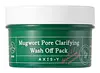 Key Ingredients
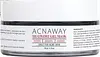
Benefits
Concerns
No concerns
Ingredients Side-by-side
Artemisia Princeps Extract
Skin Conditioning



Kaolin
Abrasive



Dipropylene Glycol
HumectantBentonite
Absorbent
Betaine
Humectant
Phaseolus Angularis Seed Powder
Laminaria Japonica Extract
Skin Protecting
Eclipta Prostrata Leaf Extract
Skin ConditioningAvena Sativa Kernel Extract
Abrasive
Pteris Multifida Extract
Antioxidant
Cynara Scolymus Leaf Extract
Skin ConditioningGlycyrrhiza Uralensis Root Extract
Skin Conditioning
Vigna Radiata Seed Extract
Skin ConditioningHouttuynia Cordata Extract
Skin Conditioning
Cryptomeria Japonica Leaf Extract
HumectantNelumbo Nucifera Leaf Extract
Skin ConditioningHydrogenated Lecithin
Emulsifying
Sodium Hyaluronate
Humectant

1,2-Hexanediol
Skin Conditioning
Methylpropanediol
SolventXanthan Gum
EmulsifyingGlycerin
Humectant
Chromium Oxide Greens
Charcoal Powder
Abrasive
Water
Skin ConditioningBeta-Glucan
Skin Conditioning
Polyquaternium-51
Skin Conditioning
Fructooligosaccharides
Humectant
Allantoin
Skin Conditioning
Hydrolyzed Hyaluronic Acid
Humectant
Butylene Glycol
Humectant
Camellia Sinensis Leaf Powder
Saccharomyces Ferment Filtrate
Humectant
Hydroxyacetophenone
Antioxidant
Ethylhexylglycerin
Skin ConditioningRosmarinus Officinalis Leaf Oil
Masking

Artemisia Princeps Extract, Kaolin, Dipropylene Glycol, Bentonite, Betaine, Phaseolus Angularis Seed Powder, Laminaria Japonica Extract, Eclipta Prostrata Leaf Extract, Avena Sativa Kernel Extract, Pteris Multifida Extract, Cynara Scolymus Leaf Extract, Glycyrrhiza Uralensis Root Extract, Vigna Radiata Seed Extract, Houttuynia Cordata Extract, Cryptomeria Japonica Leaf Extract, Nelumbo Nucifera Leaf Extract, Hydrogenated Lecithin, Sodium Hyaluronate, 1,2-Hexanediol, Methylpropanediol, Xanthan Gum, Glycerin, Chromium Oxide Greens, Charcoal Powder, Water, Beta-Glucan, Polyquaternium-51, Fructooligosaccharides, Allantoin, Hydrolyzed Hyaluronic Acid, Butylene Glycol, Camellia Sinensis Leaf Powder, Saccharomyces Ferment Filtrate, Hydroxyacetophenone, Ethylhexylglycerin, Rosmarinus Officinalis Leaf Oil
Water
Skin ConditioningButylene Glycol
Humectant
PEG/PPG-17/6 Copolymer
SolventAcrylates/C10-30 Alkyl Acrylate Crosspolymer
Emulsion StabilisingArginine
Masking
Propylene Glycol
Humectant

PPG-5-Ceteth-20
EmulsifyingHydroxyacetophenone
Antioxidant
Camellia Sinensis Leaf
Perfuming
Aloe Barbadensis Leaf Juice Powder
Skin Conditioning
Dimethiconol
Emollient
Allantoin
Skin Conditioning
Niacinamide
Smoothing



1,2-Hexanediol
Skin Conditioning
Caprylhydroxamic Acid
Beta-Glucan
Skin Conditioning
Sodium Hyaluronate
Humectant
Gentiana Scabra Root Extract
Skin ConditioningDipotassium Glycyrrhizate
Humectant
Portulaca Oleracea Extract
Skin Conditioning
Glyceryl Caprylate
EmollientEthylhexylglycerin
Skin ConditioningLactobacillus/Soymilk Ferment Filtrate
Skin ConditioningHouttuynia Cordata Extract
Skin Conditioning
Artemisia Argyi Leaf Extract
Skin ConditioningCalendula Officinalis Extract
Skin Conditioning
Ahnfeltiopsis Concinna Extract
Skin Conditioning
Sodium Dehydroacetate
Preservative
Phenoxyethanol
Preservative
Chlorphenesin
Antimicrobial
Lavandula Angustifolia Oil
Masking

Melaleuca Alternifolia Leaf Oil
Antioxidant
Mentha Piperita Oil
Masking
CI 19140
Cosmetic ColorantCI 74260
Cosmetic ColorantCI 77266
Cosmetic ColorantCI 16255
Cosmetic ColorantSalicylic Acid
Masking
Water, Butylene Glycol, PEG/PPG-17/6 Copolymer, Acrylates/C10-30 Alkyl Acrylate Crosspolymer, Arginine, Propylene Glycol, PPG-5-Ceteth-20, Hydroxyacetophenone, Camellia Sinensis Leaf, Aloe Barbadensis Leaf Juice Powder, Dimethiconol, Allantoin, Niacinamide, 1,2-Hexanediol, Caprylhydroxamic Acid, Beta-Glucan, Sodium Hyaluronate, Gentiana Scabra Root Extract, Dipotassium Glycyrrhizate, Portulaca Oleracea Extract, Glyceryl Caprylate, Ethylhexylglycerin, Lactobacillus/Soymilk Ferment Filtrate, Houttuynia Cordata Extract, Artemisia Argyi Leaf Extract, Calendula Officinalis Extract, Ahnfeltiopsis Concinna Extract, Sodium Dehydroacetate, Phenoxyethanol, Chlorphenesin, Lavandula Angustifolia Oil, Melaleuca Alternifolia Leaf Oil, Mentha Piperita Oil, CI 19140, CI 74260, CI 77266, CI 16255, Salicylic Acid
Reviews
Ingredients Explained
These ingredients are found in both products.
Ingredients higher up in an ingredient list are typically present in a larger amount.
1,2-Hexanediol is a synthetic liquid and another multi-functional powerhouse.
It is a:
- Humectant, drawing moisture into the skin
- Emollient, helping to soften skin
- Solvent, dispersing and stabilizing formulas
- Preservative booster, enhancing the antimicrobial activity of other preservatives
Allantoin is a soothing ingredient known for its protective and moisturizing properties; it's basically a quiet workhorse ingredient you can find in a huge range of cosmetics.
Though it can be derived from the comfrey plant, allantoin is produced synthetically for cosmetic products to ensure purity.
Research shows it can encourage your skin cells to turn over and renew by stimulating keratinocyte and fibroblast proliferation.
It also has mild keratolytic properties to help loosen and shed dead skin cells without being harsh.
Studies also suggest allantoin can help calm inflammation by dialing down some of the chemical signals your skin sends out when it is irritated.
This ingredient is typically used in the 0.1-0.5% range, and the FDA recognizes it as a skin protectant in OTC products up to 2%.
Overall, allantoin is a wonderful addition to most routines; it is stable across a wide pH range (~4-8), works well with other ingredients, and is considered non-sensitizing/non-irritating.
Fun fact: Allantoin is naturally occurring in comfrey root, beets, chamomile, and wheat sprouts. Our bodies even produce it as a byproduct of uric acid metabolism.
Learn more about AllantoinBeta-Glucan is a soluble polysaccharide (a chain of glucose sugars) sourced from the cells walls of oats, baker's yeast, mushrooms, and seaweed.
It's a rare ingredient that pulls double-duty as a heavy-duty hydrator and skin-soothing repair agent.
On the surface, it acts as a humectant that holds water in place and reduces moisture loss for a plumper, smoother feel, while its anti-inflammatory and antioxidant properties make it a great pick for calming redness or sensitive skin
The more interesting story is underneath:
Despite its large molecular size, oat beta-glucan has been shown to penetrate the epidermis and reach the dermis by slipping between skin cells. Here, it interacts with fibroblasts and macrophages to nudge collagen synthesis and support wound repair.
A small 2005 split-face clinical study of 27 subjects found topical beta-glucan produced measurable reductions in wrinkle depth, height, and roughness after 8 weeks of use.
It is worth noting the trial was small and the penetration testing used frozen, irradiated skin so the anti-aging data is encouraging rather than definitive.
This ingredient gets along with pretty much everything and is typically used around 0.1-1%.
Fungal acne: This ingredient is not a food source for the Malassezia yeast because it is a glucose polysaccharide with no fatty acid or ester component.
Learn more about Beta-GlucanButylene Glycol (or BG) is used within cosmetic products for a few different reasons:
Overall, Butylene Glycol is a safe and well-rounded ingredient that works well with other ingredients.
Though this ingredient works well with most skin types, some people with sensitive skin may experience a reaction such as allergic rashes, closed comedones, or itchiness.
Learn more about Butylene GlycolEthylhexylglycerin is created from glycerin. It is a multitasker ingredient that:
The CIR Expert Panel found minimal skin absorption or sensitization of any kind in a safety assessment. Though this ingredient is considered well-tolerated, a small number of cases of allergic dermatitis have been published since 2002. Just be sure to patch test if you are unsure.
Industry-reported use ranges from 8% in rinse-off products and 2% in leave-on formulations.
Learn more about EthylhexylglycerinHouttuynia Cordata Extract is more commonly known as Heart Leaf, Fish Mint, or Chameleon plant.
The components found in Heart Leaf give it antioxidant, hydrating, antimicrobial, and anti-inflammatory properties.
Heart Leaf is rich in flavonoids such as quercetin, apigenin, and more. It also contains polysaccharides, the most common type of carbs in food.
Flavonoids have been shown to be effective antioxidants. They help neutralize free-radical molecules. Free-radical molecules are unstable molecules that may damage our skin cells and DNA. The flavonoids in Heart Leaf also help soothe the skin.
Polysaccharides are naturally found in our skin. They play a role in hydrating and repairing the top layer of skin. The polysaccharides in Heart Leaf help moisturize our skin.
Studies show decanoyl acetaldehyde, a component of Heart Leaf oil, is effective at killing bacteria.
The name 'Fish Mint' comes from the herb's natural fishy smell. Is is native to southeast Asia and used throughout the continent for traditional cooking and medicine.
Learn more about Houttuynia Cordata ExtractHydroxyacetophenone is a small phenolic molecule that earns its place in a formulas as an antioxidant and preservative booster.
As a phenol, it is able to neutralize free radicals to protect both the product and the skin from oxidative stress.
Though it can't kill microbes on its own, it works as a good supporting agent when combined with other preservatives like Phenoxyethanol or 1,2-Hexanediol.
This ingredient naturally occurs as piceol in Norwegian spruce needles (~0.4-1.1% dry weight and in cloudberries). Though the cosmetic-grade material is synthesized for purity and consistency.
You'll usually see it used at low levels and suppliers recommend up to 1% added to a water phase.
Safety testing was done at concentrations like 0.05% in SPF products and 0.5% in a Human Repeated Insult Patch Test. The safety evidence is assuring; this ingredient is safe for cosmetics in current use and also holds safety status as a food flavoring as well.
An honest caveat: the "soothing" and "anti-inflammatory" claims come mostly from supplier marketing rather than published clinical trials. The Cosmetic Ingredient Review's own literature search found no useful efficacy studies on this ingredient.
So the antioxidant and preservative-boosting roles are the well supported ones while the calming benefit is plausible but thinly evidenced.
Overall, this is a well-tolerated, low-irritation multitasker that quietly helps a formula stay fresh and stable.
Learn more about HydroxyacetophenoneSodium Hyaluronate is the salt form of hyaluronic acid. It is a long sugar chain that is naturally found in your skin, joints, and connective tissue that maintains hydration and elasticity.
In skincare, it works as a humectant. It pulls water from the environment and deeper layers of skin and binds it to the surface.
Interestingly, the size of the molecule affects its behavior:
Some clinical evidence links low molecular weight versions to improved wrinkle depth, elasticity, anti-inflammatory effects, and barrier repair.
Many serums use a blend of both weights so you can get surface hydration plus longer-lasting and deeper effects.
You'll typically see concentrations between 0.1-2% for this ingredient.
Learn more about Sodium HyaluronateWater. It's the most common cosmetic ingredient of all. You'll usually see it at the top of ingredient lists, meaning that it makes up the largest part of the product.
So why is it so popular? Water most often acts as a solvent - this means that it helps dissolve other ingredients into the formulation.
You'll also recognize water as that liquid we all need to stay alive. If you see this, drink a glass of water. Remember to stay hydrated!
Learn more about Water

