

What's inside
What's inside
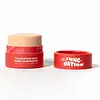 Key Ingredients
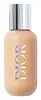
Benefits
Concerns
Ingredients Side-by-side
Limnanthes Alba Seed Oil
Skin Conditioning



Jojoba Esters
Emollient
Isononyl Isononanoate
EmollientHelianthus Annuus Seed Wax
Skin Conditioning
Corn Starch Modified
AbsorbentIsodecyl Neopentanoate
EmollientPolyglyceryl-4 Olivate/Polyricinoleate
Polyhydroxystearic Acid
Emulsifying
Synthetic Fluorphlogopite
Theobroma Cacao Seed Butter
Emollient


Sambucus Nigra Fruit Extract
AstringentPrunus Amygdalus Dulcis Oil
Skin Conditioning
Lecithin
Emollient
Caprylyl Glycol
Emollient
Ethylhexylglycerin
Skin ConditioningAzadirachta Indica Seed Oil
Skin Conditioning
Moringa Oleifera Seed Oil
Emollient
Ganoderma Lucidum Stem Extract
Skin ConditioningTremella Fuciformis Extract
Humectant
Tocopherol
Antioxidant




CI 77891
Cosmetic ColorantCI 77491
Cosmetic ColorantCI 77492
Cosmetic ColorantCI 77499
Cosmetic ColorantLimnanthes Alba Seed Oil, Jojoba Esters, Isononyl Isononanoate, Helianthus Annuus Seed Wax, Corn Starch Modified, Isodecyl Neopentanoate, Polyglyceryl-4 Olivate/Polyricinoleate, Polyhydroxystearic Acid, Synthetic Fluorphlogopite, Theobroma Cacao Seed Butter, Sambucus Nigra Fruit Extract, Prunus Amygdalus Dulcis Oil, Lecithin, Caprylyl Glycol, Ethylhexylglycerin, Azadirachta Indica Seed Oil, Moringa Oleifera Seed Oil, Ganoderma Lucidum Stem Extract, Tremella Fuciformis Extract, Tocopherol, CI 77891, CI 77491, CI 77492, CI 77499
Water
Skin ConditioningC9-12 Alkane
SolventPropanediol
Solvent
Caprylic/Capric Triglyceride
Masking
Undecane
EmollientPolyglyceryl-6 Polyricinoleate
Emulsifying
Glycerin
Humectant
Tridecane
Perfuming

Cellulose
Absorbent
Trimethylsiloxysilicate
Emollient
Lecithin
Emollient
Alcohol
Antimicrobial


Pentylene Glycol
Skin Conditioning
Polyglyceryl-10 Decaisostearate
EmollientSilica
Abrasive

Polyglyceryl-2 Isostearate
Emulsifying
Stearalkonium Hectorite
Gel FormingDisteardimonium Hectorite
StabilisingParfum
Masking
Hydroxypropyl Starch
Sodium Chloride
MaskingSodium Myristoyl Glutamate
CleansingPropylene Carbonate
SolventCoco-Caprylate/Caprate
Emollient
Hydroxyacetophenone
Antioxidant
Sodium Benzoate
Masking
Squalane
Emollient
Aluminum Hydroxide
EmollientTocopherol
Antioxidant
Stearoyl Glutamic Acid
CleansingPolyhydroxystearic Acid
Emulsifying
Hyaluronic Acid
Humectant
Citric Acid
Buffering
Isostearic Acid
Cleansing
Polyglyceryl-3 Polyricinoleate
Emulsifying
CI 77891
Cosmetic ColorantCI 77491
Cosmetic ColorantCI 77492
Cosmetic ColorantCI 77499
Cosmetic ColorantWater, C9-12 Alkane, Propanediol, Caprylic/Capric Triglyceride, Undecane, Polyglyceryl-6 Polyricinoleate, Glycerin, Tridecane, Cellulose, Trimethylsiloxysilicate, Lecithin, Alcohol, Pentylene Glycol, Polyglyceryl-10 Decaisostearate, Silica, Polyglyceryl-2 Isostearate, Stearalkonium Hectorite, Disteardimonium Hectorite, Parfum, Hydroxypropyl Starch, Sodium Chloride, Sodium Myristoyl Glutamate, Propylene Carbonate, Coco-Caprylate/Caprate, Hydroxyacetophenone, Sodium Benzoate, Squalane, Aluminum Hydroxide, Tocopherol, Stearoyl Glutamic Acid, Polyhydroxystearic Acid, Hyaluronic Acid, Citric Acid, Isostearic Acid, Polyglyceryl-3 Polyricinoleate, CI 77891, CI 77491, CI 77492, CI 77499
Reviews
Alternatives
Ingredients Explained
These ingredients are found in both products.
Ingredients higher up in an ingredient list are typically present in a larger amount.
Ci 77491 is also hydrated iron III oxide. It's sole purpose is to give a red/pink hue to products.
Iron III oxides are classified as inorganic chemicals for coloring.
Synthetically created Ci 77491 is considered safer than those naturally found. This is because the synthetically created version may contain less impurities. Iron oxides are generally non-toxic and non-allergenic.
Learn more about CI 77491CI 77492 is also hydrated iron III oxide. It's sole purpose is to give a yellow hue to products.
Iron III oxides are classified as inorganic chemicals for coloring.
Synthetically created CI 77492 is considered safer than those naturally found. This is because the synthetically created version may contain less impurities. Iron oxides are generally non-toxic and non-allergenic.
Learn more about CI 77492Ci 77499 is also hydrated iron III oxide. It is created from mixing red and black iron oxides. This helps give shades of darkness to a product.
Iron III oxides are classified as inorganic chemicals for coloring.
Ci 77891 is a white pigment from Titanium dioxide. It is naturally found in minerals such as rutile and ilmenite.
It's main function is to add a white color to cosmetics. It can also be mixed with other colors to create different shades.
Ci 77891 is commonly found in sunscreens due to its ability to block UV rays.
Learn more about CI 77891Lecithin is a term for a group of substances found in the cell membranes of plants, animals, and humans. They are made up of phospholipids.
Thanks to its amphiphilic structure (water-loving head and oil-loving tail), it is a true multitasker:
It plays well with most ingredients and is typically used at 0.1-1%. However, concentrations up to 50% have been reported in moisturizers.
Learn more about LecithinPolyhydroxystearic Acid is a vegetable-derived soft wax made from castor oil. It's an emulsion stabilizer, thickener, and film former.
You'll likely see it in sunscreens because it helps disperse pigments and UV-reflecting minerals like titanium dioxide and zinc oxide evenly.
Depending on the concentration, it can drastically change the texture of a product from pasty solid (like lipstick) to sprayable liquid.
The CIR Expert Panel for Cosmetic Ingredient Safety has concluded this ingredient to be safe in cosmetics. The highest reported use concentration is 14.2% in lipsticks.
Learn more about Polyhydroxystearic AcidTocopherol is a fat-soluble antioxidant known as Vitamin E.
You'll find this ingredient in the vast majority of skincare (for good reason). It works to neutralize free radicals, or unstable molecules generated by UV exposure, pollution, and other environmental stressors, before they can cause oxidative damage to your skin cells.
Topically applied tocopherol has been shown to protect against UV damage by ramping up the skin's own natural defense enzymes.
It also acts as a skin conditioning agent; some studies show that regular topical use can improve the skin's water-binding capacity over 2-4 weeks.
This ingredient is especially loved for being a team player. When combined with Vitamin C, the photoprotective effect of both ingredients roughly doubles and the combo also helps reduce UV-induced DNA damage.
This ingredient has some brightening potential but it's more of a prevention ingredient than spot-fader. Cell studies show it can slow down melanin production but it's worth noting that it's not the most powerful brightener out there.
In formulations, it also serves as a stabilizer that helps protect other oxidation-prone ingredients from degrading.
Concentrations usually range from 0.1-1% in most leave-on products.
Learn more about Tocopherol

