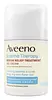
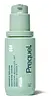
Aveeno Eczema Therapy Rescue Relief Treatment Gel Cream Versus Prequel Redness Reform Soothing Serum
This calming moisturizer is formulated around Colloidal Oatmeal and Avena Sativa Kernel Oil to calm redness and strengthen the skin barrier.
This calming serum is formulated around Avena Sativa Kernel Extract and Beta-Glucan to calm redness and strengthen the skin barrier.

What's inside
What's inside
 Key Ingredients
Benefits
Concerns
Ingredients Side-by-side
Colloidal Oatmeal 2%
Absorbent


Water
Skin ConditioningGlycerin
Humectant

Isopropyl Palmitate
Emollient




Butyrospermum Parkii Butter
Skin Conditioning
Isododecane
EmollientVegetable Oil
Skin Conditioning
Cetyl Alcohol
Emollient

Sodium Hydroxide
BufferingLactic Acid
Buffering







Sodium Polyacrylate
Absorbent
Caprylyl Glycol
Emollient
Avena Sativa Kernel Oil
Skin Conditioning
Cetearyl Olivate
Carbomer
Emulsion StabilisingCeramide AP
Skin Conditioning
1,2-Hexanediol
Skin Conditioning
Sorbitan Olivate
Emulsifying
Hydrogenated Vegetable Oil
Emollient
Euphorbia Cerifera Wax
Avena Sativa Kernel Extract
Abrasive

Tropolone
Skin ConditioningColloidal Oatmeal 2%, Water, Glycerin, Isopropyl Palmitate, Butyrospermum Parkii Butter, Isododecane, Vegetable Oil, Cetyl Alcohol, Sodium Hydroxide, Lactic Acid, Sodium Polyacrylate, Caprylyl Glycol, Avena Sativa Kernel Oil, Cetearyl Olivate, Carbomer, Ceramide AP, 1,2-Hexanediol, Sorbitan Olivate, Hydrogenated Vegetable Oil, Euphorbia Cerifera Wax, Avena Sativa Kernel Extract, Tropolone
Water
Skin ConditioningPropanediol
Solvent
Dimethicone
Emollient
Butylene Glycol
Humectant
Pentylene Glycol
Skin Conditioning
Glycerin
Humectant
Hydroxyacetophenone
Antioxidant
Linoleic Acid
Cleansing
Avena Sativa Kernel Extract
Abrasive
Beta-Glucan
Skin Conditioning
Magnesium Carboxymethyl Beta-Glucan
Skin ConditioningHydroxyphenyl Propamidobenzoic Acid
Skin ConditioningDipotassium Glycyrrhizate
Humectant
Arnica Montana Flower Extract
Masking
Piperonyl Glucoside
Skin ProtectingCarbomer
Emulsion StabilisingPolysilicone-11
Panthenol
Skin Conditioning
Bisabolol
Antioxidant
Aloe Barbadensis Leaf Juice
Skin Conditioning
Ammonium Acryloyldimethyltaurate/Vp Copolymer
Algin
Masking
Xanthan Gum
EmulsifyingOleic Acid
Emollient
Palmitic Acid
Emollient
Stearic Acid
Cleansing
Tocopherol
Antioxidant
1,2-Hexanediol
Skin Conditioning
Caprylyl Glycol
Emollient
Benzoic Acid
Masking
Sorbic Acid
Preservative
CI 77288
Cosmetic ColorantLinolenic Acid
Cleansing
Citric Acid
Buffering
Ascorbyl Palmitate
Antioxidant
Phenoxyethanol
Preservative
Glycolic Acid
Buffering
Galactoarabinan
Potassium Sorbate
Preservative
Sodium Benzoate
Masking
Sodium Hydroxide
BufferingWater, Propanediol, Dimethicone, Butylene Glycol, Pentylene Glycol, Glycerin, Hydroxyacetophenone, Linoleic Acid, Avena Sativa Kernel Extract, Beta-Glucan, Magnesium Carboxymethyl Beta-Glucan, Hydroxyphenyl Propamidobenzoic Acid, Dipotassium Glycyrrhizate, Arnica Montana Flower Extract, Piperonyl Glucoside, Carbomer, Polysilicone-11, Panthenol, Bisabolol, Aloe Barbadensis Leaf Juice, Ammonium Acryloyldimethyltaurate/Vp Copolymer, Algin, Xanthan Gum, Oleic Acid, Palmitic Acid, Stearic Acid, Tocopherol, 1,2-Hexanediol, Caprylyl Glycol, Benzoic Acid, Sorbic Acid, CI 77288, Linolenic Acid, Citric Acid, Ascorbyl Palmitate, Phenoxyethanol, Glycolic Acid, Galactoarabinan, Potassium Sorbate, Sodium Benzoate, Sodium Hydroxide
Reviews
Ingredients Explained
These ingredients are found in both products.
Ingredients higher up in an ingredient list are typically present in a larger amount.
1,2-Hexanediol is a synthetic liquid and another multi-functional powerhouse.
It is a:
- Humectant, drawing moisture into the skin
- Emollient, helping to soften skin
- Solvent, dispersing and stabilizing formulas
- Preservative booster, enhancing the antimicrobial activity of other preservatives
Avena Sativa Kernel Extract is is derived from colloidal oatmeal. Besides being a healthy breakfast, oats have many benefits in skincare too.
This ingredient helps sooth, hydrate, and protect the skin. The starches in colloidal oatmeal are able to bind water, keeping the skin hydrated.
The cellulose and fiber in colloidal oatmeal help reduce inflammation. This can also help the skin feel softer.
Colloidal Oatmeal is also an antioxidant. Antioxidants protect our skin from free-radical damage.
Oatmeal also contains beneficial compounds:
This ingredient is created by mixing grounded oatmeal and a liquid base.
Learn more about Avena Sativa Kernel ExtractCaprylyl Glycol is a humectant, skin conditioner, emollient, and preservative booster derived from either caprylic acid or synthetically created.
Typical use levels vary from 0.3-1% as a preservative booster and go up to 2% to condition skin.
Because it is not a free-fatty acid, this ingredient is fungal acne safe (there's nothing for Malassezia to feed on).
Learn more about Caprylyl GlycolCarbomer is a synthetic thickening and gelling agent. It's basically the ingredient that gives a lot of serums, gels, creams, and sunscreens their smooth, non-sticky texture.
Although legally permitted at very high levels, carbomers are normally used at concentrations below 1%.
It also needs to be neutralized to actually thicken, and because it is a large molecule, it doesn't really penetrate the skin barrier.
Allergy-wise, the risk is very low. Clinical studies show carbomers have low potential for skin irritation/sensitization even at concentrations up to 100%.
A 2024 UK study patch-tested 1,302 patients and found true allergy to the parent group of carbomer to be rare with no confirmed relevant reactions.
Learn more about CarbomerGlycerin (or glycerol) is a compound naturally found in your skin. It's a powerhouse humectant that pulls water into the stratum corneum.
Topically, glycerin does several things at once:
Your skin makes glycerin on its own (mostly from sebaceous oil breakdown) and shuttles it to your outermost layer of skin, or your epidermis, via aquaporin-3.
Aquaporin-3 is a transporter that is essential for normal skin hydration, elasticity, and repair. Interestingly, mice lacking in AQP3 have dry and less elastic skin that can be fully corrected with glycerin.
This ingredient is non-irritating, plays well with almost every ingredient, and works across all skin types. Typical use is anywhere between 3-10% but can go up to 79% in some leave-on products.
Just know very high concentrations (>40%) can feel tacky in low humidity.
Glycerin is the name for this ingredient in American English. British English uses Glycerol/Glycerine.
Learn more about GlycerinSodium Hydroxide is also known as lye or caustic soda. It is used to adjust the pH of products; many ingredients require a specific pH to be effective.
In small amounts, sodium hydroxide is considered safe to use. However, large amounts may cause chemical burns due to its high alkaline.
Your skin has a natural pH and acid mantle. This acid mantle helps prevent harmful bacteria from breaking through. The acid mantle also helps keep your skin hydrated.
"Alkaline" refers to a high pH level. A low pH level would be considered acidic.
Learn more about Sodium HydroxideWater. It's the most common cosmetic ingredient of all. You'll usually see it at the top of ingredient lists, meaning that it makes up the largest part of the product.
So why is it so popular? Water most often acts as a solvent - this means that it helps dissolve other ingredients into the formulation.
You'll also recognize water as that liquid we all need to stay alive. If you see this, drink a glass of water. Remember to stay hydrated!
Learn more about Water

