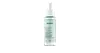
This hydrating serum is formulated around Simmondsia Chinensis Seed Oil and Sodium Hyaluronate to hydrate skin and strengthen the skin barrier.
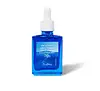
This hydrating serum is formulated around Niacinamide and Panthenol to hydrate skin and strengthen the skin barrier.


What's inside
What's inside
 Key Ingredients
Benefits
Concerns
Ingredients Side-by-side
Water
Skin ConditioningSimmondsia Chinensis Seed Oil
Emollient





Glycerin
Humectant
Propanediol
Solvent
Dicaprylyl Carbonate
EmollientPolyglyceryl-3 Methylglucose Distearate
Emulsifying
Opuntia Tuna Fruit Extract
Skin ConditioningSodium Hyaluronate
Humectant


Algae Extract
EmollientSalicornia Herbacea Extract
Skin ConditioningChlorella Vulgaris Extract
Skin ConditioningLaminaria Saccharina Extract
Skin ProtectingCaffeine
Skin Conditioning
Caprylic/Capric Triglyceride
Masking
Sclerotium Gum
Emulsion StabilisingMaris Sal
Skin ConditioningTrehalose
Humectant
Tetrahexyldecyl Ascorbate
Antioxidant




Hydrolyzed Algin
Glycine Soja Oil
Emollient



Pullulan
Hydroxyacetophenone
Antioxidant
Citric Acid
Buffering
Xanthan Gum
EmulsifyingHydrogenated Lecithin
Emulsifying
Lecithin
Emollient
Tocopherol
Antioxidant
Silica
Abrasive

Parfum
Masking


Limonene
Perfuming
Geraniol
Perfuming
Citronellol
Perfuming
Linalool
Perfuming
Hydroxycitronellal
Perfuming
Sodium Phytate
Phenoxyethanol
Preservative
CI 77289
Cosmetic ColorantWater, Simmondsia Chinensis Seed Oil, Glycerin, Propanediol, Dicaprylyl Carbonate, Polyglyceryl-3 Methylglucose Distearate, Opuntia Tuna Fruit Extract, Sodium Hyaluronate, Algae Extract, Salicornia Herbacea Extract, Chlorella Vulgaris Extract, Laminaria Saccharina Extract, Caffeine, Caprylic/Capric Triglyceride, Sclerotium Gum, Maris Sal, Trehalose, Tetrahexyldecyl Ascorbate, Hydrolyzed Algin, Glycine Soja Oil, Pullulan, Hydroxyacetophenone, Citric Acid, Xanthan Gum, Hydrogenated Lecithin, Lecithin, Tocopherol, Silica, Parfum, Limonene, Geraniol, Citronellol, Linalool, Hydroxycitronellal, Sodium Phytate, Phenoxyethanol, CI 77289
Bambusa Vulgaris Water
Skin Conditioning1,2-Hexanediol
Skin Conditioning
Water
Skin ConditioningGlycerin
Humectant
Ethylhexylglycerin
Skin ConditioningNiacinamide
Smoothing

Raffinose
Skin ConditioningPanthenol
Skin Conditioning
Propanediol
Solvent
Xanthan Gum
EmulsifyingLactococcus Ferment Lysate
Skin Conditioning
Fructooligosaccharides
Humectant
Centella Asiatica Extract
Cleansing
Cyperus Rotundus Root Extract
Skin ConditioningSodium Chloride
MaskingSodium Hyaluronate
Humectant
Adenosine
Skin Conditioning
Tromethamine
BufferingCarbomer
Emulsion StabilisingDisodium EDTA
Sodium DNA
Skin Conditioning
Agave Tequilana Leaf Extract
AstringentMaltodextrin
Absorbent
Hydrolyzed Gardenia Florida Extract
Antioxidant
Hizikia Fusiforme Extract
Skin ConditioningSargassum Fulvellum Extract
Skin ConditioningLaminaria Japonica Extract
Skin Protecting
Butylene Glycol
Humectant
Caulerpa Lentillifera Extract
Guaiazulene
Antimicrobial
Sodium Hyaluronate Crosspolymer
Humectant
Dimethyl Isosorbide
SolventOleyl Alcohol
Emollient
Hydrolyzed Hyaluronic Acid
Humectant
Bambusa Vulgaris Water, 1,2-Hexanediol, Water, Glycerin, Ethylhexylglycerin, Niacinamide, Raffinose, Panthenol, Propanediol, Xanthan Gum, Lactococcus Ferment Lysate, Fructooligosaccharides, Centella Asiatica Extract, Cyperus Rotundus Root Extract, Sodium Chloride, Sodium Hyaluronate, Adenosine, Tromethamine, Carbomer, Disodium EDTA, Sodium DNA, Agave Tequilana Leaf Extract, Maltodextrin, Hydrolyzed Gardenia Florida Extract, Hizikia Fusiforme Extract, Sargassum Fulvellum Extract, Laminaria Japonica Extract, Butylene Glycol, Caulerpa Lentillifera Extract, Guaiazulene, Sodium Hyaluronate Crosspolymer, Dimethyl Isosorbide, Oleyl Alcohol, Hydrolyzed Hyaluronic Acid
Reviews
Ingredients Explained
These ingredients are found in both products.
Ingredients higher up in an ingredient list are typically present in a larger amount.
Glycerin (or glycerol) is a compound naturally found in your skin. It's a powerhouse humectant that pulls water into the stratum corneum.
Topically, glycerin does several things at once:
Your skin makes glycerin on its own (mostly from sebaceous oil breakdown) and shuttles it to your outermost layer of skin, or your epidermis, via aquaporin-3.
Aquaporin-3 is a transporter that is essential for normal skin hydration, elasticity, and repair. Interestingly, mice lacking in AQP3 have dry and less elastic skin that can be fully corrected with glycerin.
This ingredient is non-irritating, plays well with almost every ingredient, and works across all skin types. Typical use is anywhere between 3-10% but can go up to 79% in some leave-on products.
Just know very high concentrations (>40%) can feel tacky in low humidity.
Glycerin is the name for this ingredient in American English. British English uses Glycerol/Glycerine.
Learn more about GlycerinPropanediol is an all-star ingredient. It softens, hydrates, and smooths the skin.
It’s often used to:
Propanediol is not likely to cause sensitivity and considered safe to use. It is derived from corn or petroleum with a clear color and no scent.
Learn more about PropanediolSodium Hyaluronate is the salt form of hyaluronic acid. It is a long sugar chain that is naturally found in your skin, joints, and connective tissue that maintains hydration and elasticity.
In skincare, it works as a humectant. It pulls water from the environment and deeper layers of skin and binds it to the surface.
Interestingly, the size of the molecule affects its behavior:
Some clinical evidence links low molecular weight versions to improved wrinkle depth, elasticity, anti-inflammatory effects, and barrier repair.
Many serums use a blend of both weights so you can get surface hydration plus longer-lasting and deeper effects.
You'll typically see concentrations between 0.1-2% for this ingredient.
Learn more about Sodium HyaluronateWater. It's the most common cosmetic ingredient of all. You'll usually see it at the top of ingredient lists, meaning that it makes up the largest part of the product.
So why is it so popular? Water most often acts as a solvent - this means that it helps dissolve other ingredients into the formulation.
You'll also recognize water as that liquid we all need to stay alive. If you see this, drink a glass of water. Remember to stay hydrated!
Learn more about WaterXanthan gum is used as a stabilizer and thickener within cosmetic products. It helps give products a sticky, thick feeling - preventing them from being too runny.
On the technical side of things, xanthan gum is a polysaccharide - a combination consisting of multiple sugar molecules bonded together.
Xanthan gum is a pretty common and great ingredient. It is a natural, non-toxic, non-irritating ingredient that is also commonly used in food products.
Learn more about Xanthan Gum

