
What's inside
What's inside
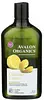 Key Ingredients
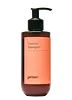
Benefits
Concerns
Ingredients Side-by-side
Aloe Barbadensis Leaf Juice
Skin Conditioning


Water
Skin ConditioningSodium Coco-Sulfate
Cleansing

Sodium Laurylglucosides Hydroxypropylsulfonate
CleansingDecyl Glucoside
Cleansing
Cedrus Atlantica Bark Oil
Masking




Citrus Aurantifolia Oil
Cleansing
Citrus Aurantium Dulcis Peel Oil
Masking
Citrus Grandis Peel Oil
Masking

Citrus Limon Peel Oil
Masking
Litsea Cubeba Fruit Oil
Masking
Calendula Officinalis Flower Extract
Masking
Chamomilla Recutita Flower Extract
Masking
Chenopodium Quinoa Seed
Abrasive
Citrus Limon Peel Extract
EmollientStyrax Benzoin Resin Extract
Masking
Tocopheryl Acetate
Antioxidant


Babassu Oil Polyglyceryl-4 Esters
Surfactant

Bisabolol
Antioxidant
Citric Acid
Buffering
Coco-Glucoside
Cleansing
Glyceryl Oleate
Emollient
Inulin
Skin Conditioning
Sodium Chloride
MaskingSodium Phytate
Sodium Sulfate
Alcohol
Antimicrobial
Benzyl Alcohol
Perfuming
Potassium Sorbate
Preservative
Sodium Benzoate
Masking
Citral
Perfuming
Limonene
Perfuming
Aloe Barbadensis Leaf Juice, Water, Sodium Coco-Sulfate, Sodium Laurylglucosides Hydroxypropylsulfonate, Decyl Glucoside, Cedrus Atlantica Bark Oil, Citrus Aurantifolia Oil, Citrus Aurantium Dulcis Peel Oil, Citrus Grandis Peel Oil, Citrus Limon Peel Oil, Litsea Cubeba Fruit Oil, Calendula Officinalis Flower Extract, Chamomilla Recutita Flower Extract, Chenopodium Quinoa Seed, Citrus Limon Peel Extract, Styrax Benzoin Resin Extract, Tocopheryl Acetate, Babassu Oil Polyglyceryl-4 Esters, Bisabolol, Citric Acid, Coco-Glucoside, Glyceryl Oleate, Inulin, Sodium Chloride, Sodium Phytate, Sodium Sulfate, Alcohol, Benzyl Alcohol, Potassium Sorbate, Sodium Benzoate, Citral, Limonene
Water
Skin ConditioningSodium Lauroyl Methyl Isethionate
CleansingGlycerin
Humectant
Cocamidopropyl Betaine
Cleansing
Decyl Glucoside
Cleansing
Caprylyl/Capryl Glucoside
CleansingSodium Lauroyl Sarcosinate
CleansingSodium Methyl Oleoyl Taurate
CleansingSodium Cocoyl Isethionate
Cleansing
Acrylates/Beheneth-25 Methacrylate Copolymer
Propanediol Dicaprylate
EmollientCaprylyl Glycol
Emollient
1,2-Hexanediol
Skin Conditioning
Sodium Benzoate
Masking
Guar Hydroxypropyltrimonium Chloride
Skin ConditioningPotassium Sorbate
Preservative
Lactobacillus/Rice Ferment Filtrate
Skin ConditioningCitric Acid
Buffering
Trisodium Ethylenediamine Disuccinate
Propylene Glycol
Humectant
Sodium Laurate
CleansingSodium Chloride
MaskingPPG-3 Caprylyl Ether
SolventJasminum Officinale Flower Water
MaskingCaprylic/Capric Triglyceride
Masking
Tocopherol
Antioxidant

Avena Sativa Kernel Oil
Skin Conditioning
Helianthus Annuus Seed Oil
Emollient
Pyridoxine
Skin ConditioningPanthenol
Skin Conditioning
Phospholipids
Skin Conditioning
Dipotassium Glycyrrhizate
Humectant
Polyquaternium-10
Pentylene Glycol
Skin Conditioning
Dipropylene Glycol
HumectantHydrolyzed Quinoa
Skin ConditioningSpirulina Platensis Extract
Skin ProtectingHydrolyzed Pea Protein
EmollientYucca Schidigera Stem Extract
Cleansing
Hyaluronic Acid
Humectant
Arginine
Masking
Acacia Seyal Gum Extract
HumectantPantolactone
Humectant
Cocamidopropyl Pg-Dimonium Chloride
Vitis Vinifera Seed Extract
Antimicrobial
Water, Sodium Lauroyl Methyl Isethionate, Glycerin, Cocamidopropyl Betaine, Decyl Glucoside, Caprylyl/Capryl Glucoside, Sodium Lauroyl Sarcosinate, Sodium Methyl Oleoyl Taurate, Sodium Cocoyl Isethionate, Acrylates/Beheneth-25 Methacrylate Copolymer, Propanediol Dicaprylate, Caprylyl Glycol, 1,2-Hexanediol, Sodium Benzoate, Guar Hydroxypropyltrimonium Chloride, Potassium Sorbate, Lactobacillus/Rice Ferment Filtrate, Citric Acid, Trisodium Ethylenediamine Disuccinate, Propylene Glycol, Sodium Laurate, Sodium Chloride, PPG-3 Caprylyl Ether, Jasminum Officinale Flower Water, Caprylic/Capric Triglyceride, Tocopherol, Avena Sativa Kernel Oil, Helianthus Annuus Seed Oil, Pyridoxine, Panthenol, Phospholipids, Dipotassium Glycyrrhizate, Polyquaternium-10, Pentylene Glycol, Dipropylene Glycol, Hydrolyzed Quinoa, Spirulina Platensis Extract, Hydrolyzed Pea Protein, Yucca Schidigera Stem Extract, Hyaluronic Acid, Arginine, Acacia Seyal Gum Extract, Pantolactone, Cocamidopropyl Pg-Dimonium Chloride, Vitis Vinifera Seed Extract
Reviews
Ingredients Explained
These ingredients are found in both products.
Ingredients higher up in an ingredient list are typically present in a larger amount.
Citric Acid is an alpha hydroxy acid (AHA) naturally found in citrus fruits like oranges, lemons, and limes.
Like other AHAs, citric acid can exfoliate skin by breaking down the bonds that hold dead skin cells together. This helps reveal smoother and brighter skin underneath.
However, this exfoliating effect only happens at high concentrations (20%) which can be hard to find in cosmetic products.
Due to this, citric acid is usually included in small amounts as a pH adjuster. This helps keep products slightly more acidic and compatible with skin's natural pH.
In skincare formulas, citric acid can:
While it can provide some skin benefits, research shows lactic acid and glycolic acid are generally more effective and less irritating exfoliants.
Most citric acid used in skincare today is made by fermenting sugars (usually from molasses). This synthetic version is identical to the natural citrus form but easier to stabilize and use in formulations.
Read more about some other popular AHA's here:
Learn more about Citric AcidDecyl Glucoside is a plant-derived surfactant and emulsion stabilizer. It is created by reacting glucose with the fatty acids from plants.
Like all surfactants, it works by lowering the surface tension between water and oil. This makes it so that dirt, sebum, and makeup can be lifted off your skin and rinsed away. It also produces a dense and creamy foam.
Because it has a neutral charge, it is compatible with a wide range of ingredients and stays stable across a broad pH range/water hardiness conditions.
Patch testing has shown it to have the lowest irritation potential among common cleansing surfactants (like SLS).
Typical use levels range from 5-20% in rinse-off cleansers.
One thing worth knowing: The American Contact Dermatitis Society named the parent family, alkyl glucosides, "Allergen of the Year" in 2017. The prevalence of allergy is pretty low but be sure to patch test if you've reacted to "gentle" or sulfate-free cleansers before.
This ingredient is fungal acne safe because the fatty alcohol portion of this ingredient is not within the C11-24 chain length that Malassezia can metabolize.
Learn more about Decyl GlucosidePotassium Sorbate is a preservative used to prevent yeast and mold in products. It is commonly found in both cosmetic and food products.
This ingredient comes from potassium salt derived from sorbic acid. Sorbic acid is a natural antibiotic and effective against fungus.
Both potassium sorbate and sorbic acid can be found in baked goods, cheeses, dried meats, dried fruit, ice cream, pickles, wine, yogurt, and more.
You'll often find this ingredient used with other preservatives.
Learn more about Potassium SorbateSodium Benzoate is a preservative. It's used in both cosmetic and food products to inhibit the growth of mold and bacteria. It is typically produced synthetically.
Both the US FDA and EU Health Committee have approved the use of sodium benzoate. In the US, levels of 0.1% (of the total product) are allowed.
Sodium benzoate works as a preservative by inhibiting the growth of bacteria inside of cells. It prevents the cell from fermenting a type of sugar using an enzyme called phosphofructokinase.
It is the salt of benzoic acid. Foods containing sodium benzoate include soda, salad dressings, condiments, fruit juices, wines, and snack foods.
Studies for using ascorbic acid and sodium benzoate in cosmetics are lacking, especially in skincare routines with multiple steps.
We always recommend speaking with a professional, such as a dermatologist, if you have any concerns.
Learn more about Sodium BenzoateChances are, you eat sodium chloride every day. Sodium Chloride is also known as table salt. This ingredient has many purposes in skincare: thickener, emulsifier, and exfoliator.
You'll most likely find this ingredient in cleansers where it is used to create a gel-like texture. As an emulsifier, it also prevents ingredients from separating.
You might see people debate whether Sodium Chloride is comedogenic, but there actually haven't been any comedogenic tests done on it. Either way, the overall formulation of a product matters a lot more than any single ingredient.
You might see this ingredient used in scrubs as a primary exfoliating ingredient.
Learn more about Sodium ChlorideWater. It's the most common cosmetic ingredient of all. You'll usually see it at the top of ingredient lists, meaning that it makes up the largest part of the product.
So why is it so popular? Water most often acts as a solvent - this means that it helps dissolve other ingredients into the formulation.
You'll also recognize water as that liquid we all need to stay alive. If you see this, drink a glass of water. Remember to stay hydrated!
Learn more about Water

