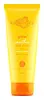
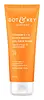
Aqualogica Glow+ Smoothie Face Wash With Papaya & Vitamin C Versus Dot & Key Skincare Vitamin C + E Super Bright Gel Face Wash
This mild gel cleanser is mild enough to cleanse without leaving skin feeling tight or stripped.
This gel cleanser uses mild cleansing ingredients, but contains alcohol that may feel drying for some.

What's inside
What's inside
 Key Ingredients
Benefits
Concerns
Ingredients Side-by-side
Water
Skin ConditioningSodium Lauroyl Sarcosinate
CleansingPolyacrylate-33
Disodium Cocoamphodiacetate
CleansingCocamidopropyl Betaine
Cleansing



Glycerin
Humectant


Sodium PCA
Humectant
Sodium Hyaluronate
Humectant


Betaine
Humectant
Coco-Glucoside
Cleansing
Glyceryl Oleate
Emollient


Guar Hydroxypropyltrimonium Chloride
Skin ConditioningPhenoxyethanol
Preservative
Ethylhexylglycerin
Skin ConditioningParfum
Masking
Sodium Hydroxide
BufferingHydrogenated Castor Oil
Emollient
Carica Papaya Fruit Extract
Skin ConditioningSodium Benzoate
Masking
Aloe Barbadensis Leaf Extract
Emollient
Panthenol
Skin Conditioning
Sodium Ascorbyl Phosphate
Antioxidant




CI 15985
Cosmetic ColorantCI 19140
Cosmetic ColorantWater, Sodium Lauroyl Sarcosinate, Polyacrylate-33, Disodium Cocoamphodiacetate, Cocamidopropyl Betaine, Glycerin, Sodium PCA, Sodium Hyaluronate, Betaine, Coco-Glucoside, Glyceryl Oleate, Guar Hydroxypropyltrimonium Chloride, Phenoxyethanol, Ethylhexylglycerin, Parfum, Sodium Hydroxide, Hydrogenated Castor Oil, Carica Papaya Fruit Extract, Sodium Benzoate, Aloe Barbadensis Leaf Extract, Panthenol, Sodium Ascorbyl Phosphate, CI 15985, CI 19140
Water
Skin ConditioningCocamidopropyl Betaine
Cleansing
Decyl Glucoside
Cleansing
Glycerin
Humectant
Disodium Cocoyl Glutamate
Cleansing
Triethanolamine
BufferingAcrylates/C10-30 Alkyl Acrylate Crosspolymer
Emulsion StabilisingXanthan Gum
EmulsifyingPEG-40 Hydrogenated Castor Oil
Emulsifying
Niacinamide
Smoothing



Citric Acid
Buffering
Disodium EDTA
ChelatingMenthol
Masking

Sodium Ascorbyl Phosphate
Antioxidant
Mentha Piperita Oil
Masking
Panthenol
Skin Conditioning
Terminalia Ferdinandiana Fruit Extract
Antioxidant
Citrus Sinensis Fruit Extract
Antioxidant
Tocopheryl Acetate
Antioxidant
Benzyl Alcohol
Perfuming
Ethylhexylglycerin
Skin ConditioningTocopherol
Antioxidant
Parfum
Masking
CI 15985
Cosmetic ColorantCI 19140
Cosmetic ColorantWater, Cocamidopropyl Betaine, Decyl Glucoside, Glycerin, Disodium Cocoyl Glutamate, Triethanolamine, Acrylates/C10-30 Alkyl Acrylate Crosspolymer, Xanthan Gum, PEG-40 Hydrogenated Castor Oil, Niacinamide, Citric Acid, Disodium EDTA, Menthol, Sodium Ascorbyl Phosphate, Mentha Piperita Oil, Panthenol, Terminalia Ferdinandiana Fruit Extract, Citrus Sinensis Fruit Extract, Tocopheryl Acetate, Benzyl Alcohol, Ethylhexylglycerin, Tocopherol, Parfum, CI 15985, CI 19140
Ingredients Explained
These ingredients are found in both products.
Ingredients higher up in an ingredient list are typically present in a larger amount.
Ci 15985 is a dye made from petroleum. It is synthetically created and approved by the FDA for use in foods and cosmetics.
The color of this dye is orange/yellow.
This ingredient can be found in makeup, sun care, and skincare.
Learn more about CI 15985CI 19140 is also known as Tartrazine. Tartrazine is a synthetic dye used in cosmetics, foods, and medicine to add a yellow color.
Tartrazine is created from petroleum and is water-soluble.
Some people may experience allergies from this dye, especially asthmatics and those with an aspirin intolerance.
Learn more about CI 19140Cocamidopropyl Betaine is a fatty acid created by mixing similar compounds in coconut oil and dimethylaminopropylamine, a compound with two amino groups.
This ingredient is a surfactant and cleanser. It helps gather the dirt, pollutants, and other impurities in your skin to be washed away. It also helps thicken a product and make the texture more creamy.
Being created from coconut oil means Cocamidopropyl Betaine is hydrating for the skin.
While Cocamidopropyl Betaine was believed to be an allergen, a study from 2012 disproved this. It found two compounds in unpure Cocamidopropyl Betaine to be the irritants: aminoamide and 3-dimethylaminopropylamine. High-grade and pure Cocamidopropyl Betaine did not induce allergic reactions during this study.
Learn more about Cocamidopropyl BetaineEthylhexylglycerin is created from glycerin. It is a multitasker ingredient that:
The CIR Expert Panel found minimal skin absorption or sensitization of any kind in a safety assessment. Though this ingredient is considered well-tolerated, a small number of cases of allergic dermatitis have been published since 2002. Just be sure to patch test if you are unsure.
Industry-reported use ranges from 8% in rinse-off products and 2% in leave-on formulations.
Learn more about EthylhexylglycerinGlycerin (or glycerol) is a compound naturally found in your skin. It's a powerhouse humectant that pulls water into the stratum corneum.
Topically, glycerin does several things at once:
Your skin makes glycerin on its own (mostly from sebaceous oil breakdown) and shuttles it to your outermost layer of skin, or your epidermis, via aquaporin-3.
Aquaporin-3 is a transporter that is essential for normal skin hydration, elasticity, and repair. Interestingly, mice lacking in AQP3 have dry and less elastic skin that can be fully corrected with glycerin.
This ingredient is non-irritating, plays well with almost every ingredient, and works across all skin types. Typical use is anywhere between 3-10% but can go up to 79% in some leave-on products.
Just know very high concentrations (>40%) can feel tacky in low humidity.
Glycerin is the name for this ingredient in American English. British English uses Glycerol/Glycerine.
Learn more about GlycerinPanthenol is a common ingredient that helps hydrate and soothe the skin. It is found naturally in our skin and hair.
There are two forms of panthenol: D and L.
D-panthenol is also known as dexpanthenol. Most cosmetics use dexpanthenol or a mixture of D and L-panthenol.
Panthenol is famous due to its ability to go deeper into the skin's layers. Using this ingredient has numerous pros (and no cons):
Like hyaluronic acid, panthenol is a humectant. Humectants are able to bind and hold large amounts of water to keep skin hydrated.
This ingredient works well for wound healing. It works by increasing tissue in the wound and helps close open wounds.
Once oxidized, panthenol converts to pantothenic acid. Panthothenic acid is found in all living cells.
This ingredient is also referred to as pro-vitamin B5.
Learn more about PanthenolParfum is a catch-all term for an ingredient or more that is used to give a scent to products.
Also called "fragrance", this ingredient can be a blend of hundreds of chemicals or plant oils. This means every product with "fragrance" or "parfum" in the ingredients list is a different mixture.
For instance, Habanolide is a proprietary trade name for a specific aroma chemical. When used as a fragrance ingredient in cosmetics, most aroma chemicals fall under the broad labeling category of “FRAGRANCE” or “PARFUM” according to EU and US regulations.
The term 'parfum' or 'fragrance' is not regulated in many countries. In many cases, it is up to the brand to define this term.
For instance, many brands choose to label themselves as "fragrance-free" because they are not using synthetic fragrances. However, their products may still contain ingredients such as essential oils that are considered a fragrance by INCI standards.
One example is Calendula flower extract. Calendula is an essential oil that still imparts a scent or 'fragrance'.
Depending on the blend, the ingredients in the mixture can cause allergies and sensitivities on the skin. Some ingredients that are known EU allergens include linalool and citronellol.
Parfum can also be used to mask or cover an unpleasant scent.
The bottom line is: not all fragrances/parfum/ingredients are created equally. If you are worried about fragrances, we recommend taking a closer look at an ingredient. And of course, we always recommend speaking with a professional.
Learn more about ParfumSodium Ascorbyl Phosphate (SAP) is a water-soluble form of Vitamin C. It is the salt of ascorbic acid.
This ingredient is commonly used in skincare because it's more formulation-stable while still offering the same benefits as pure ascorbic acid. Ascorbic acid is notorious for breaking down when exposed to sunlight and oxygen whereas SAP has been shown to be more stable.
Studies show SAP has anti-acne and antioxidant benefits. One study found 5% of SAP lotion to be an effective ingredient for treating acne vulgaris. This is because research shows that SAP may help control acne by reducing acne-causing bacteria and slowing the oxidation of skin oils caused by UV exposure.
In addition to acne, vitamin C is important for skin structure. Lab studies suggest SAP may support collagen production in skin cells, making it a great ingredient in anti-aging routines.
Vitamin C has many benefits: it helps reduce redness, improve skin texture, fade the appearance of dark spots, and brighten the skin.
Read more about other types of Vitamin C:
Learn more about Sodium Ascorbyl PhosphateWater. It's the most common cosmetic ingredient of all. You'll usually see it at the top of ingredient lists, meaning that it makes up the largest part of the product.
So why is it so popular? Water most often acts as a solvent - this means that it helps dissolve other ingredients into the formulation.
You'll also recognize water as that liquid we all need to stay alive. If you see this, drink a glass of water. Remember to stay hydrated!
Learn more about Water

